
If you have ever turned over a toothpaste tube and wondered why the ingredient list looks like a chemistry assignment, you are not alone.
Recent Reddit discussions show that more people are questioning what goes into their toothpaste. Is fluoride necessary? Does nano-hydroxyapatite really strengthen enamel? Is SLS responsible for that uncomfortable burning sensation? Could whitening toothpaste be making sensitivity worse?
These are fair questions. Choosing toothpaste should not require decoding viral claims, fear-based ingredient lists or conflicting advice. Here is what the most talked-about toothpaste ingredients actually do—and what matters when building a routine that works for your teeth.
Why Are People Suddenly Questioning Toothpaste?
Today’s shoppers are more ingredient-conscious across every part of their routine, from skincare to oral care. People want to know what a product contains, why it is included and whether it suits their individual needs.
On Reddit, the conversation often centers on several recurring concerns:
- Fluoride versus fluoride-free toothpaste
- Nano-hydroxyapatite for enamel support
- SLS and mouth irritation
- Abrasive whitening ingredients
- Strong mint flavors and burning sensations
- Whether “natural” automatically means safer
The truth is that no single toothpaste is perfect for everyone. Your cavity risk, sensitivity level, dental history and personal preferences should all influence your choice.
Fluoride: The Established Cavity-Fighting Ingredient
Fluoride has been used in toothpaste for decades because it helps strengthen enamel and protect teeth against acid-related damage. According to the American Dental Association, toothpaste must contain fluoride to qualify for the ADA Seal of Acceptance for cavity-protection claims.
This does not mean every person must use the exact same toothpaste. However, people with frequent cavities, exposed roots, braces, dry mouth or other risk factors should speak with a dental professional before replacing fluoride toothpaste.
For many users, fluoride remains a reliable and well-established choice. For others, sensitivity, ingredient preferences or sensory concerns may lead them to explore an alternative.
Nano-Hydroxyapatite: The Ingredient Everyone Is Talking About
Nano-hydroxyapatite, commonly shortened to nHA, is a laboratory-made form of hydroxyapatite—the mineral that makes up most of our tooth enamel.
When used in oral-care products, nHA is intended to deposit minerals onto the tooth surface and help smooth microscopic irregularities in enamel. Research into its remineralizing potential is promising, although the evidence base is still developing compared with the decades of research available for fluoride.
A 2026 systematic review and meta-analysis found encouraging remineralization results for nano-hydroxyapatite and other non-fluoridated agents. However, this does not mean nHA should be described as a universal replacement for fluoride, particularly for people at high risk of cavities.
Instead, think of nHA as an increasingly popular option for people looking for:
- A fluoride-free daily toothpaste
- Gentle support for sensitive teeth
- A smoother-feeling enamel surface
- An alternative to aggressive whitening toothpaste
- A formula designed around ingredient-conscious preferences
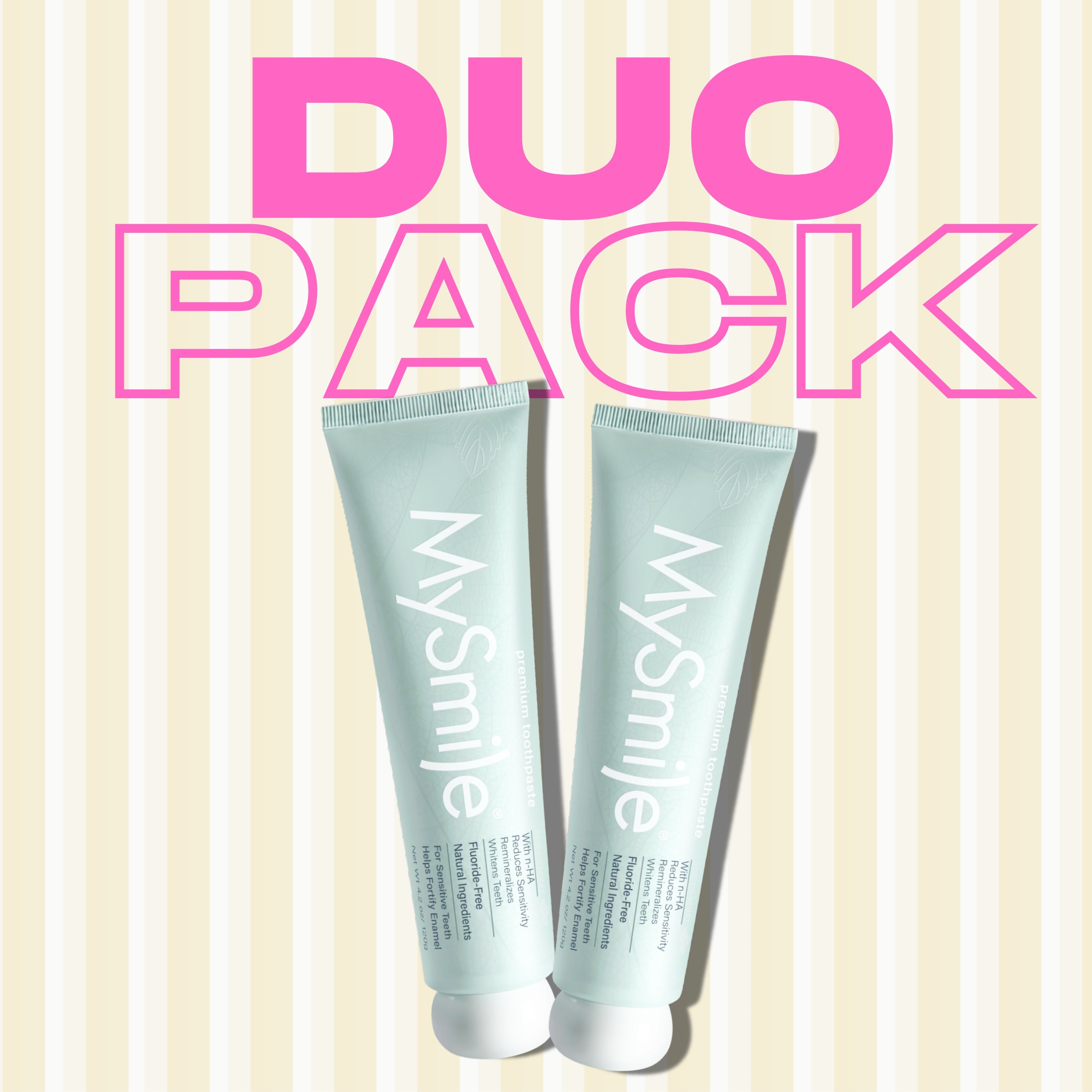
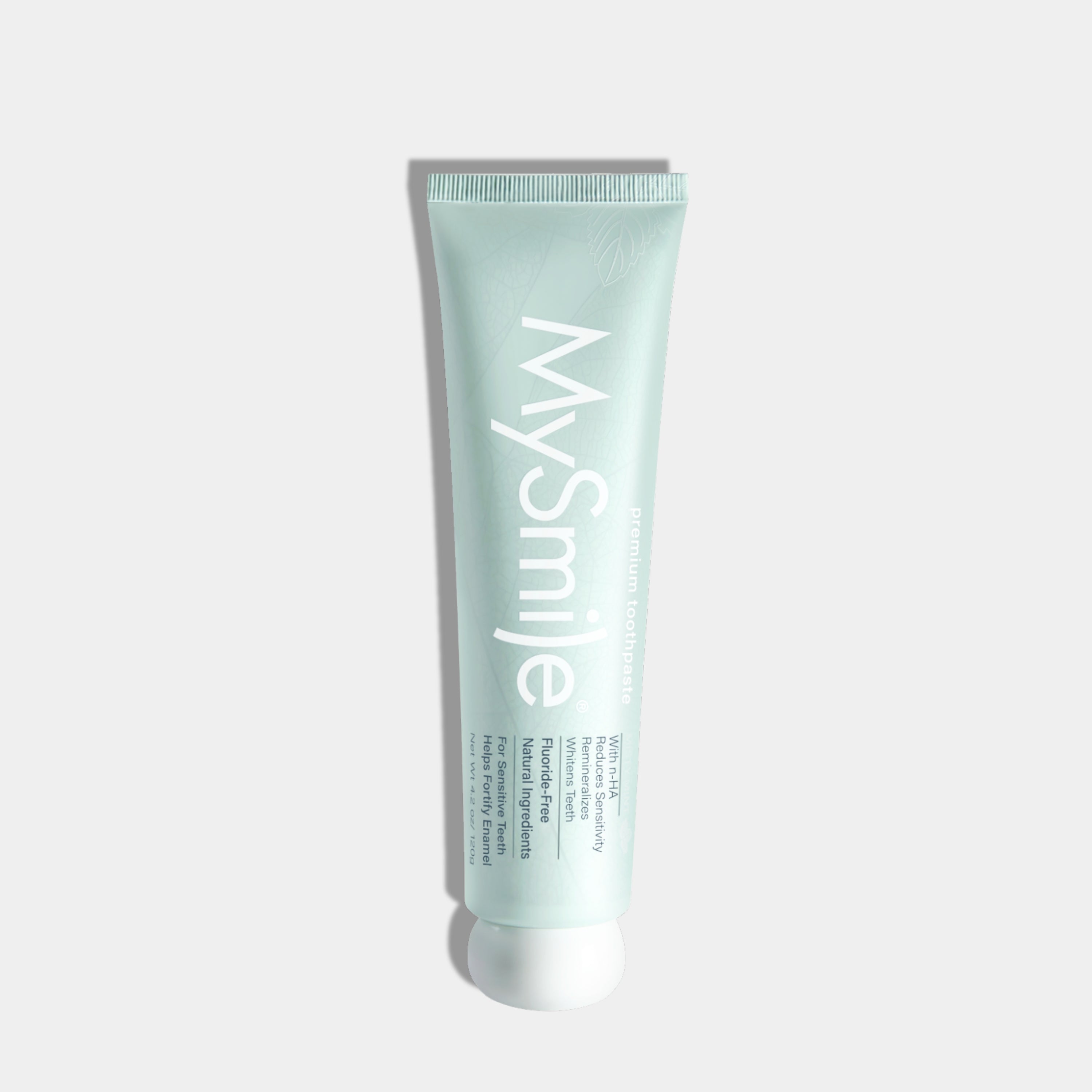
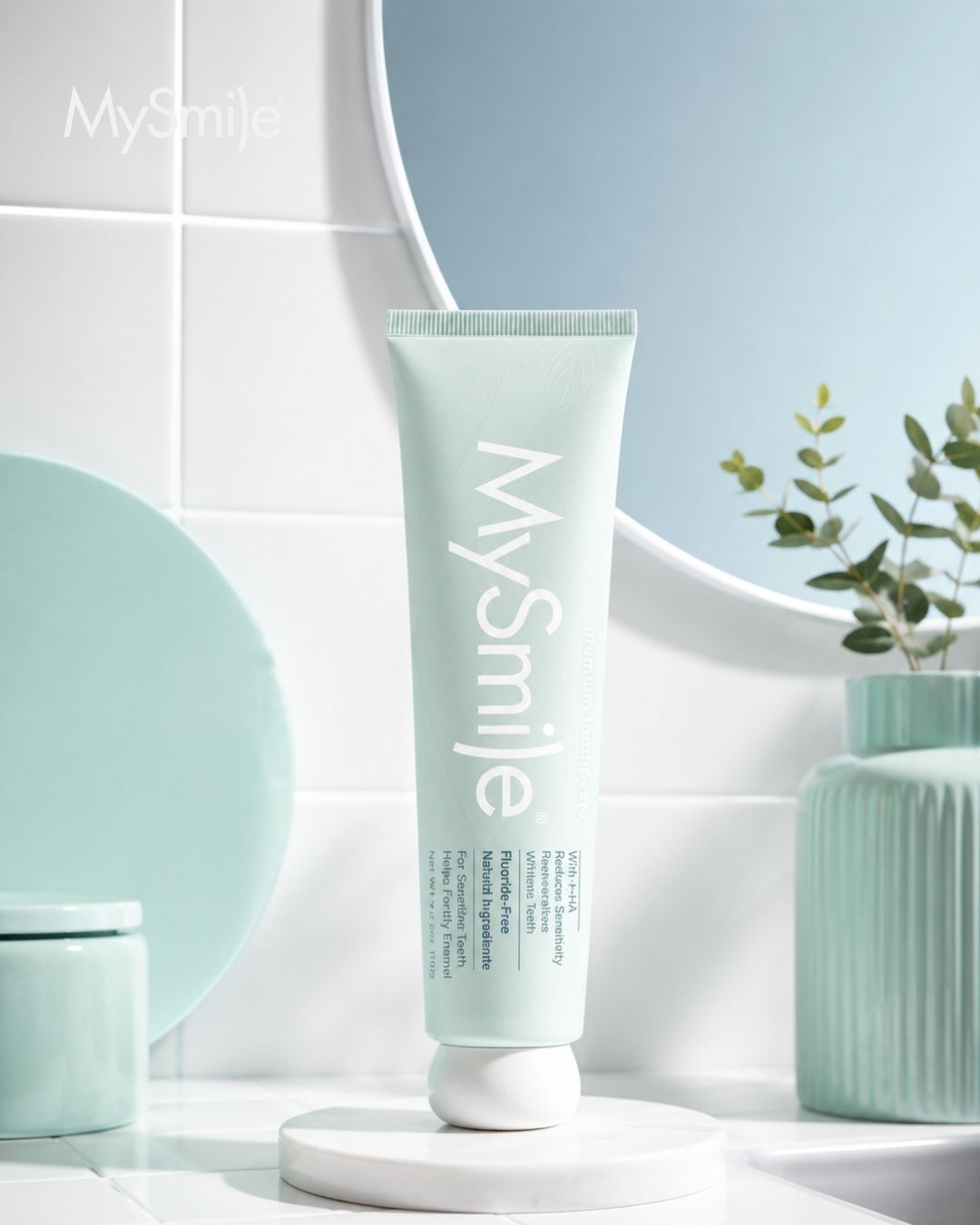
The MySmile Nano-Hydroxyapatite Toothpaste combines nHA with a fluoride-free, SLS-free formula and a gentle mint flavor. It is designed for everyday cleaning without the intense burn associated with some traditional toothpastes.
What Is SLS—and Why Do Some People Avoid It?
Sodium lauryl sulfate, or SLS, is a detergent that helps toothpaste foam and spread around the mouth. That foam may feel satisfying, but it does not necessarily mean the toothpaste is cleaning more effectively.
Most people can use SLS without a problem. However, some users find that it contributes to dryness, irritation or discomfort—especially people who are prone to mouth sores or have a sensitive oral environment.
The ADA notes that SLS and certain flavoring agents may act as contact irritants for some individuals. If brushing regularly leaves your mouth feeling raw, dry or unusually irritated, trying an SLS-free toothpaste may be worth discussing with your dentist.
A lower-foam formula can feel different at first, but it can still clean effectively when paired with proper brushing technique.
Is Whitening Toothpaste Too Abrasive?
This was another major concern raised in Reddit’s oral-care discussions.
Many whitening toothpastes work by polishing away surface stains from coffee, tea, wine and other foods. They do not necessarily change the natural internal color of the tooth. Depending on the formula, they may contain abrasives such as hydrated silica, calcium carbonate or baking soda.
That does not make every whitening toothpaste unsafe. Toothpaste abrasivity is measured using Relative Dentin Abrasivity, or RDA. The ADA considers toothpastes with an RDA of 250 or lower safe and effective when used correctly.
However, brushing pressure matters too. Even a properly formulated toothpaste can feel uncomfortable if it is combined with aggressive brushing, a hard-bristled brush or repeated scrubbing along the gumline.
If whitening toothpaste causes sensitivity, consider switching to a gentler daily formula and separating your cleaning routine from your whitening routine. Your everyday toothpaste should prioritize consistent cleaning and comfort—not make every brushing session feel like an intense stain-removal treatment.
Does “Natural” Automatically Mean Better?
Not necessarily.
“Natural” is often used as a marketing term, but it does not automatically tell you whether a formula is effective, gentle or appropriate for your needs. Naturally derived flavoring oils, for example, can still irritate some people.
Instead of judging a toothpaste by one label, look at the complete formula:
- Does it contain an ingredient intended to support enamel?
- Is it appropriate for your cavity-risk level?
- Does it cause irritation or sensitivity?
- Can you comfortably use it twice a day?
- Does the brand clearly explain what its ingredients do?
- Are its claims realistic and supported?
Consistency is a huge part of oral care. A trendy toothpaste does not help much if its flavor, texture or burning sensation makes you avoid brushing.
Don’t Forget the Toothbrush
Choosing toothpaste is only one part of the routine. Brushing technique, pressure and consistency also matter.
Use a soft-bristled toothbrush and brush for two minutes twice a day. Guide the brush gently along the teeth and gumline instead of pressing harder to make your teeth feel cleaner.
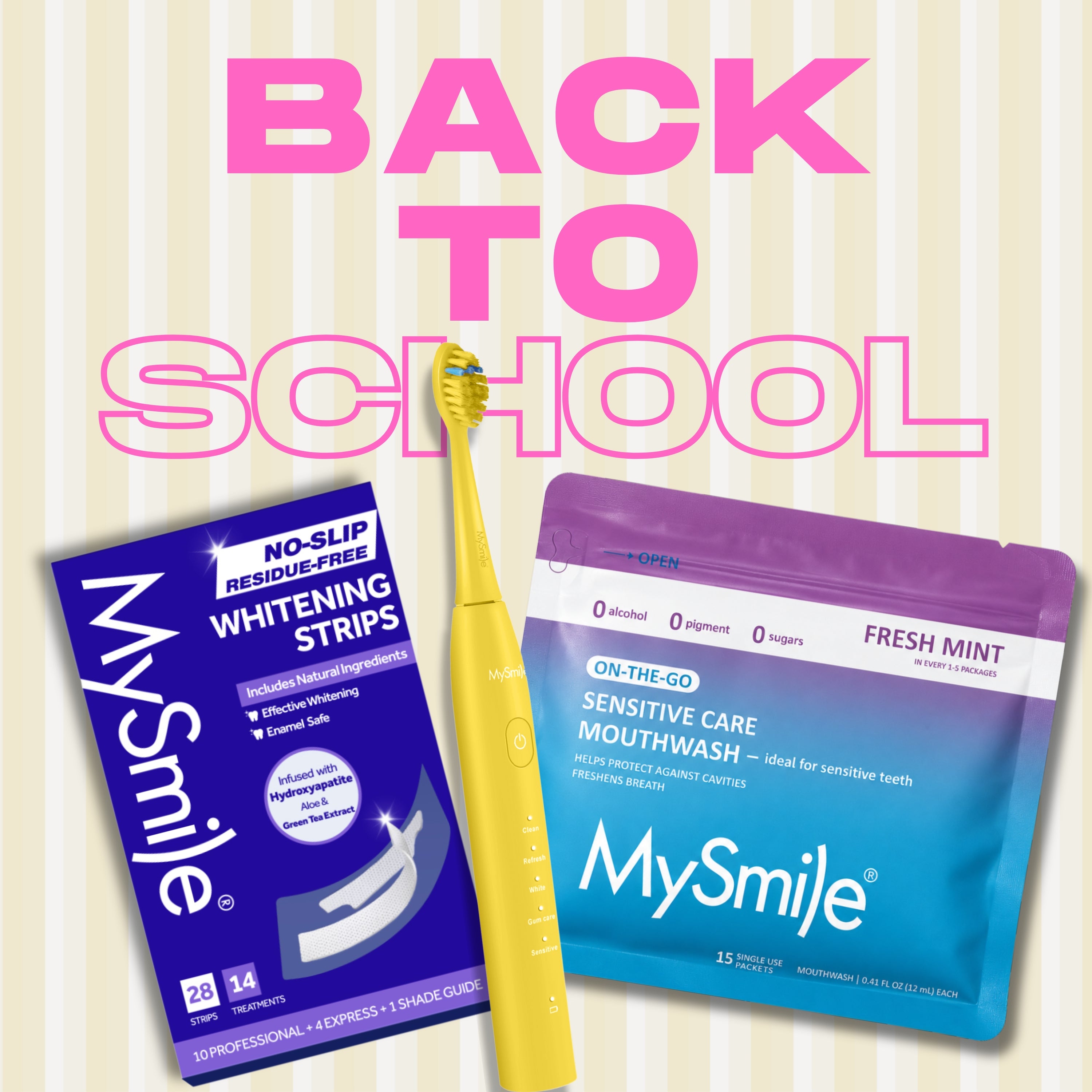
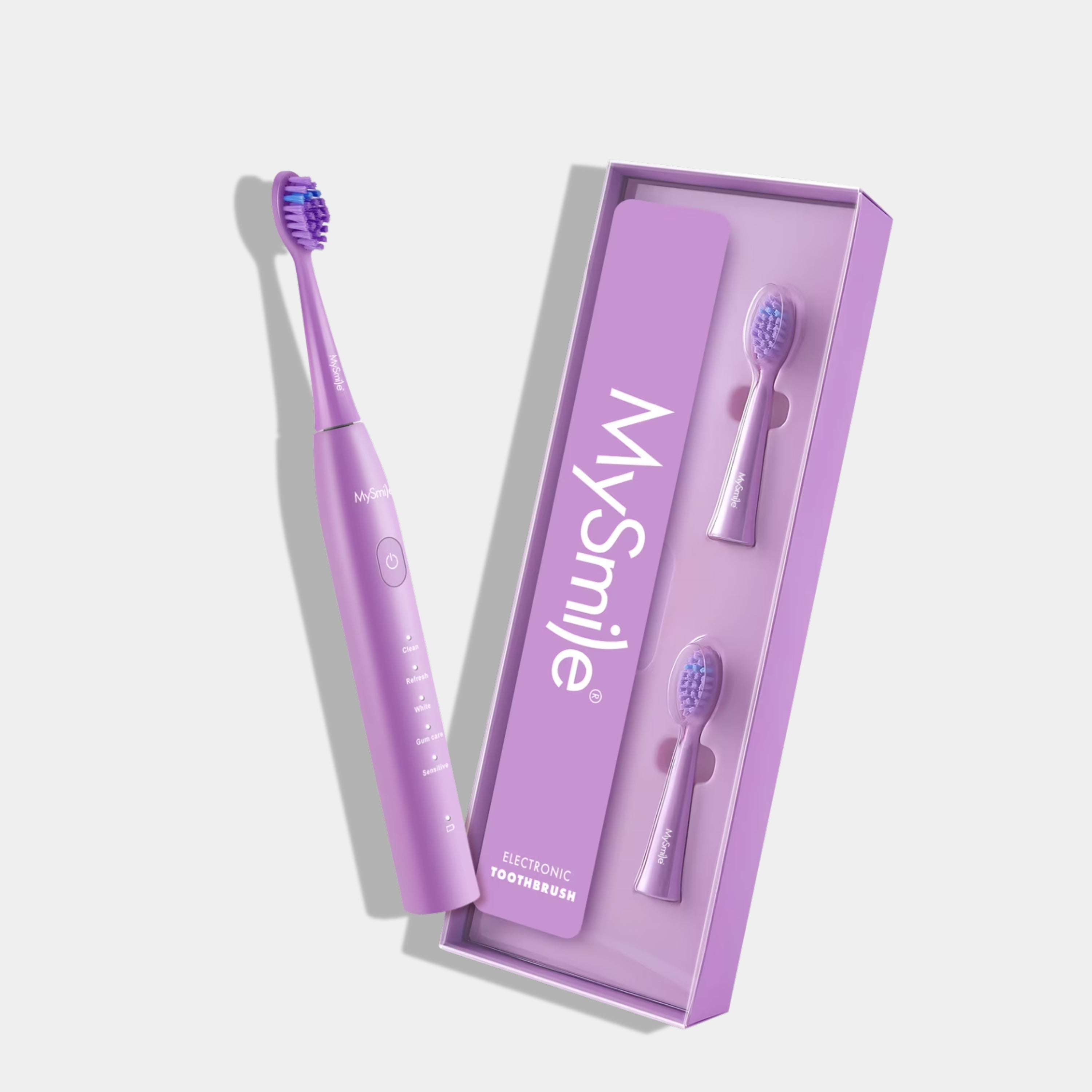
For a streamlined routine, the MySmile Button-Free Sonic Toothbrush and Nano-Hydroxyapatite Toothpaste Bundle pairs an nHA toothpaste with a sonic toothbrush designed to make consistent daily brushing feel simple and approachable.
Remember: more pressure does not mean more plaque removal. If your bristles quickly become bent or frayed, you may be brushing too hard.
What About Mouthwash Ingredients?
Mouthwash should support your routine—not punish your mouth with an intense burning sensation.
Traditional mouthwashes may use alcohol or powerful flavors to create a strong “clean” feeling. Some people enjoy that sensation, while others find it uncomfortable or drying.
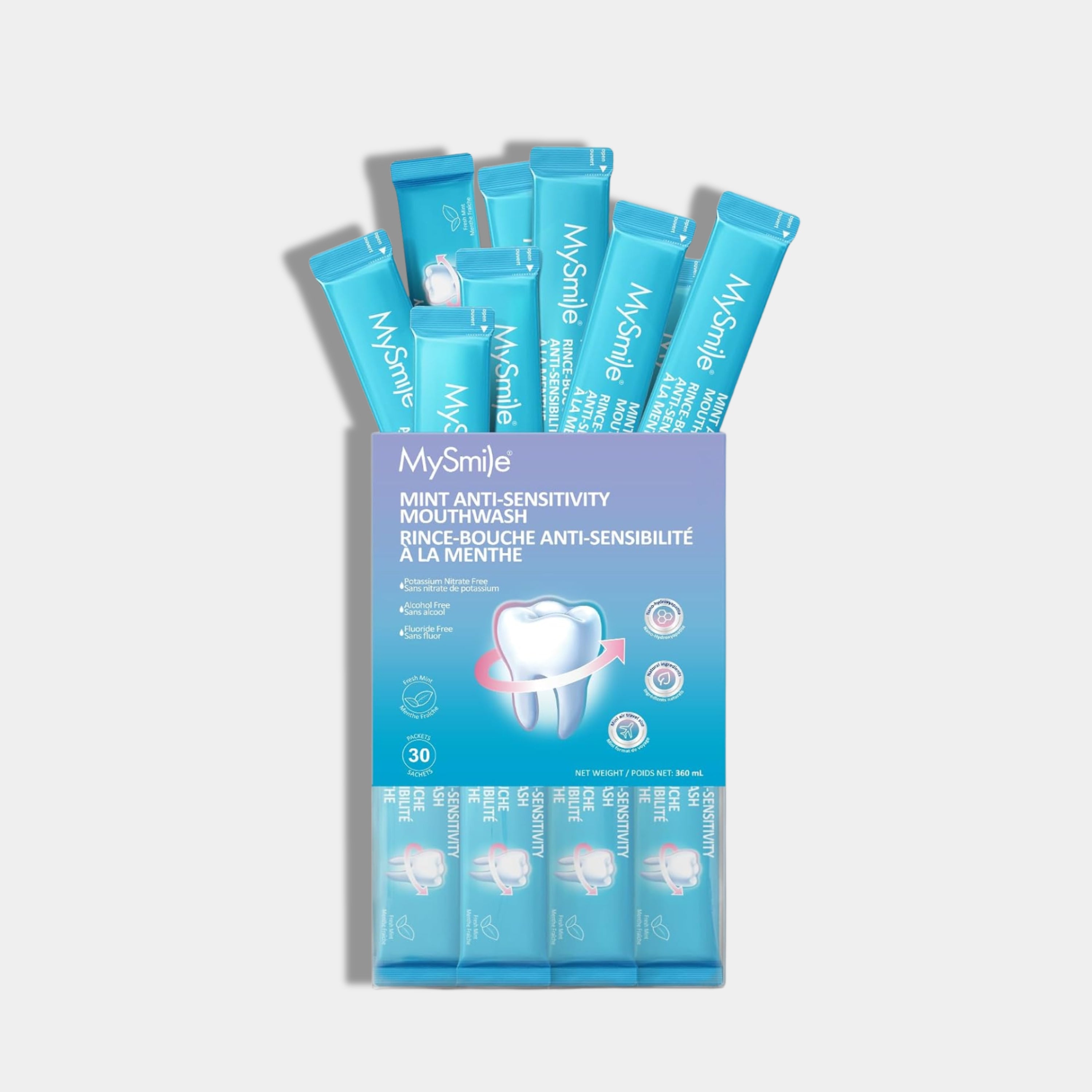
If you have a sensitive mouth, look for an alcohol-free formula with a milder flavor. The MySmile Nano-Hydroxyapatite Portable Mouthwash is alcohol-free, fluoride-free and SLS-free. Its individual packets are convenient for refreshing after meals, coffee or travel without carrying a full-size bottle.
Mouthwash is not a replacement for brushing or cleaning between the teeth, but it can be a useful addition when chosen for the right reason.
So, Which Toothpaste Ingredients Actually Matter?
There is no need to panic over every unfamiliar word on the label. Focus on whether the formula matches your oral-care needs.
Fluoride has the strongest established evidence for cavity prevention and may be especially important for people with a higher cavity risk.
Nano-hydroxyapatite is a promising mineral-based ingredient for people seeking enamel support, sensitivity-friendly care or a fluoride-free option.
SLS helps toothpaste foam, but an SLS-free formula may feel more comfortable for users who experience irritation.
Whitening abrasives can help remove surface stains, but stronger is not always better—especially if you already have sensitivity or exposed tooth surfaces.
Flavor and texture matter more than people realize. A toothpaste you enjoy using consistently is more valuable than a viral formula that makes brushing unpleasant.
The Bottom Line
Questioning toothpaste ingredients is not a bad thing. In fact, informed curiosity can help you build a routine that feels better and works better for your individual smile.
The key is avoiding extremes. Fluoride is not automatically dangerous, “natural” does not automatically mean safe and nano-hydroxyapatite should not be treated as a miracle ingredient. Look beyond viral claims, consider your personal cavity risk and choose products you can comfortably use every day.
If you have recurring cavities, persistent sensitivity, enamel erosion or gum recession, consult your dentist before making a major change to your routine. For anyone exploring a gentle, ingredient-conscious option, discover MySmile’s Nano-Hydroxyapatite Toothpaste and create a daily routine designed around comfort, consistency and confidence.