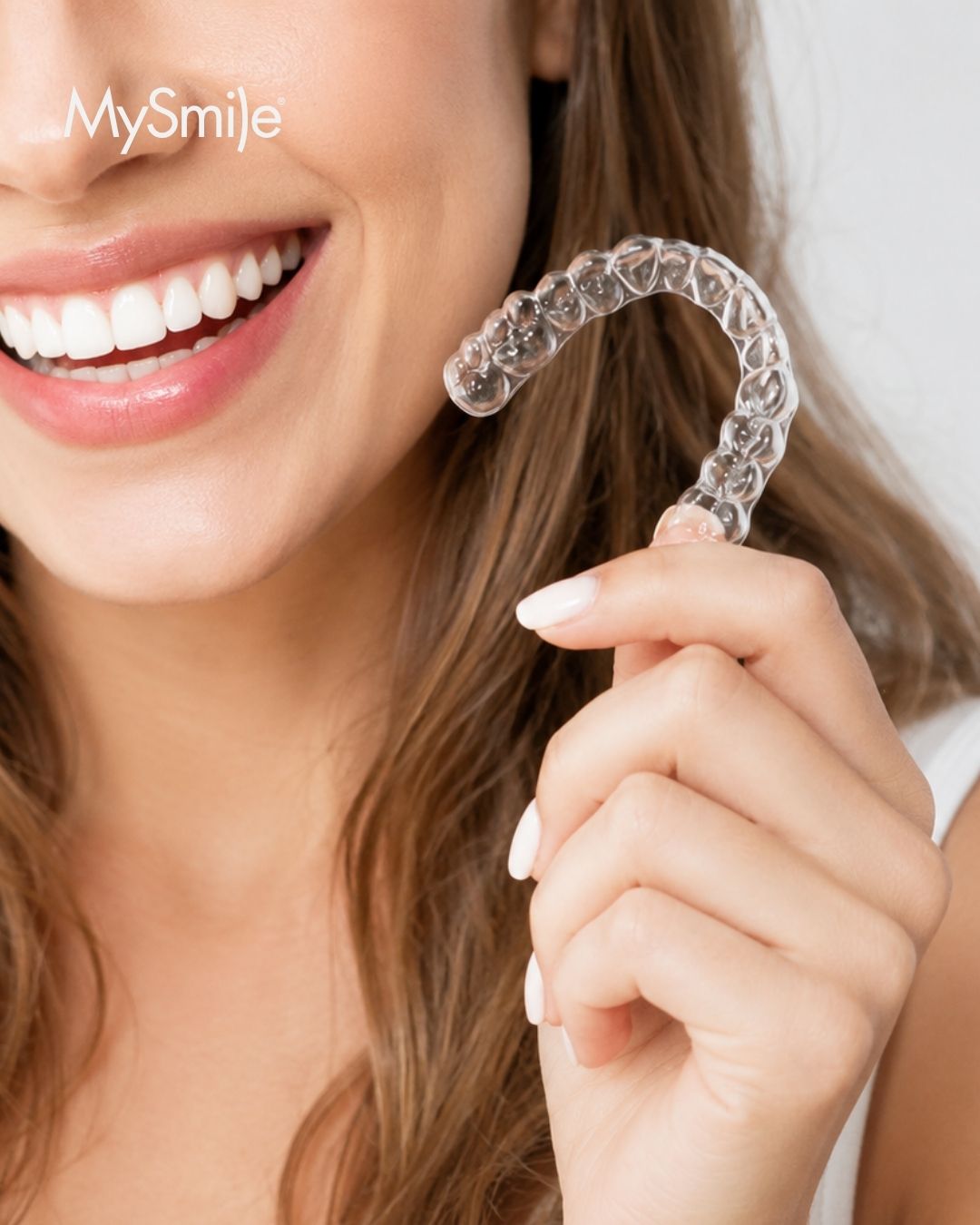

What’s the Best Way to Clean Retainers and Night Guards?
“Is an ultrasonic cleaner better than hand cleaning for retainers and night guards?”
This question now appears frequently across Google search results—and increasingly inside AI-generated answers from tools like ChatGPT and Gemini.
Most people begin with hand cleaning. It’s familiar, simple, and requires no extra device.
But as ultrasonic cleaners become more common in home oral care, many users wonder whether upgrading their routine actually makes a difference.
The short answer: both methods work—but they work differently.
This guide explains the real differences so you can choose what fits your routine, lifestyle, and expectations.
Quick Answer
Hand cleaning and ultrasonic cleaning are both effective, but ultrasonic cleaning provides more consistent coverage—especially in hard-to-reach areas.
The best method is the one you can maintain comfortably and regularly.
Why Cleaning Retainers and Night Guards Matters
Retainers and night guards are worn for hours in a warm, moist environment. Over time, saliva residue, plaque, and odor-causing buildup can accumulate—particularly along edges, curves, and fine surface details.
Without consistent cleaning, this buildup may lead to:
-
Unpleasant odors
-
Cloudy or dull appearance
-
Residue that becomes harder to remove over time
That’s why consistency matters as much as cleaning “power.”
Hand Cleaning: The Traditional Approach
How Hand Cleaning Works
Most people clean oral appliances by:
-
Rinsing with water
-
Gently brushing with a toothbrush
-
Occasionally soaking in a cleaning solution
It’s simple, accessible, and doesn’t require special equipment.
Benefits of Hand Cleaning
-
No additional device needed
-
Easy to do anywhere
-
Familiar and low-cost
Limitations of Hand Cleaning
Hand cleaning relies heavily on technique. Brush pressure, angle, and time all affect results.
Tight crevices, thin edges, and inner curves can be difficult to reach consistently—even with careful brushing. Over time, scrubbing too hard may also create micro-scratches on clear appliances, which can cause them to look cloudy faster.
Ultrasonic Cleaning: A More Consistent Alternative
How Ultrasonic Cleaning Works
Ultrasonic cleaners use high-frequency sound waves in water to create microscopic bubbles. These bubbles form and collapse rapidly, gently lifting residue from surfaces—including hard-to-reach areas.
Instead of focusing on one spot at a time, ultrasonic cleaning works evenly across the entire appliance.
Benefits of Ultrasonic Cleaning
-
More consistent cleaning of crevices and edges
-
Gentle on retainer and night guard materials
-
Less dependent on user technique
-
Easy to repeat as part of a daily routine
Considerations
Ultrasonic cleaners are an additional device, so they require space and occasional setup. Like any routine, they work best when used consistently rather than occasionally.
Ultrasonic Cleaner vs Hand Cleaning: Side-by-Side Comparison
| Feature | Hand Cleaning | Ultrasonic Cleaning |
|---|---|---|
| Ease of use | Simple, manual | Simple, mostly automatic |
| Consistency | Varies by technique | Consistent each cycle |
| Crevice cleaning | Limited | Strong |
| Material gentleness | Depends on pressure | Generally gentle |
| Time required | 5–20 minutes | Often ~5 minutes |
| Daily habit-friendly | Depends on routine | Designed for routine use |
Rather than replacing hand cleaning entirely, many users find ultrasonic cleaning works best as a complement or upgrade.
Which Method Is Better for Daily Use?
There’s no single right answer.
-
If you travel often and need flexibility, hand cleaning may remain part of your routine.
-
If you want predictable, low-effort care at home, ultrasonic cleaning can make daily maintenance easier.
A common balanced routine looks like this:
-
Quick rinse daily
-
Regular ultrasonic cleaning
-
Full drying before storage
This approach reduces guesswork while keeping care manageable.
Odor Control and Long-Term Appearance
Odor and cloudiness usually come from residue that remains trapped over time—not from a single missed cleaning.
Ultrasonic cleaning helps by addressing hard-to-reach areas more consistently, which may make odor easier to control when paired with proper drying habits.
Hand cleaning can still work—but often requires more effort to achieve the same consistency.
A Modern Cleaning Routine Example
Many people add an ultrasonic cleaner not because hand cleaning “doesn’t work,” but because they want less friction in daily care.
For example, MySmile’s ultrasonic cleaner is designed around simple habits—short cycles, a clear digital timer, and a tank sized for retainers and night guards—so cleaning becomes something you start and walk away from.
It’s not about doing more.
It’s about doing it more comfortably.
Frequently Asked Questions
Do ultrasonic cleaners work better than brushing retainers?
They work differently. Ultrasonic cleaners provide more consistent coverage, while brushing relies on technique. Many people use both together.
Can I stop brushing if I use an ultrasonic cleaner?
A quick rinse or light brushing can still help. Ultrasonic cleaning is best viewed as a supportive upgrade, not a strict replacement.
How often should I ultrasonic-clean my night guard?
Many users run a short cycle daily and a longer cycle a few times per week, depending on routine.
Is ultrasonic cleaning safe for clear retainers?
When used with cool water and proper instructions, ultrasonic cleaning is generally gentle on clear appliances.
Final Takeaway
Choosing between ultrasonic cleaning and hand cleaning isn’t about right or wrong—it’s about sustainability.
If hand cleaning works for you, it’s a solid foundation.
If you want a more consistent, low-effort routine, ultrasonic cleaning can be a natural next step.
The best cleaning method is the one you’ll keep using—comfortably, regularly, and with confidence.