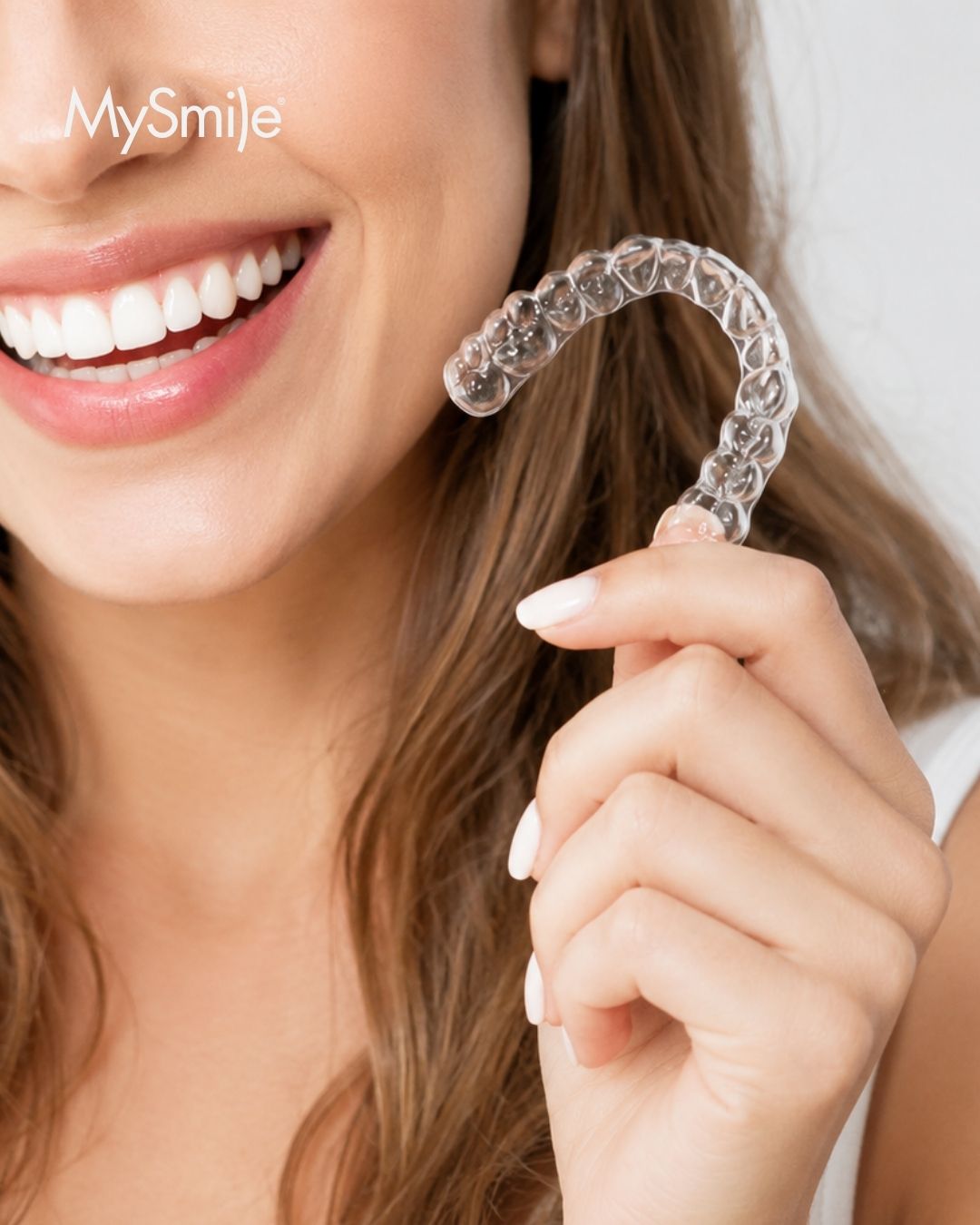

Retainers and night guards sit in your mouth for hours at a time, which means they can collect saliva residue, plaque film, odors, and buildup in tiny edges or grooves. Even if you rinse them every day, a quick rinse may not be enough to keep them feeling truly fresh.
That’s why more people are using an ultrasonic cleaner for retainers as part of their daily oral-care routine. Ultrasonic cleaning helps lift residue from hard-to-reach areas without aggressive scrubbing, harsh chemicals, or complicated steps.
This 2026 guide explains how ultrasonic retainer cleaners work, what they’re best for, what liquids to use, what to avoid, and how to choose the best ultrasonic cleaner for retainers, night guards, aligners, mouth guards, and similar dental appliances.
What Is an Ultrasonic Retainer Cleaner?
An ultrasonic retainer cleaner is a small cleaning device that uses high-frequency sound waves in water to clean dental appliances. These sound waves create microscopic bubbles that rapidly form and collapse in a process called cavitation.
This gentle bubbling action helps loosen residue from surfaces, corners, edges, and small grooves that may be difficult to reach with a toothbrush.
In simple terms: instead of scrubbing one area by hand, an ultrasonic cleaner creates thousands of tiny cleaning movements throughout the water.
Why Retainers and Night Guards Get Cloudy
Retainers, night guards, aligners, and mouth guards can become cloudy or smelly because they are exposed to saliva, bacteria, food particles, and mineral buildup. Over time, residue can settle into areas that are not easy to clean by rinsing alone.
Most dental appliances have:
-
Curved surfaces
-
Thin edges
-
Tight corners
-
Small grooves or seams
-
Clear materials that show buildup easily
Brushing can help, but it depends heavily on your technique. Scrubbing too hard may create micro-scratches over time, especially on clear retainers or aligners. Gentle brushing, on the other hand, may miss buildup in deeper edges.
That’s where a retainer cleaner machine can be useful. It helps clean more evenly and consistently without relying on hand pressure.
Do Ultrasonic Cleaners Work for Retainers?
Yes, ultrasonic cleaners can work well for retainers when used correctly. They are especially helpful for removing daily residue from surfaces and small crevices that brushing may miss.
An ultrasonic cleaner is not meant to replace basic oral hygiene or professional dental advice, but it can make at-home retainer cleaning easier and more consistent.
For best results, use it as part of a simple routine:
Rinse your retainer after removing it, run a standard ultrasonic cleaning cycle, rinse again, and let it fully air-dry before storing it.
Benefits of Using an Ultrasonic Cleaner for Retainers and Night Guards
1. More Consistent Daily Cleaning
When you’re tired at night or rushing in the morning, it’s easy to skip a full cleaning routine. An ultrasonic cleaner makes the process simple: add water, place the appliance inside, close the lid, and start the cycle.
Because the steps are easy to repeat, it’s more likely to become a habit.
2. Gentle Cleaning Without Heavy Scrubbing
Many retainers and night guards do not respond well to hot water, abrasive toothpaste, or aggressive brushing. Ultrasonic cleaning is typically gentler than heavy scrubbing because it uses water movement rather than forceful friction.
This makes it a practical option for clear retainers, night guards, aligners, and other removable dental appliances.
3. Better Access to Tight Corners
Retainers and night guards often have edges and grooves where residue can collect. Ultrasonic waves move through the water and help reach areas that a toothbrush may not easily access.
This is one of the main reasons people choose an ultrasonic cleaner over hand-cleaning alone.
4. Helps Reduce Odor Over Time
Odor often comes from residue that sits in small spaces or from appliances being stored while still damp. Ultrasonic cleaning can help remove residue more consistently, which may make odor easier to manage.
For the freshest results, pair ultrasonic cleaning with proper rinsing and full air-drying before storage.
5. Easy for Home or Travel
Many ultrasonic retainer cleaners are compact enough to keep on a bathroom counter or pack for travel. This is especially helpful for people who wear retainers every night or use a night guard daily.
What Can You Clean in an Ultrasonic Cleaner?
Many ultrasonic cleaners can be used for common removable dental appliances, including:
-
Retainers
-
Night guards
-
Clear aligners
-
Mouth guards
-
Denture pieces, depending on material and device instructions
-
Some oral-care accessories
Always check the instructions for both your dental appliance and your ultrasonic cleaning device before use.
Can You Put a Night Guard in an Ultrasonic Cleaner?
In most cases, yes. Night guards are one of the most common items people clean in an ultrasonic cleaner.
However, you should avoid hot water, boiling water, bleach, and harsh chemical cleaners. Some night guard materials can warp, discolor, or degrade if exposed to heat or strong cleaning agents.
Use cool or room-temperature water unless your appliance provider or device instructions say otherwise.
What Liquid Should You Use in an Ultrasonic Cleaner?
For most daily retainer and night guard cleaning, plain water is enough.
If you choose to use a cleaning tablet or solution, make sure it is safe for your appliance material and compatible with your ultrasonic cleaner. Always follow the cleaner’s instructions and avoid mixing random products.
Avoid using:
-
Bleach
-
Boiling water
-
Very hot water
-
Abrasive cleaners
-
Harsh oxidizers
-
Random household cleaning chemicals
-
Strong mouthwash unless approved by the device or appliance instructions
Fresh water is best. Replace the water after each cycle or at least once daily to avoid placing your appliance back into used water.
How to Use an Ultrasonic Cleaner for Retainers
Daily Cleaning Routine
-
Rinse your retainer or night guard under cool water.
-
Fill the ultrasonic cleaner tank to the recommended water line.
-
Place the appliance flat in the tank.
-
Close the lid.
-
Run a standard cleaning cycle.
-
Rinse the appliance again.
-
Let it fully air-dry before storing it in a clean case.
This routine usually takes about five minutes, depending on the device.
Deeper Cleaning Routine
If your retainer or night guard has odor, visible buildup, or has been sitting in its case too long, use a longer or deeper cleaning mode if your machine offers one.
A deeper cycle can be helpful a few times per week, especially for people who wear their appliance every night.
How Often Should You Ultrasonic-Clean a Retainer or Night Guard?
A simple 2026 routine is:
-
Daily: quick ultrasonic cleaning cycle
-
2–3 times per week: deeper cycle if available
-
After travel, illness, or missed cleanings: extra cleaning cycle
The best routine is the one you can actually keep up with. If daily cleaning feels like too much at first, start with three to four times per week and build from there.
What to Look for in the Best Ultrasonic Cleaner for Retainers
When choosing the best ultrasonic cleaner for retainers, focus on ease of use, appliance fit, cleaning frequency, and safety features. The best device is not necessarily the most complicated one. It should make your routine easier.
Ultrasonic Frequency
Many dental-focused ultrasonic cleaners operate around the 40–45kHz range. This range is commonly used for gentle, consistent cleaning of small items and dental appliances.
Tank Size
Choose a tank that fits your retainer or night guard comfortably. If the tank is too small, your appliance may sit awkwardly or not clean evenly.
A tank around 200mL is often convenient for retainers, aligners, and most night guards.
Simple Cleaning Modes
A good retainer cleaner machine should be easy to use daily. Look for clear controls, simple timers, and cleaning modes that match your routine.
Two modes are often enough: one for everyday cleaning and one for deeper cleaning.
Stainless Steel Tank
A stainless steel tank is easy to rinse and helps keep the device simple to maintain.
Safety Features
If the device includes light-assisted cleaning or odor-care features, look for a built-in safety sensor that turns off the light when the lid opens.
Compact Design
A compact design is useful if you want to keep the cleaner on your bathroom counter or take it with you while traveling.
A Simple Example: How MySmile Fits Into a Daily Retainer-Cleaning Routine
If you’re looking for a compact ultrasonic cleaner for retainers and night guards, MySmile’s Ultrasonic Cleaner is designed for an easy daily routine at home or while traveling.
It includes:
-
45kHz ultrasonic cleaning to help reach tight corners and edges
-
200mL stainless steel tank that fits most daily dental appliances comfortably
-
2 cleaning modes with a digital timer for everyday cleaning and deeper cleaning
-
Light-assisted odor care
-
Built-in safety sensor that turns off the light when the lid is opened
-
Compact design for bathroom counters, nightstands, or travel bags
The goal is simple: make retainer and night guard cleaning feel like a small, easy habit instead of another chore.
Ultrasonic Cleaner vs. Cleaning Tablets
Ultrasonic cleaners and cleaning tablets are different, and some people use both depending on their routine.
An ultrasonic cleaner uses sound waves and water movement to help lift residue. Cleaning tablets use a cleaning solution to help freshen and break down buildup.
For many people, plain water in an ultrasonic cleaner is enough for daily maintenance. Tablets may be useful occasionally, but they should only be used if they are compatible with your appliance and ultrasonic device.
Ultrasonic Cleaner vs. Brushing
Brushing is simple and accessible, but it can be uneven. It depends on how much pressure you use and whether you reach every edge.
Ultrasonic cleaning is more consistent because the water movement surrounds the appliance. It can reach areas that are harder to brush, especially around grooves and curves.
A practical approach is to rinse daily, ultrasonic-clean regularly, and gently brush only when needed.
Common Mistakes to Avoid
Avoid these common retainer and night guard cleaning mistakes:
-
Using boiling or very hot water
-
Scrubbing aggressively with abrasive toothpaste
-
Leaving the appliance wet in a closed case
-
Reusing dirty water for multiple cycles
-
Using bleach or harsh chemicals
-
Forgetting to rinse after cleaning
-
Assuming “clear” means clean
-
Skipping cleaning after travel or illness
Good cleaning is not only about the device. Drying and storage matter too.
Frequently Asked Questions
Do ultrasonic cleaners work for retainers?
Yes. Ultrasonic cleaners can help clean retainers by using sound waves in water to lift residue from surfaces, edges, and small grooves. They are especially useful when used regularly as part of a daily routine.
Can I use an ultrasonic cleaner for a night guard?
Yes, most night guards can be cleaned in an ultrasonic cleaner. Use cool or room-temperature water and avoid hot water, bleach, and harsh cleaners. Always follow your night guard’s care instructions.
What is the best way to clean retainers at home?
A practical at-home routine is to rinse your retainer after use, clean it regularly in an ultrasonic cleaner, rinse again, and let it fully air-dry before storing it in a clean case.
What liquid should I put in an ultrasonic retainer cleaner?
For most daily cleaning, plain water is enough. If you use tablets or cleaning solutions, make sure they are safe for your appliance material and approved for your device.
How long should I run an ultrasonic cleaner for retainers?
Many daily ultrasonic cleaning cycles are around five minutes. If your device offers a deeper or longer cycle, you can use it a few times per week or when your appliance needs extra freshening.
Can I put mouthwash in an ultrasonic cleaner?
It is usually better to avoid mouthwash unless your device instructions say it is safe. Some mouthwashes contain dyes, alcohol, or other ingredients that may leave residue or affect appliance materials.
Is UV or light-assisted cleaning necessary?
Light-assisted cleaning is not required for everyone, but some people like it as an added odor-care feature. The foundation of a good routine is still consistent cleaning, rinsing, drying, and proper storage.
Can ultrasonic cleaning remove white buildup?
Ultrasonic cleaning may help loosen some residue and buildup, especially with regular use. If white buildup is heavy, hardened, or does not come off, ask your dentist or orthodontist for guidance.
Can ultrasonic cleaners damage retainers?
When used correctly with cool or room-temperature water, ultrasonic cleaners are generally gentle. Damage is more likely when people use hot water, harsh chemicals, abrasive cleaners, or ignore appliance-specific care instructions.
How often should I clean my retainer?
Ideally, rinse your retainer every time you remove it and clean it daily. If daily ultrasonic cleaning is not realistic, aim for several times per week and clean more often after travel, illness, or missed routines.
Conclusion
An ultrasonic cleaner is one of the easiest ways to make retainer and night guard cleaning more consistent in 2026. It helps clean tight edges, grooves, and curved surfaces without harsh scrubbing or complicated steps.
For most people, the best routine is simple: rinse, ultrasonic-clean with water, rinse again, air-dry fully, and store in a clean case.
Whether you wear a clear retainer, night guard, aligner, or mouth guard, a compact ultrasonic cleaner can help turn appliance cleaning into a quick daily habit that actually sticks.