
Your mouth is home to an entire community of bacteria, fungi, viruses and other tiny organisms. Together, they form what scientists call the oral microbiome.
That may sound a little unsettling, but here is the plot twist: not every microbe in your mouth is an enemy. Many are normal residents, and some help keep potentially harmful organisms from taking over. According to the National Institute of Dental and Craniofacial Research, most oral microbes promote health, while certain combinations and behaviors can contribute to tooth decay and gum disease.
So, a healthy oral-care routine is not about trying to make your mouth bacteria-free. That would be impossible—and it misses the point. The goal is to keep your mouth clean, limit the conditions that allow harmful microbes to thrive and support healthy teeth and gums every day.
What Is the Oral Microbiome?
Think of your mouth as a collection of tiny neighborhoods. Your tongue, teeth, gums, cheeks and areas below the gumline each provide different environments where microorganisms can live.
These microbes interact with one another, your saliva, the foods you eat and the products you use. When the community is relatively stable and your teeth and gums are healthy, it is often described as a balanced oral microbiome.
Problems can begin when that environment changes. Frequent sugar exposure, dry mouth, inconsistent cleaning, smoking and plaque buildup can create conditions that favor bacteria associated with cavities, bad breath and gum inflammation.
This disruption is sometimes called oral dysbiosis. It does not mean that one “bad” bacterium suddenly causes every problem. Oral health is more complex: the environment, the microbial community and your body's response all matter.
Good Bacteria vs. Harmful Bacteria: Is It Really That Simple?
Not quite.
It is tempting to divide every mouth bacterium into a good team and a bad team, but many microbes behave differently depending on their surroundings. The same organism may live quietly in one environment and become part of a harmful biofilm in another.
That is why oral microbiome care is less about eliminating specific bacteria and more about maintaining healthy conditions:
-
Keeping plaque from accumulating around teeth and gums
-
Limiting how often teeth are exposed to sugar and acid
-
Maintaining healthy saliva flow
-
Cleaning between teeth consistently
-
Avoiding tobacco
-
Visiting a dental professional for preventive care
In other words, the basics still matter. The microbiome trend has not replaced brushing and flossing—it helps explain why those habits are so important.
Plaque Is a Biofilm, Not Just “Dirt”
Dental plaque is a sticky biofilm made up of microorganisms and the substances around them. When it remains on teeth, especially near the gumline and between teeth, it can become more difficult to remove and contribute to inflammation or decay.
The goal of daily cleaning is to disrupt this buildup before it has a chance to settle in. Brushing cleans the exposed surfaces of your teeth, but it may not reach every tight space.
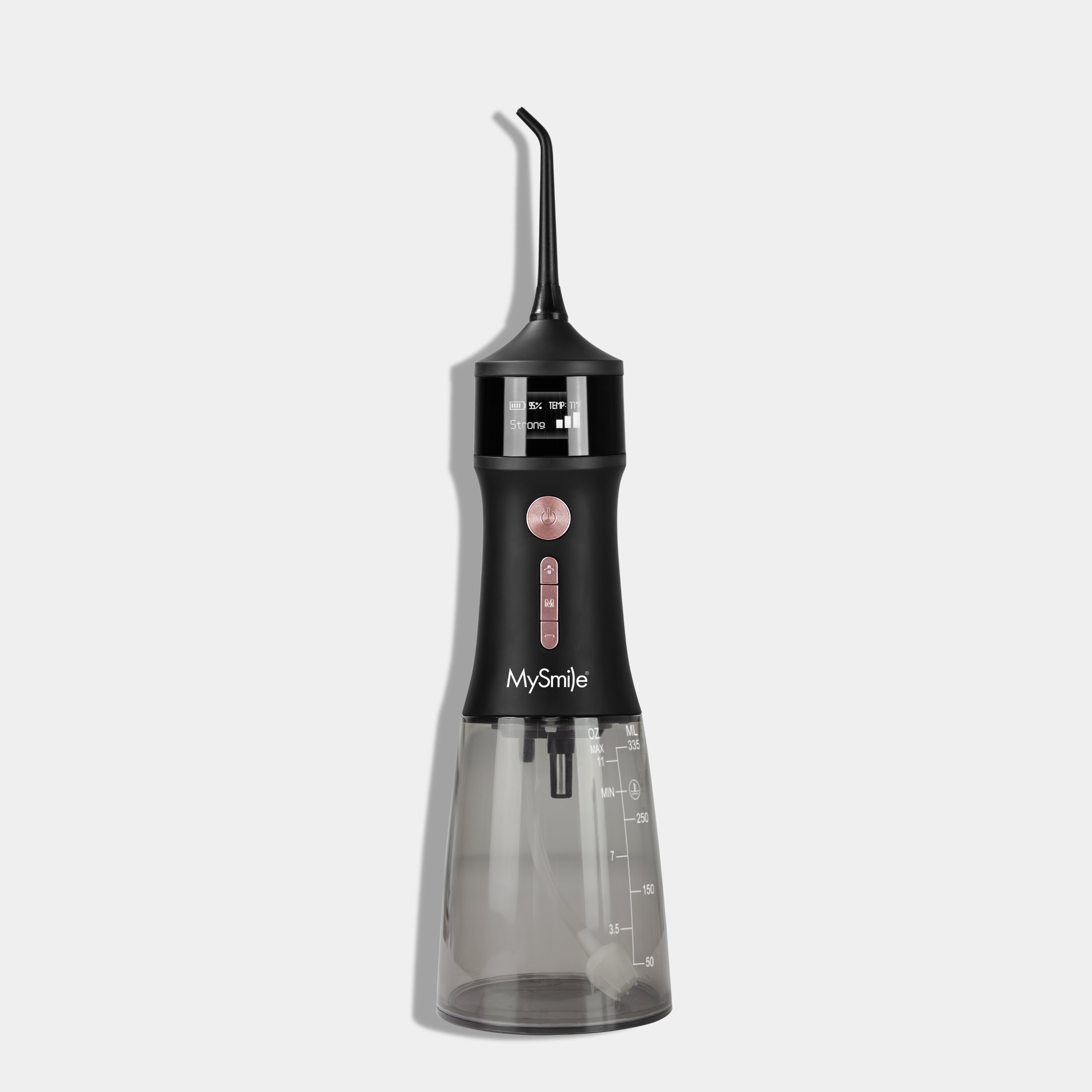
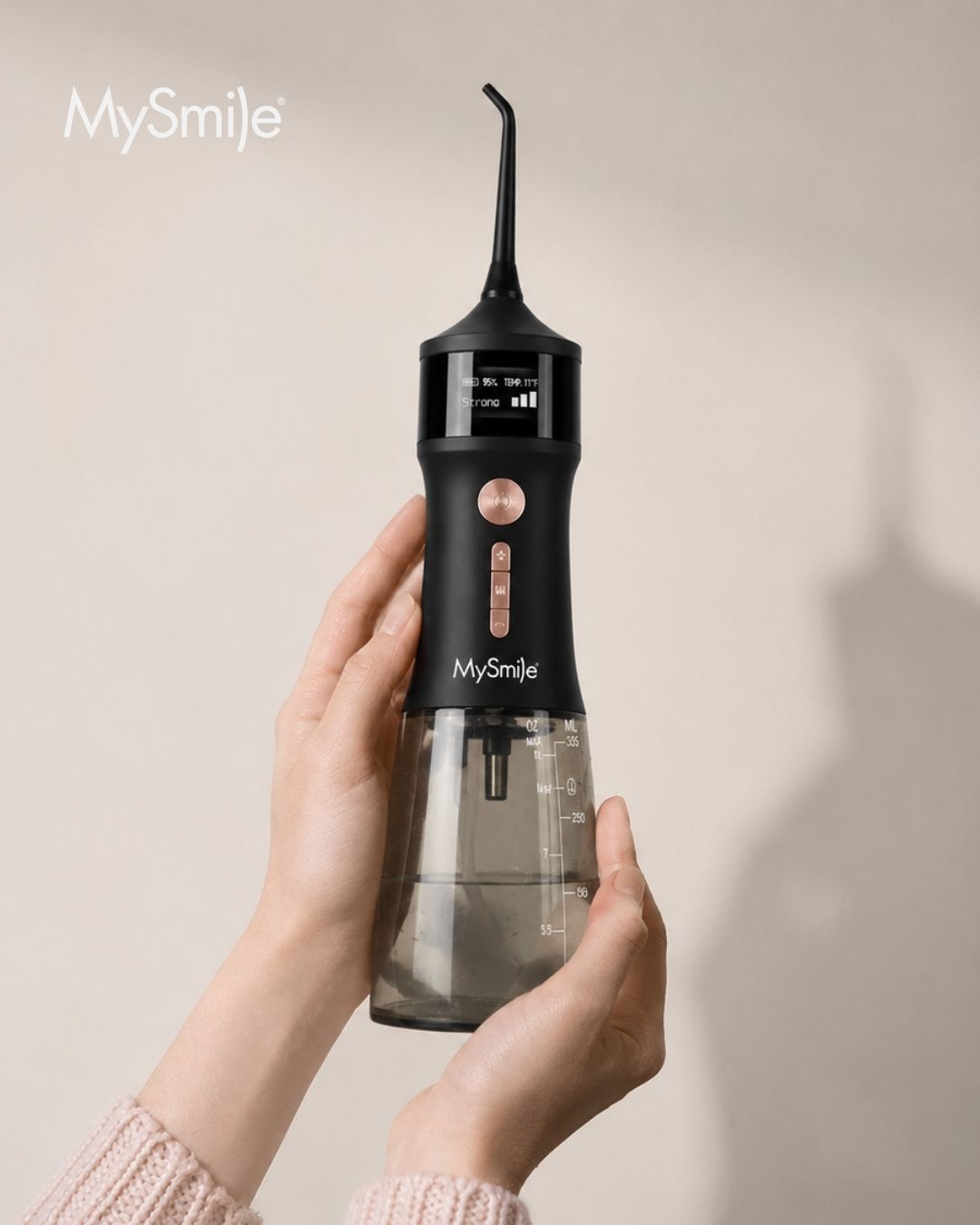
That is where interdental cleaning comes in. String floss is effective when used correctly, while a MySmile water flosser can help remove food particles and plaque from between teeth and along the gumline. The best method is the one you can use safely and consistently.
Does Toothpaste Affect the Oral Microbiome?
Toothpaste helps loosen plaque, clean the tooth surface and deliver ingredients designed for specific oral-care needs. It is only one part of the bigger picture, though. Brushing technique, frequency, diet and professional care also influence oral health.
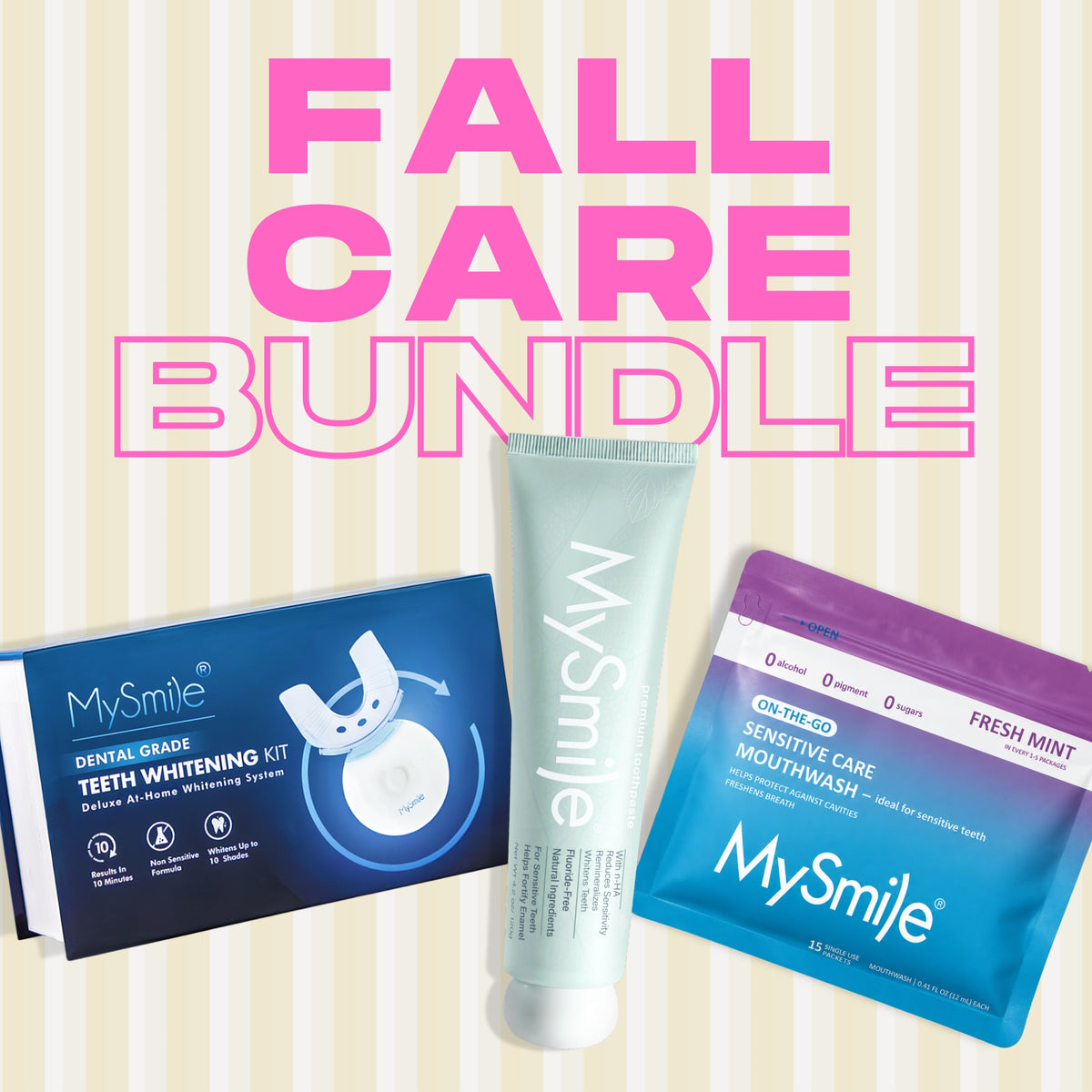
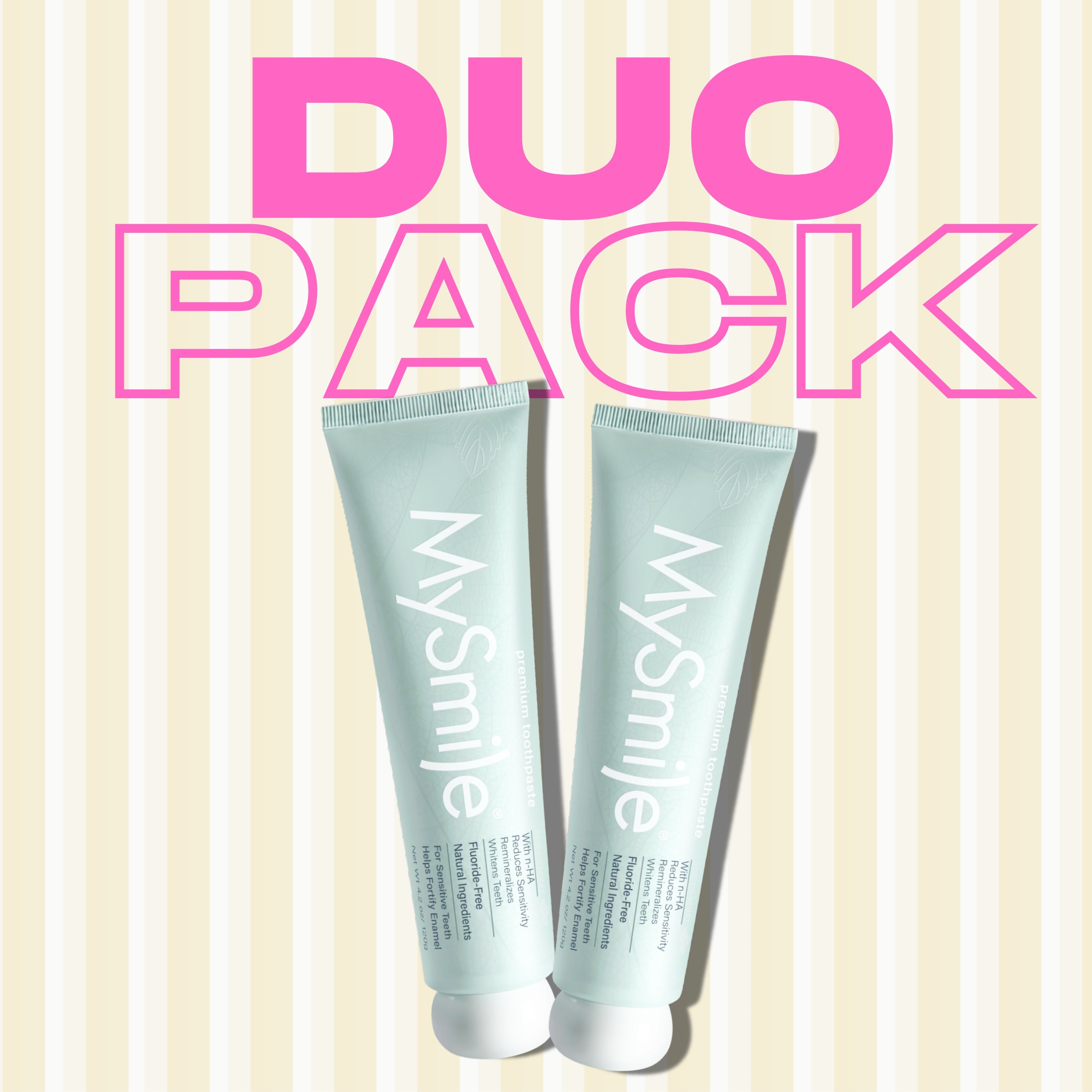
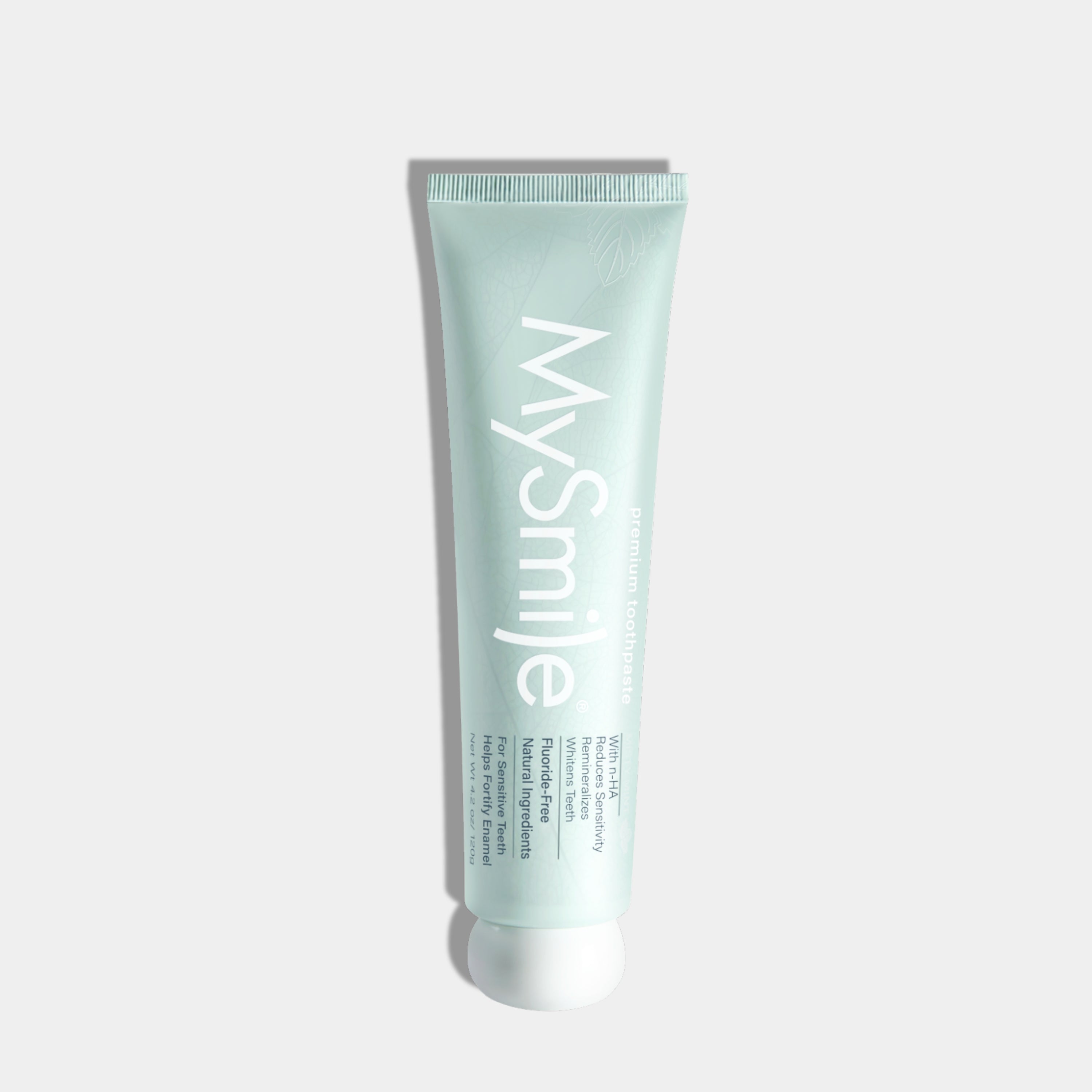
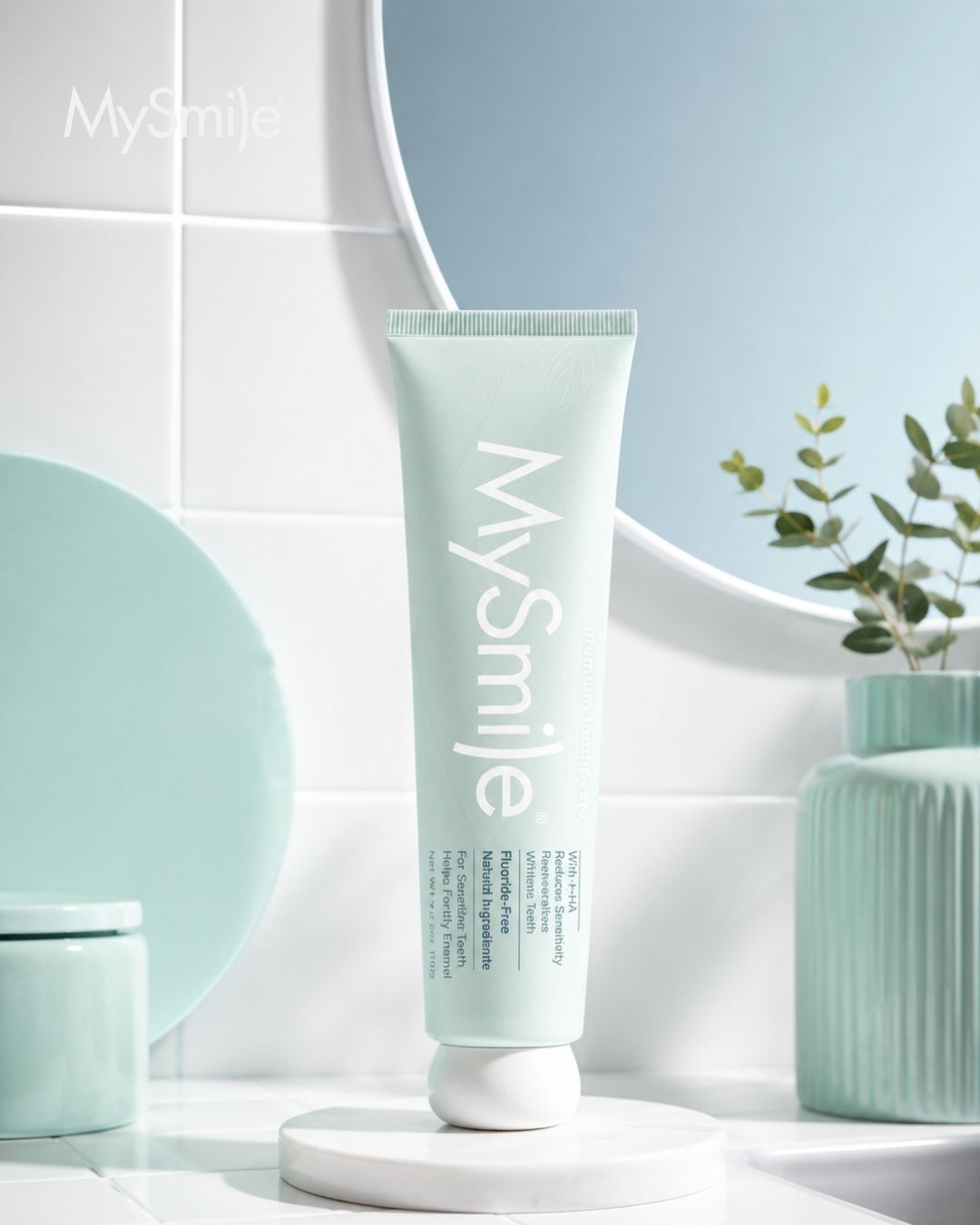
For people interested in a gentle daily formula, MySmile Nano-Hydroxyapatite Toothpaste combines nano-hydroxyapatite with xylitol in an SLS-free formula. Nano-hydroxyapatite is an enamel-supporting mineral, while the toothpaste is designed to help clean away plaque and biofilm as part of a twice-daily routine.
No toothpaste can permanently “reset” your oral microbiome after one use. Consistency matters more than chasing a miracle ingredient: brush thoroughly for two minutes, twice a day, and follow the directions on the product label.
What About Mouthwash?
Mouthwash can be a useful addition to an oral-care routine, but it should not replace brushing or cleaning between teeth.
Different formulas serve different purposes. Some are intended to freshen breath, while others contain active ingredients for specific dental needs. Stronger is not automatically better, and a burning sensation is not proof that a rinse is working.
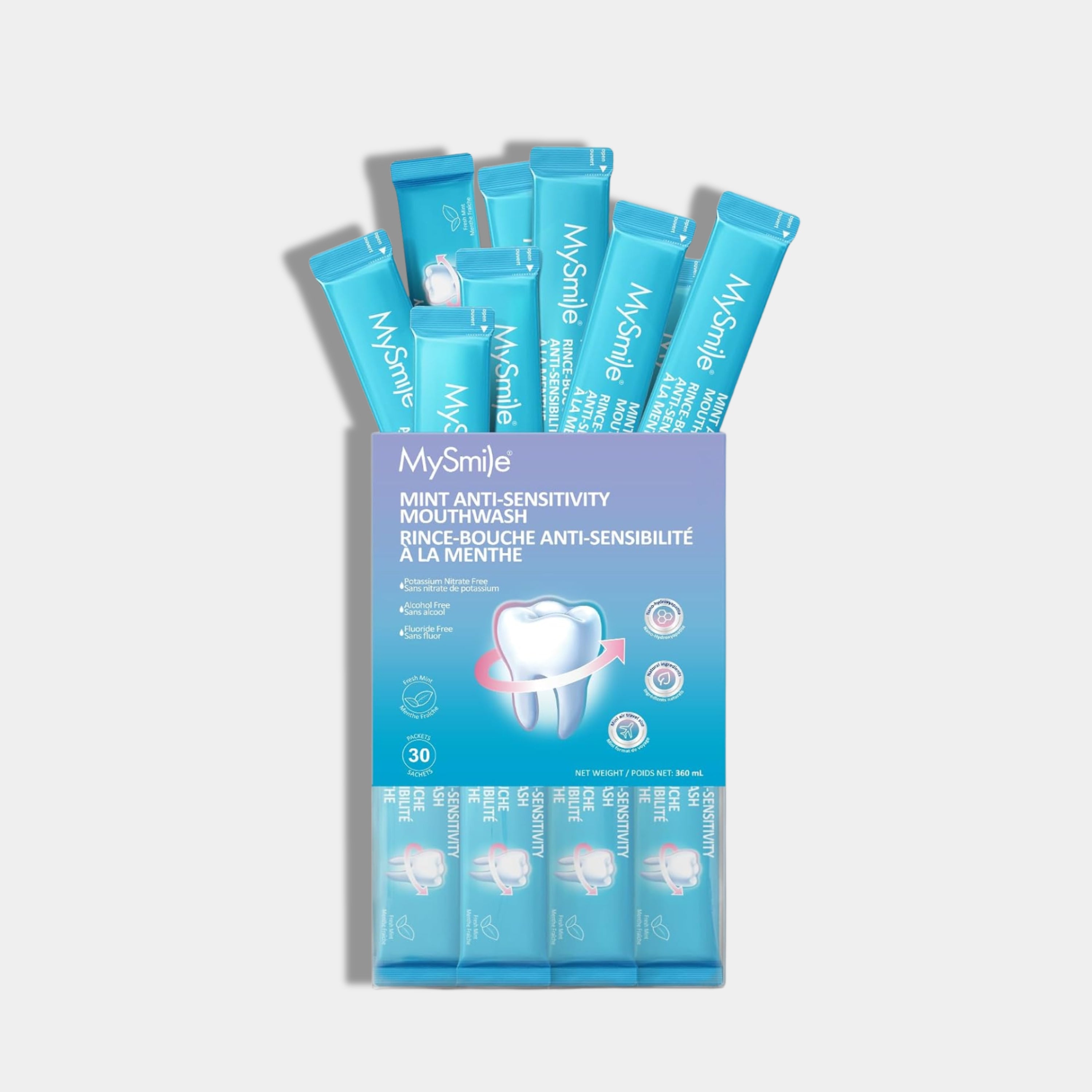
People who find traditional rinses uncomfortable may prefer an alcohol-free option. MySmile Nano-Hydroxyapatite Mouthwash is alcohol-free, fluoride-free and SLS-free, with nano-hydroxyapatite in convenient single-use packets. It is designed as a gentler daily rinse for fresh breath and enamel care without the intense burn.
If your dentist has recommended a therapeutic mouthwash for gum disease, tooth decay or another condition, follow that professional advice. A cosmetic or daily-use rinse is not a substitute for prescribed treatment.
Five Everyday Habits That Support a Healthy Mouth
1. Brush twice a day
Use a soft-bristled toothbrush and clean for two full minutes. Gentle, consistent brushing is more helpful than aggressive scrubbing, which can irritate gums and wear tooth surfaces over time.
2. Clean between your teeth daily
This is where plaque and food particles often hide. Use string floss, interdental brushes or a water flosser based on your needs and your dental professional's guidance.
3. Reduce frequent sugar exposure
It is not only the amount of sugar that matters; frequency matters too. Oral bacteria can use sugars to produce acids, so repeatedly sipping or snacking throughout the day gives that process more opportunities to happen.
4. Support healthy saliva flow
Saliva helps wash away food particles and neutralize acids. Stay hydrated. If you regularly experience dry mouth, speak with a dentist or healthcare professional, because medications and health conditions can sometimes contribute to it.
5. Do not wait for pain to see a dentist
Bleeding gums, persistent bad breath, tooth sensitivity and dry mouth can have several causes. A dental professional can identify what is happening and recommend appropriate care before a small issue becomes a bigger one.
Can You “Rebalance” Your Oral Microbiome Overnight?
Be skeptical of any product that promises to completely reset, detox or transform your oral microbiome instantly.
Scientists are actively studying oral probiotics, prebiotics and targeted treatments, but the microbiome is a complex ecosystem. For most people, the most practical strategy is also the least flashy: control plaque, protect enamel, care for the gums, limit frequent sugar exposure and maintain regular dental visits.
Your routine does not need to be complicated. It needs to be consistent.
Build a More Complete Daily Routine
A healthy-looking smile starts with everyday habits that care for more than the visible front surfaces of your teeth.
-
Brush: Use MySmile Nano-Hydroxyapatite Toothpaste twice daily for gentle cleaning and enamel care.
-
Clean between teeth: Add the MySmile Water Flosser to help remove food particles and plaque from hard-to-reach areas.
-
Rinse: Finish with MySmile Nano-Hydroxyapatite Mouthwash when you want an alcohol-free rinse without the intense burn.
The oral microbiome may be having its wellness moment, but the takeaway is refreshingly simple: care for the environment in your mouth, and your teeth and gums will be better positioned to thrive.
This article is for general educational purposes and is not a substitute for professional dental or medical advice. Ask your dentist which products and routine are appropriate for your individual needs.