
How to Whiten Sensitive Teeth Without the Painful “Zingers”
You want a brighter smile—not a surprise lightning bolt shooting through your teeth halfway through the day.
Those quick, sharp flashes of discomfort after whitening are often called “zingers.” They are a common form of temporary tooth sensitivity associated with peroxide-based whitening. The good news? Having sensitive teeth does not always mean you have to skip whitening completely. It usually means you need to choose your product carefully, follow the timing exactly, and pay attention to what your teeth are telling you.
Here is how to build a gentler whitening routine without turning your smile goals into a pain challenge.
What causes whitening “zingers”?
Most whitening products use hydrogen peroxide or carbamide peroxide to break apart stain-causing molecules. During treatment, peroxide can move through the enamel and dentin. For some people, this temporarily irritates the tooth’s pulp—the soft inner area containing nerves and blood vessels.
According to the American Dental Association’s overview of teeth whitening, temporary tooth sensitivity and gum irritation are the most common side effects of whitening. Sensitivity is more likely to occur when:
-
The whitening formula is highly concentrated.
-
The product stays on longer than directed.
-
Treatments are used too frequently.
-
Too much gel touches the teeth or gums.
-
You already have exposed roots, worn enamel, cavities, cracks, or gum recession.
In other words, more gel and more time do not automatically mean better results. They may simply mean more discomfort.
Can you safely whiten sensitive teeth?
Many people with mild sensitivity can still whiten their natural teeth, but the right approach depends on why their teeth are sensitive.
If cold drinks have always caused a mild twinge, a gentler at-home option may be appropriate. If sensitivity is new, severe, limited to one tooth, or lasts after the trigger is gone, schedule a dental exam before whitening. Pain can sometimes signal a cavity, crack, leaking restoration, gum recession, or another issue that a cosmetic product cannot fix.
You should also speak with your dentist before whitening if you have active gum problems, extensive dental work, or a history of severe whitening sensitivity. Whitening changes the color of natural teeth, but it does not lighten crowns, veneers, implants, or tooth-colored fillings.
7 ways to whiten sensitive teeth more comfortably
1. Start with a formula designed for sensitive teeth
Choose a whitening product that gives you clear instructions, controlled contact with your teeth, and a manageable treatment time.
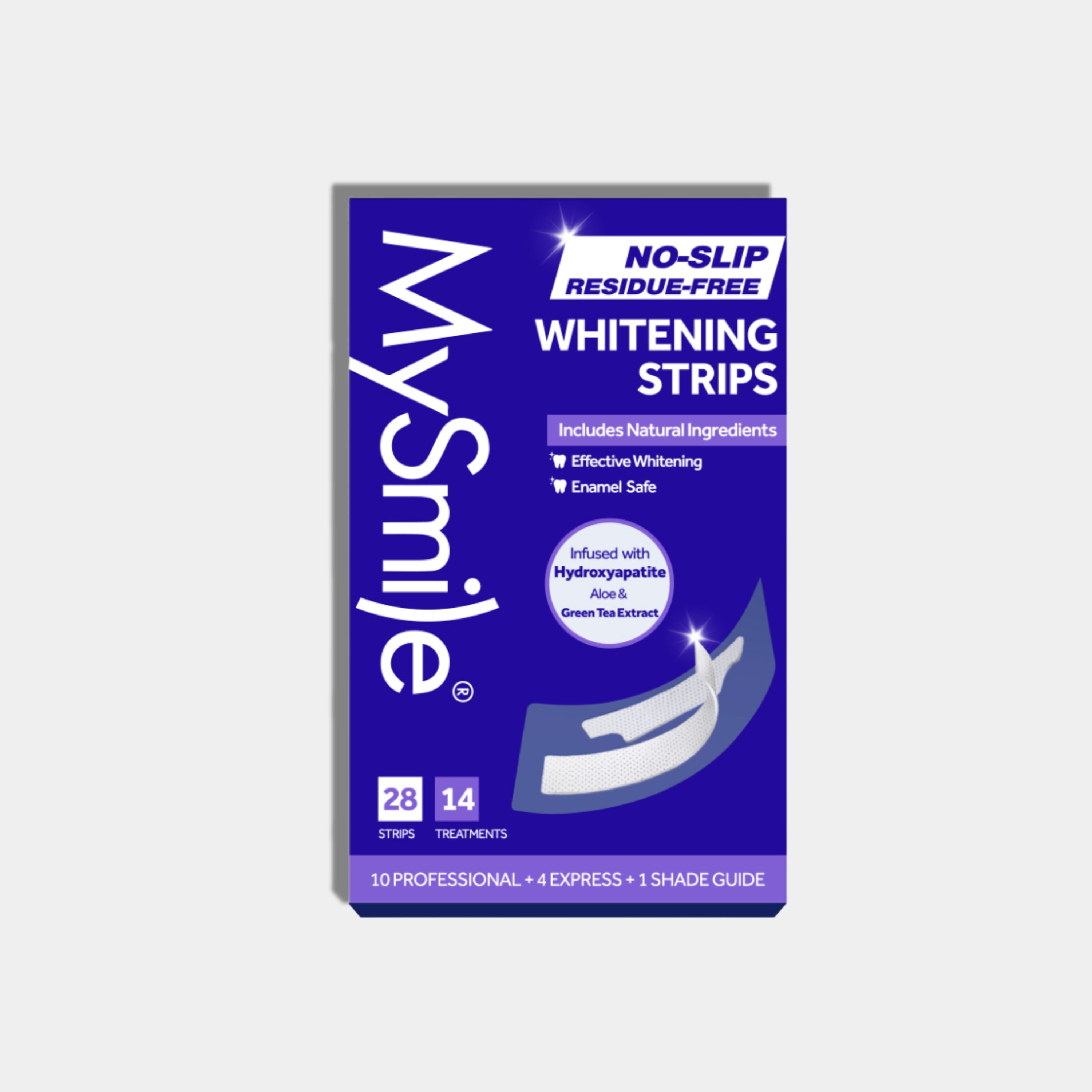
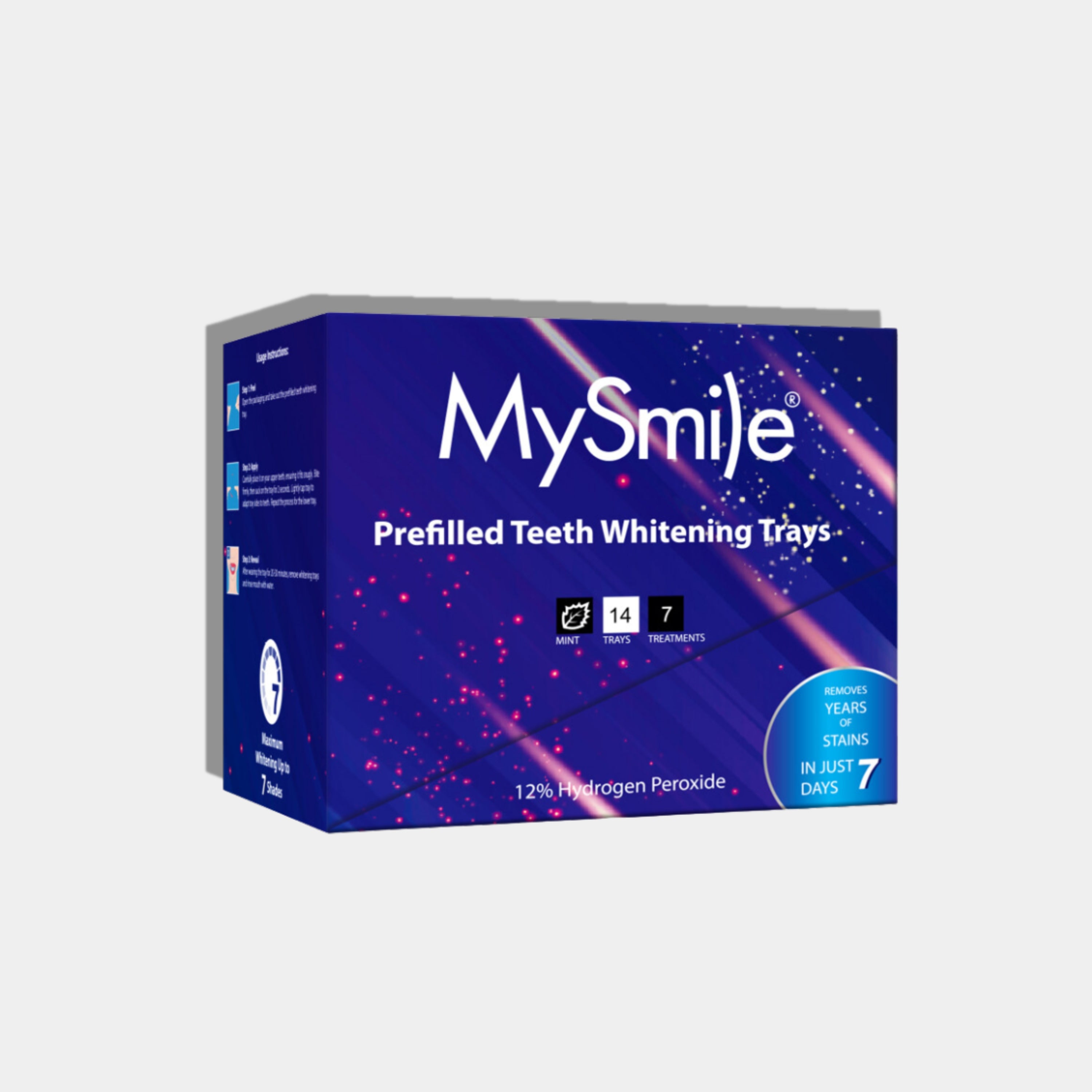
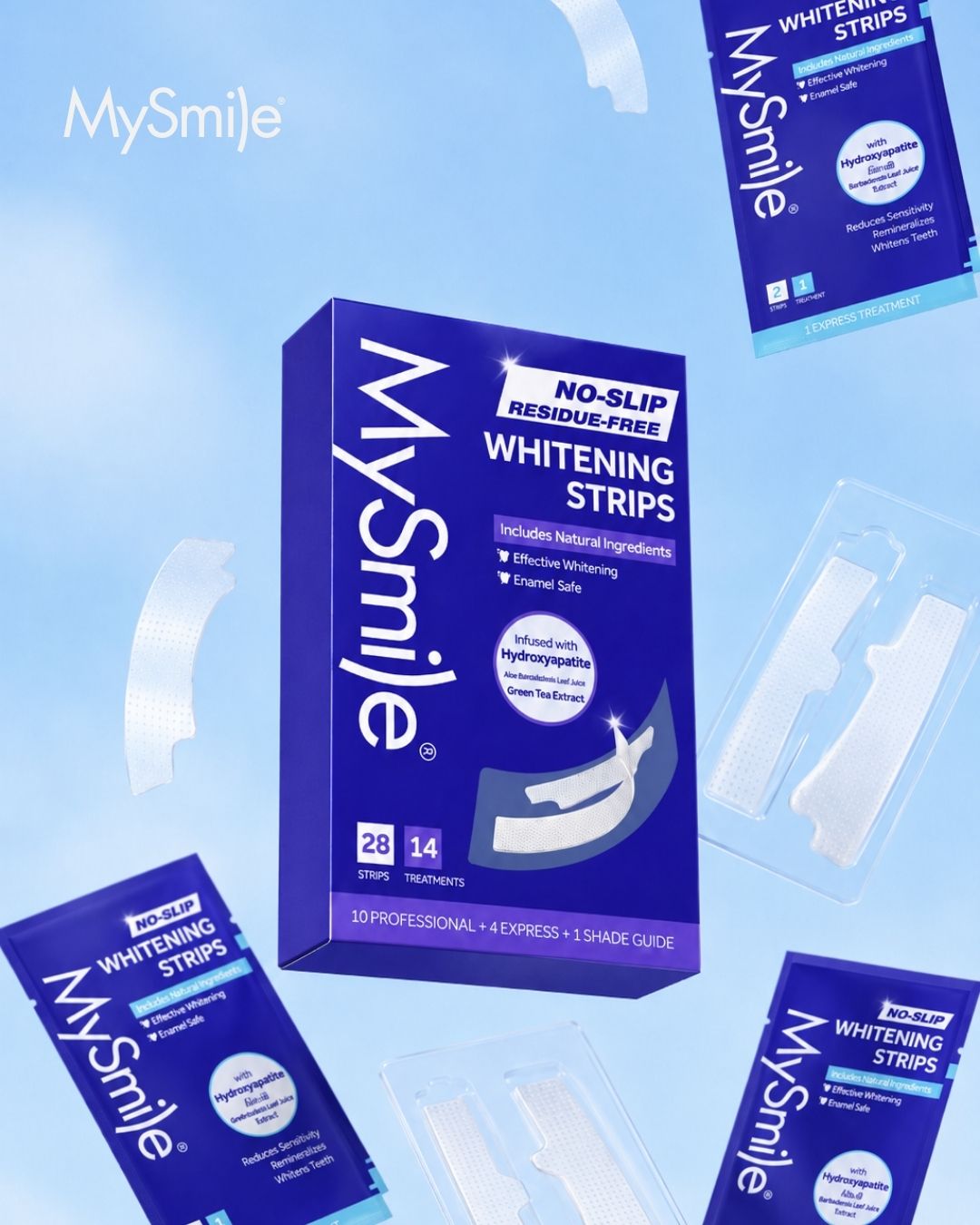
For a sensitivity-first routine, we recommend starting with MySmile Teeth Whitening Strips with Natural Ingredients. The peroxide-powered strips are formulated with hydroxyapatite, aloe vera, and green tea, and they are designed to lift stains while being gentle on teeth and gums.
Each package includes two treatment types. If you are sensitivity-prone, start with the Professional Treatment strips. They use a lower dose of whitening gel for steadier results, while the Express Treatment contains a higher dose for faster whitening.
No whitening product can guarantee that every user will experience zero sensitivity. Starting with the gentler treatment and following the label gives you a more sensible baseline.
2. Never extend the recommended wear time
Leaving strips or gel on longer than directed is one of the easiest ways to irritate your teeth and gums. It does not guarantee a whiter result.
Follow the instructions included with your specific product. For MySmile Whitening Strips, apply the strips evenly, keep them away from the gumline as much as possible, and remove them after the labeled treatment time. Do not fall asleep with whitening strips or a tray in place.
3. Do not stack multiple whitening treatments
Using whitening strips, whitening powder, a whitening pen, and a peroxide gel on the same day can overwhelm sensitive teeth. Pick one active whitening method and give it time to work.
A toothpaste may help remove surface buildup, while a peroxide whitening treatment changes the appearance of deeper stains. They do different jobs, so using every whitening product at once is unnecessary.
4. Build a sensitivity-conscious daily routine
Your regular oral-care routine matters between whitening sessions. Brush gently with a soft-bristled toothbrush, avoid scrubbing the gumline, and use a toothpaste intended for sensitivity support.
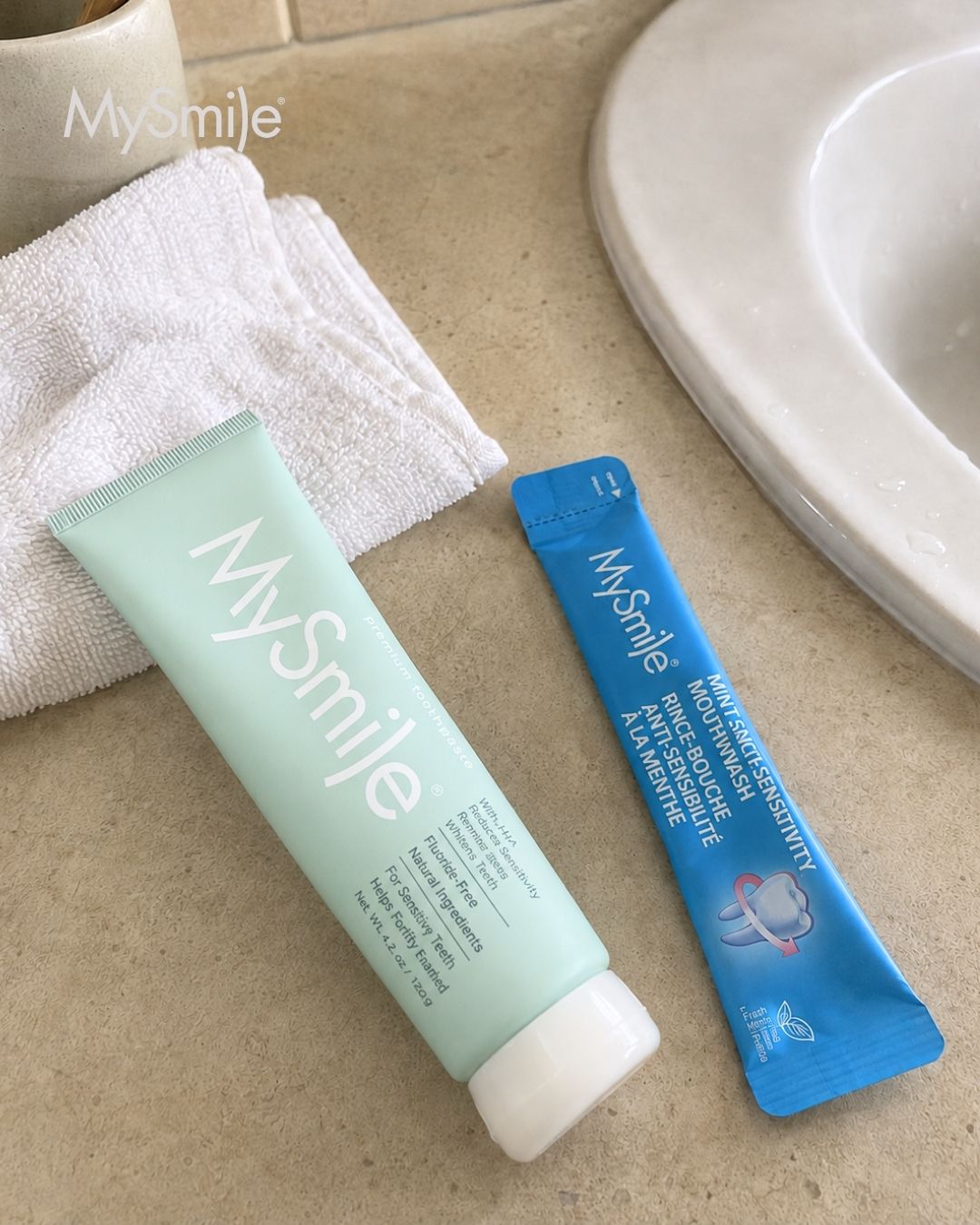
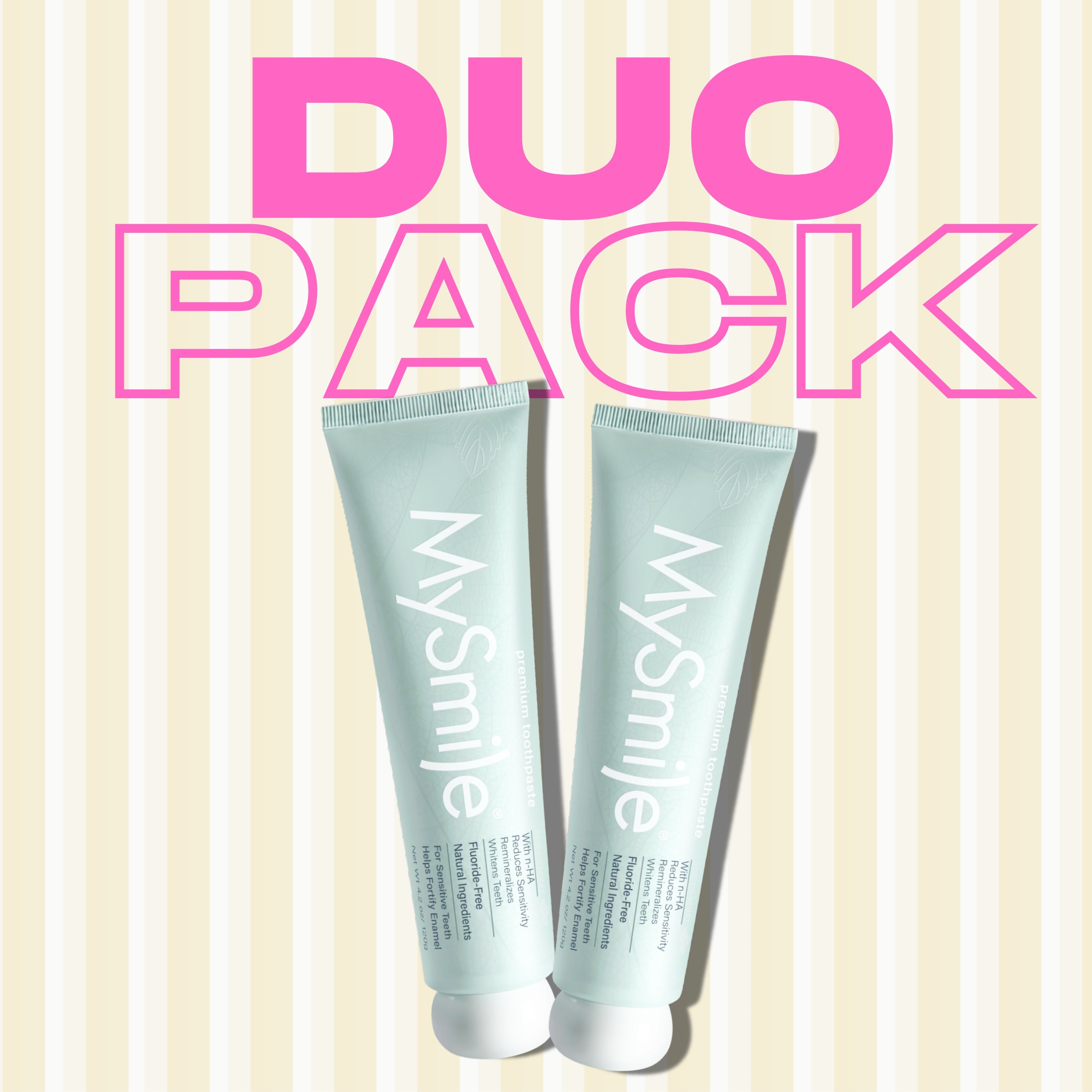
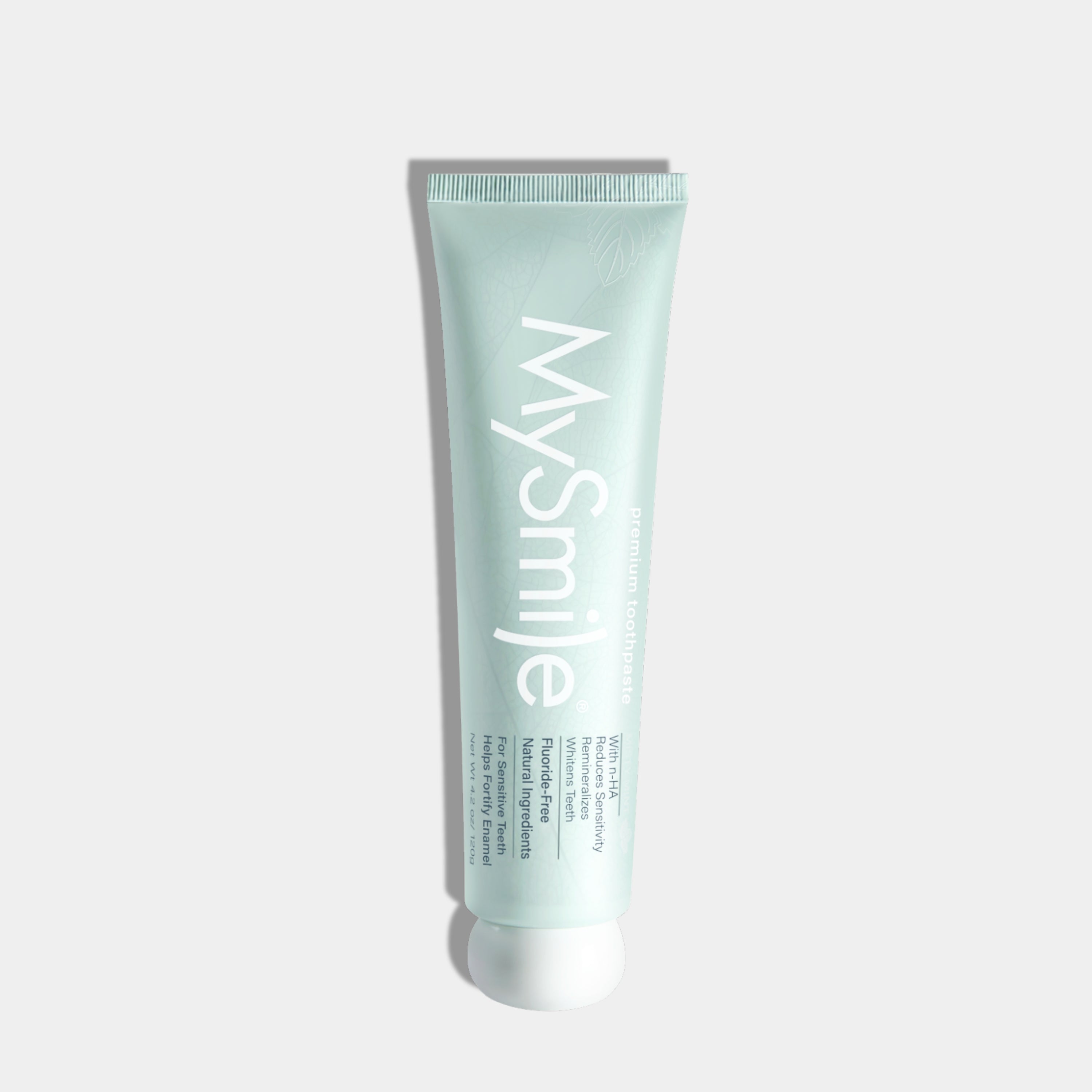
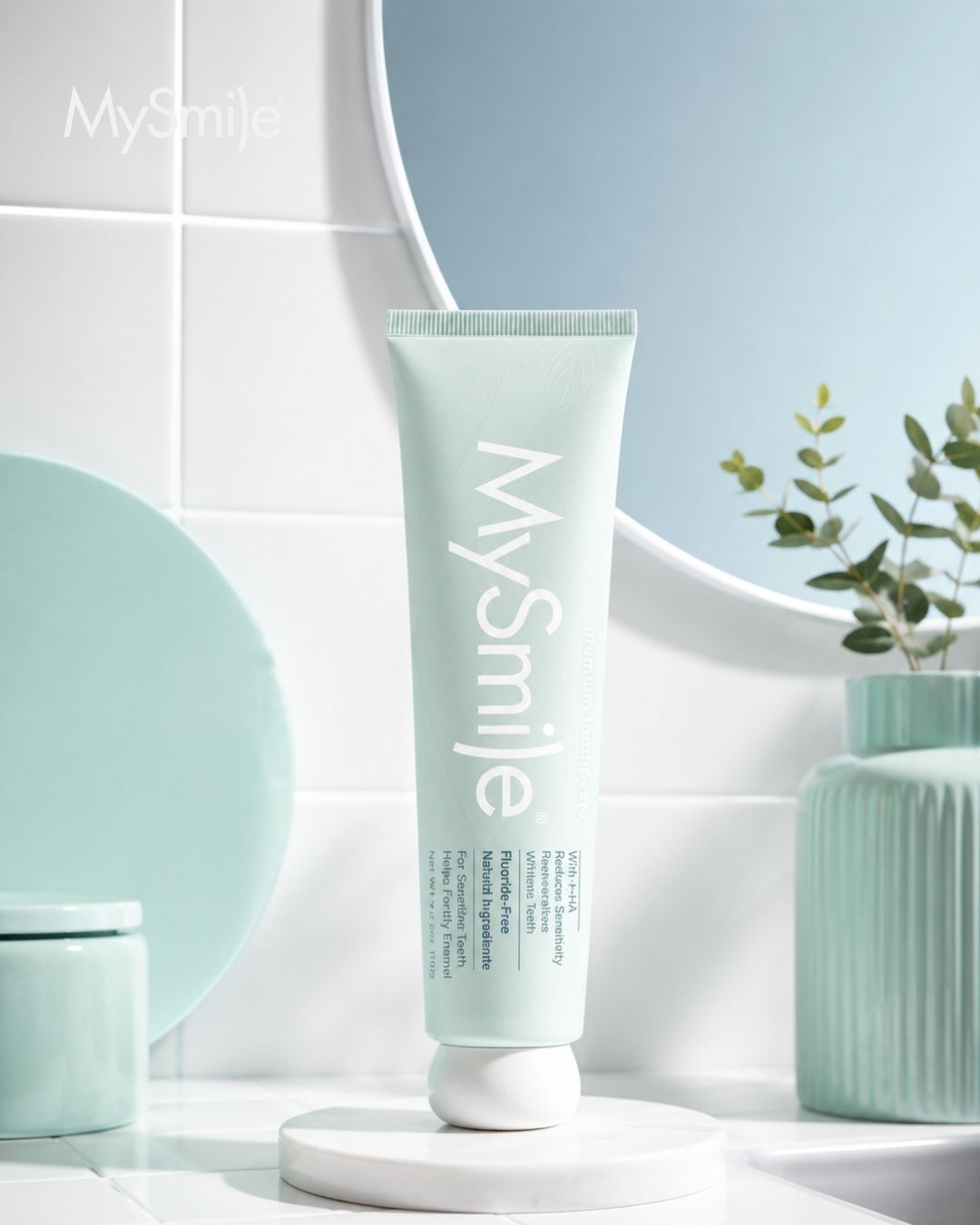
MySmile Nano-Hydroxyapatite Toothpaste for Sensitive Teeth is a fluoride- and SLS-free option formulated with nano-hydroxyapatite for sensitive teeth and everyday enamel care. Research summarized in a systematic review on hydroxyapatite oral-care products suggests hydroxyapatite-containing products may help reduce dentin hypersensitivity.
Use the toothpaste as directed: brush for two minutes, twice daily, and spit after brushing. Because individual cavity risk varies—and this toothpaste is fluoride-free—ask your dentist whether it is the right everyday formula for you.
5. Use less pressure, not more
Aggressive brushing can wear at the gumline and make sensitivity worse over time. Use a soft-bristled brush and light pressure. Clean every surface for two minutes, but let the bristles do the work.
Also avoid scrubbing immediately before applying a whitening treatment. If your gums are already irritated from brushing, contact with whitening ingredients may feel more uncomfortable.
6. Give your teeth a break if sensitivity appears
Mild, temporary sensitivity can happen even when a whitening product is used correctly. If you notice zingers, stop the treatment and allow your teeth to settle before considering another session.
Do not try to “push through” sharp pain in pursuit of faster results. Discontinue use and contact a dentist if sensitivity is intense, affects one specific tooth, persists, or is accompanied by gum burning or visible irritation.
7. Avoid temperature extremes right after whitening
Very cold water, ice cream, and steaming-hot drinks may feel more intense while your teeth are temporarily sensitive. Choose lukewarm water and room-temperature foods until your teeth feel normal again.
You can also help preserve your results by limiting stain-heavy foods and drinks after treatment. Coffee, tea, red wine, cola, and tobacco are common sources of external staining.
Which MySmile product is best for sensitive teeth?
Best overall: MySmile Teeth Whitening Strips with Natural Ingredients
Best for: Beginners, people who want a simple at-home routine, and sensitivity-prone users who want to start with the gentler Professional Treatment strips.
Why it fits this article: The strips combine peroxide whitening with hydroxyapatite, aloe vera, and green tea. They also offer a lower-dose Professional Treatment, making them the cleanest match for a sensitivity-first message.
Shop: MySmile Teeth Whitening Strips
Best supporting product: MySmile Nano-Hydroxyapatite Toothpaste
Best for: A gentle twice-daily routine before, during, and after a whitening course.
Why it fits this article: The formula is designed for sensitive teeth and contains nano-hydroxyapatite. It supports daily cleaning and surface care, but it should not be positioned as a replacement for peroxide-based bleaching when the goal is to change the intrinsic color of natural teeth.
Shop: MySmile Nano-Hydroxyapatite Toothpaste for Sensitive Teeth
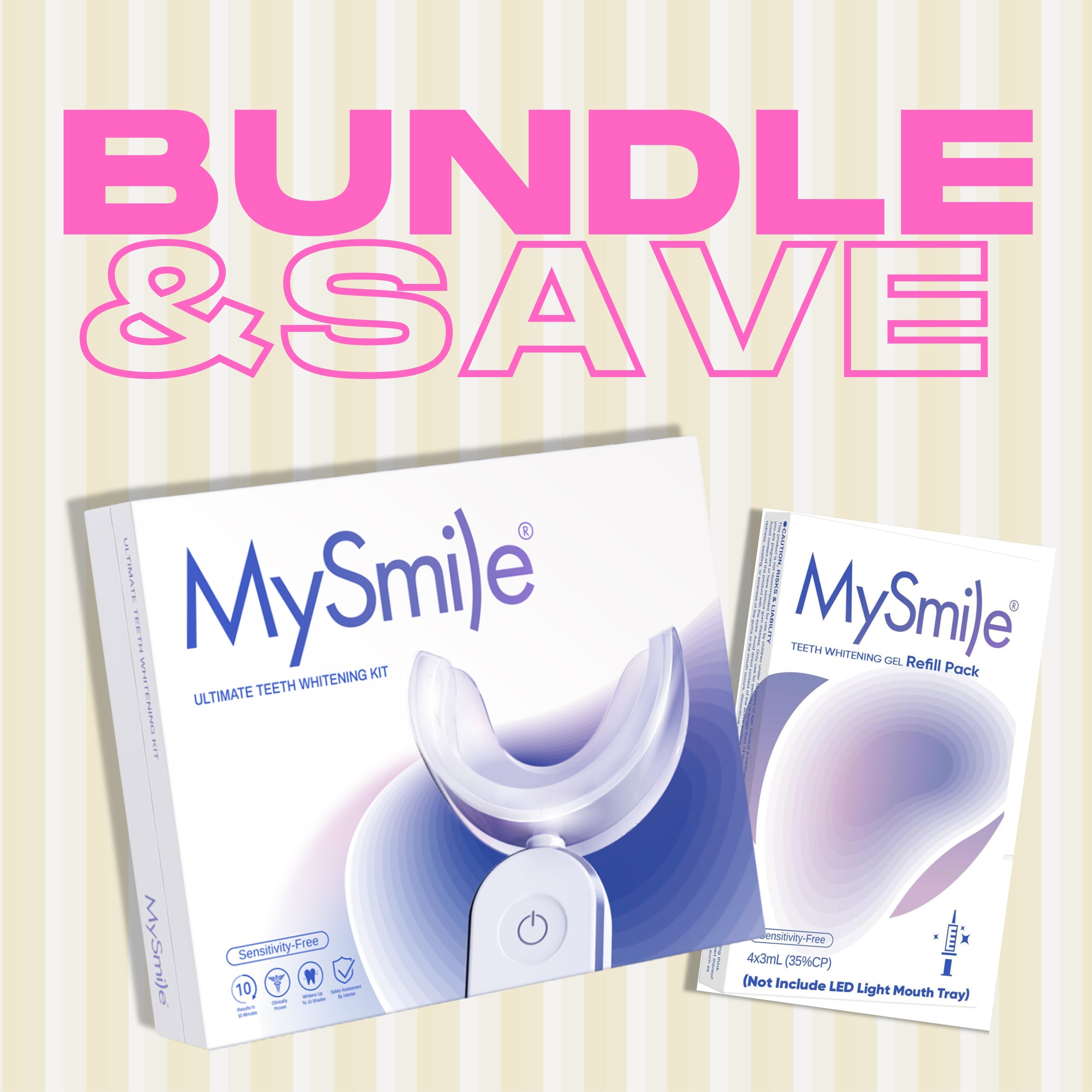
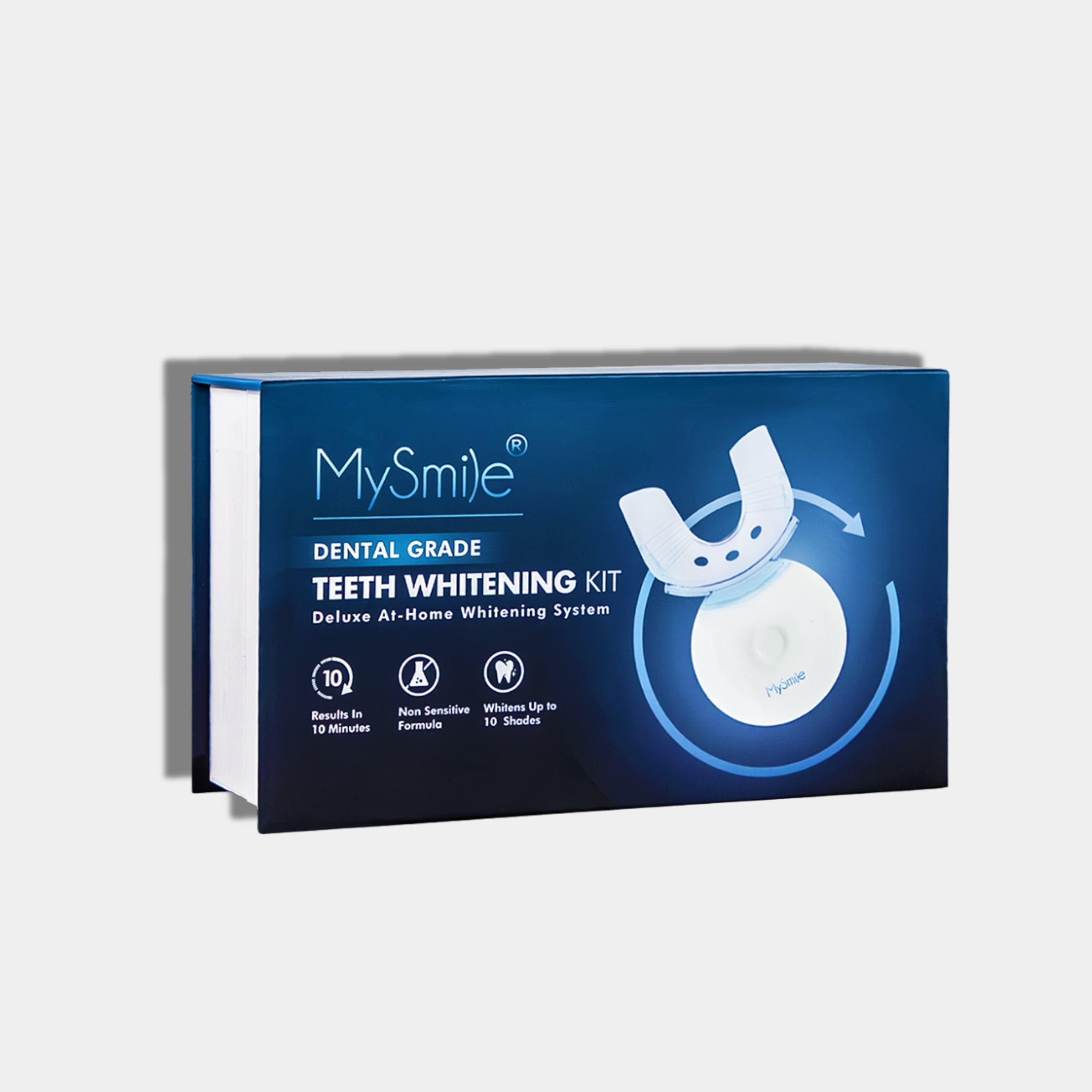
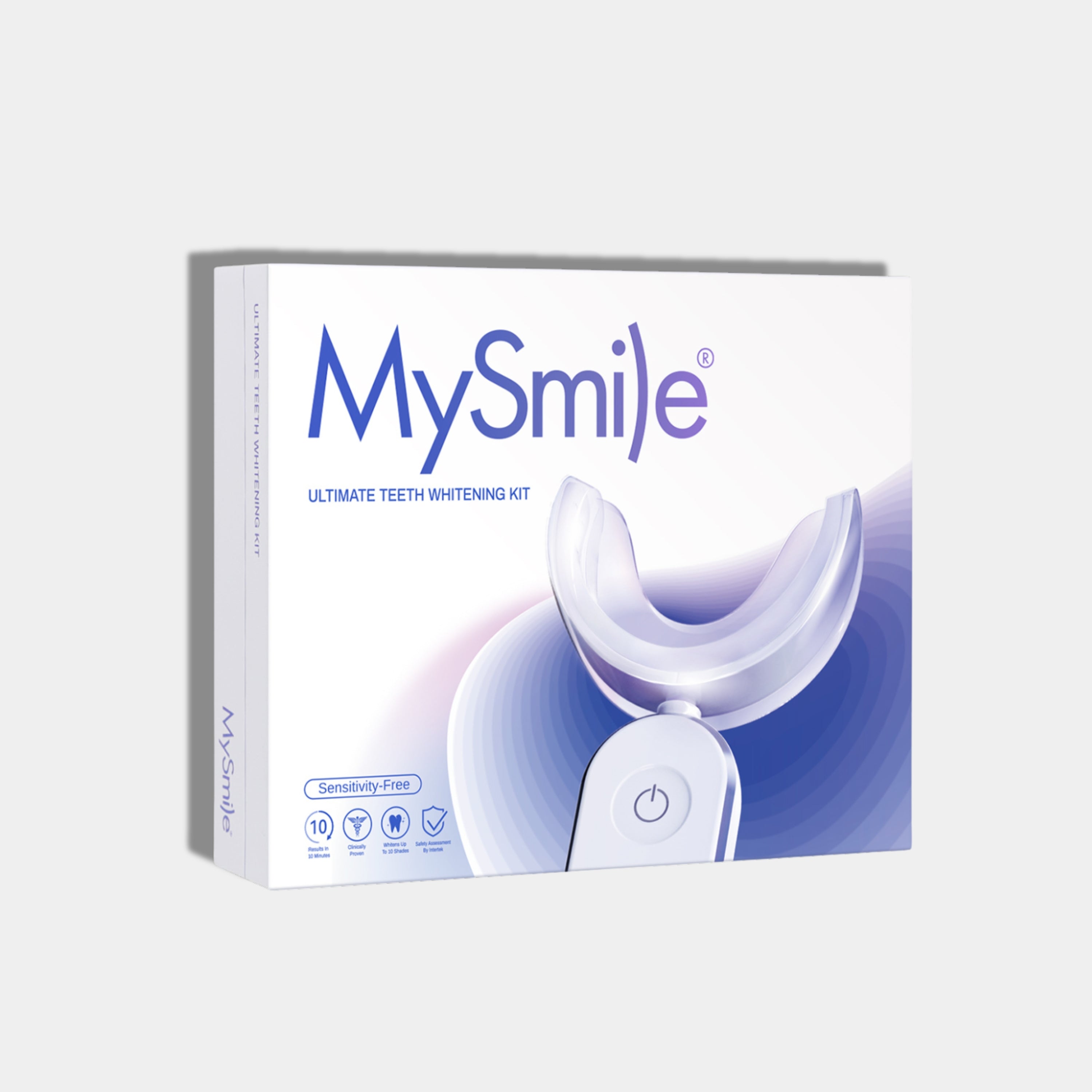
Alternative: MySmile Original 5X Teeth Whitening Kit with 18% CP Gel
Best for: People who prefer a tray-and-gel routine with a short, timed session.
Sensitivity note: Choose the 18% carbamide peroxide option, not the stronger 35% option, if sensitivity is a concern. Follow the included directions and stop if discomfort becomes more than mild or temporary.
Shop: MySmile Original 5X Teeth Whitening Kit
Whitening mistakes sensitive teeth will not forgive
-
Choosing the strongest option first: Higher peroxide concentrations may increase the likelihood or intensity of sensitivity.
-
Doubling the treatment time: Follow the label. Longer is not automatically better.
-
Using treatments back-to-back: More frequent exposure gives sensitive teeth less recovery time.
-
Letting gel sit on the gums: Apply products carefully and wipe away excess gel when relevant.
-
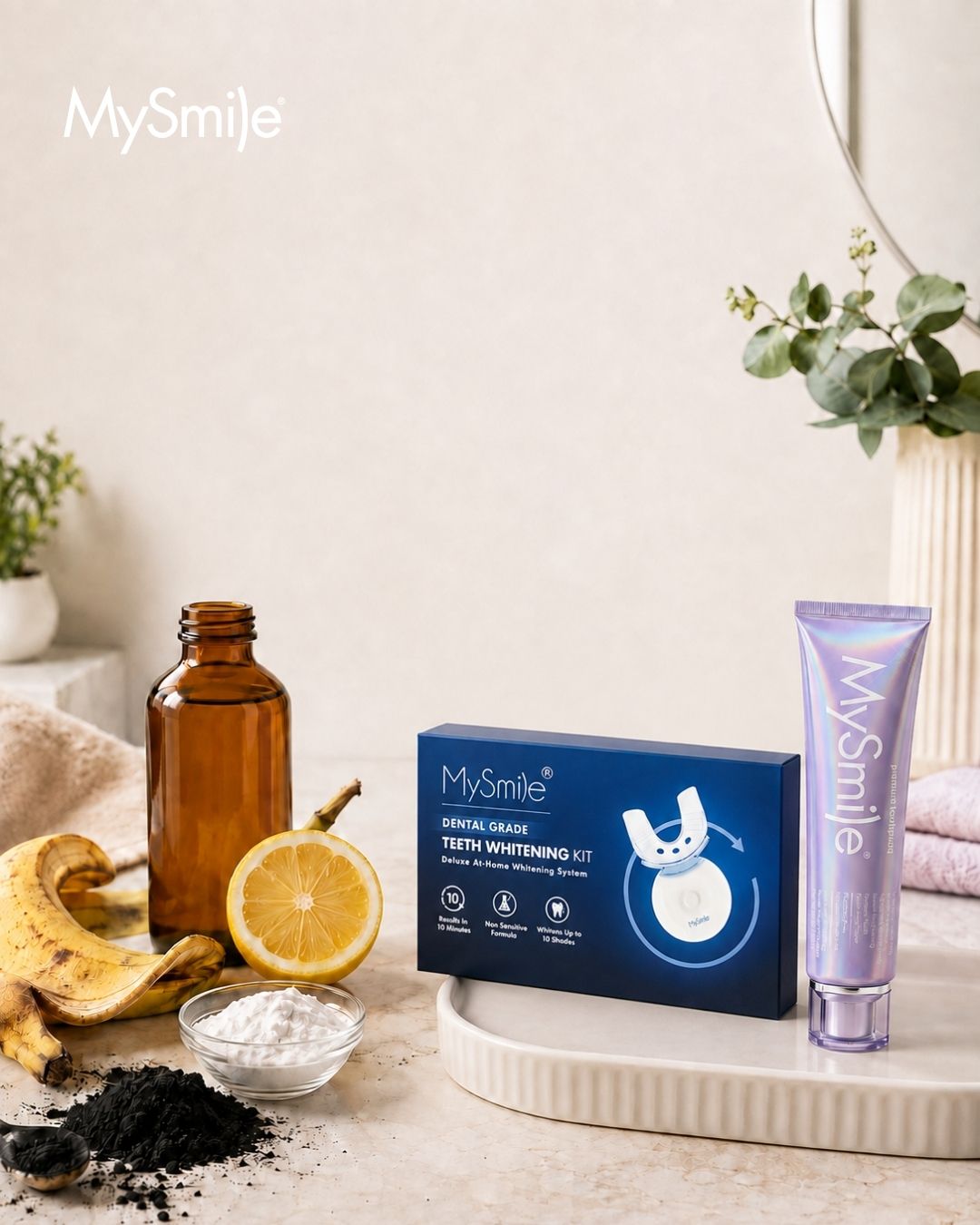
Trying acidic DIY hacks: Lemon juice, vinegar, and fruit mixtures can expose enamel to acid without delivering reliable whitening.
-
Using charcoal aggressively: Charcoal products may be abrasive, and evidence for meaningful whitening is limited.
-
Ignoring pain in one tooth: Localized pain deserves a dental evaluation, not another whitening session.
Frequently asked questions
What is the gentlest way to whiten sensitive teeth?
Start with a product intended for sensitive teeth, choose the lower-dose treatment when options are available, and never exceed the recommended wear time. MySmile’s Professional Treatment whitening strips are the most natural starting point within the MySmile lineup.
Does whitening toothpaste actually whiten teeth?
Whitening toothpaste mainly helps remove external surface stains. It generally does not bleach deeper discoloration the way peroxide strips or gels do. Think of toothpaste as daily stain maintenance, not a substitute for a whitening treatment.
Can nano-hydroxyapatite stop whitening sensitivity?
Hydroxyapatite toothpaste may help with dentin hypersensitivity as part of a consistent oral-care routine, but it cannot guarantee that peroxide whitening will cause no sensitivity. Whitening response varies by person, product concentration, contact time, and underlying dental health.
How long do whitening zingers last?
Whitening sensitivity is often temporary and may settle after treatment stops. Contact your dentist if the pain is severe, localized, persistent, or accompanied by gum irritation.
Can I whiten crowns, veneers, or fillings?
No. Whitening products change the color of natural teeth, not tooth-colored restorations. If restorations are visible when you smile, ask your dentist how whitening could affect your overall shade match.
A brighter smile should not become an endurance test
Sensitive teeth need a smarter approach, not an all-or-nothing one. Start gently, follow the treatment time, use only one active whitening method at a time, and pause if your teeth become uncomfortable.
Ready to begin with the most sensitivity-conscious option in the MySmile whitening lineup? Shop MySmile Teeth Whitening Strips with Natural Ingredients.
Results vary based on starting shade, stain type, dental health, habits, and product use. Tooth whitening may cause temporary sensitivity or gum irritation. This article is for general informational purposes and is not a substitute for diagnosis or treatment by a licensed dental professional. Consult a dentist before whitening if you have ongoing sensitivity, cavities, cracks, gum disease, extensive dental work, or other oral-health concerns.