
When it comes to oral care, one of the most common questions people ask is: Should you floss before or after brushing?
The short answer: Most dentists recommend flossing before brushing.
Understanding why this order matters can help improve your daily dental routine and keep your teeth and gums healthier long-term.
Why Flossing Before Brushing Is Better
Flossing first helps remove food particles, plaque, and bacteria trapped between teeth. These tight spaces are exactly where toothbrush bristles struggle to reach.
When you floss before brushing, you loosen debris and plaque that have built up between your teeth. After that, brushing can more effectively clean those areas and remove remaining bacteria.
This simple change in routine can make a surprisingly big difference in your overall oral hygiene.
What Happens When You Floss First
When flossing comes before brushing, it prepares your mouth for a deeper clean.
Here’s why this sequence works so well:
1. Plaque Gets Loosened First
Floss dislodges plaque and food debris stuck between teeth and along the gumline.
2. Brushing Removes the Remaining Bacteria
Once plaque is loosened, your toothbrush can more easily sweep it away.
3. Fluoride Reaches Between Teeth
Toothpaste contains fluoride that strengthens enamel. Flossing first opens the spaces between teeth so fluoride can reach areas that are normally blocked by plaque.
Benefits of Flossing Before Brushing
Following this order offers several advantages for your oral health:
-
Better plaque removal between teeth
-
Improved fluoride exposure in tight spaces
-
Healthier gums with less inflammation
-
Fresher breath by removing trapped debris
-
Lower risk of cavities forming between teeth
These benefits are especially important because many cavities start in areas that toothbrushes can’t reach.
Is It Bad to Floss After Brushing?
Not necessarily.
The most important factor is flossing daily, regardless of when you do it. If flossing after brushing helps you stay consistent, that’s still beneficial.
However, if you want to maximize cleaning efficiency, flossing before brushing is generally the better approach.
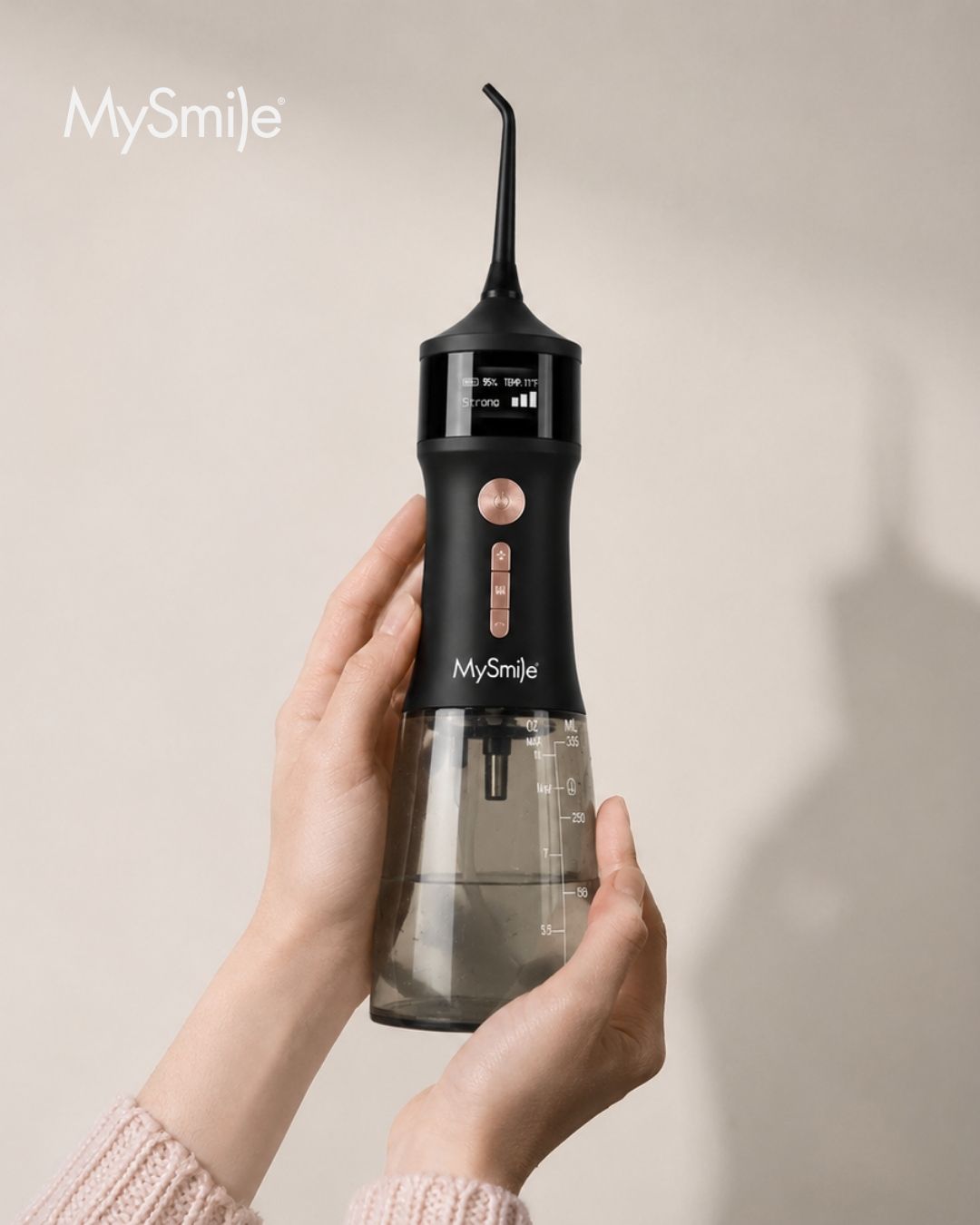
Making Flossing Easier with a Water Flosser
Traditional string floss works well, but many people find it uncomfortable or difficult to use consistently.
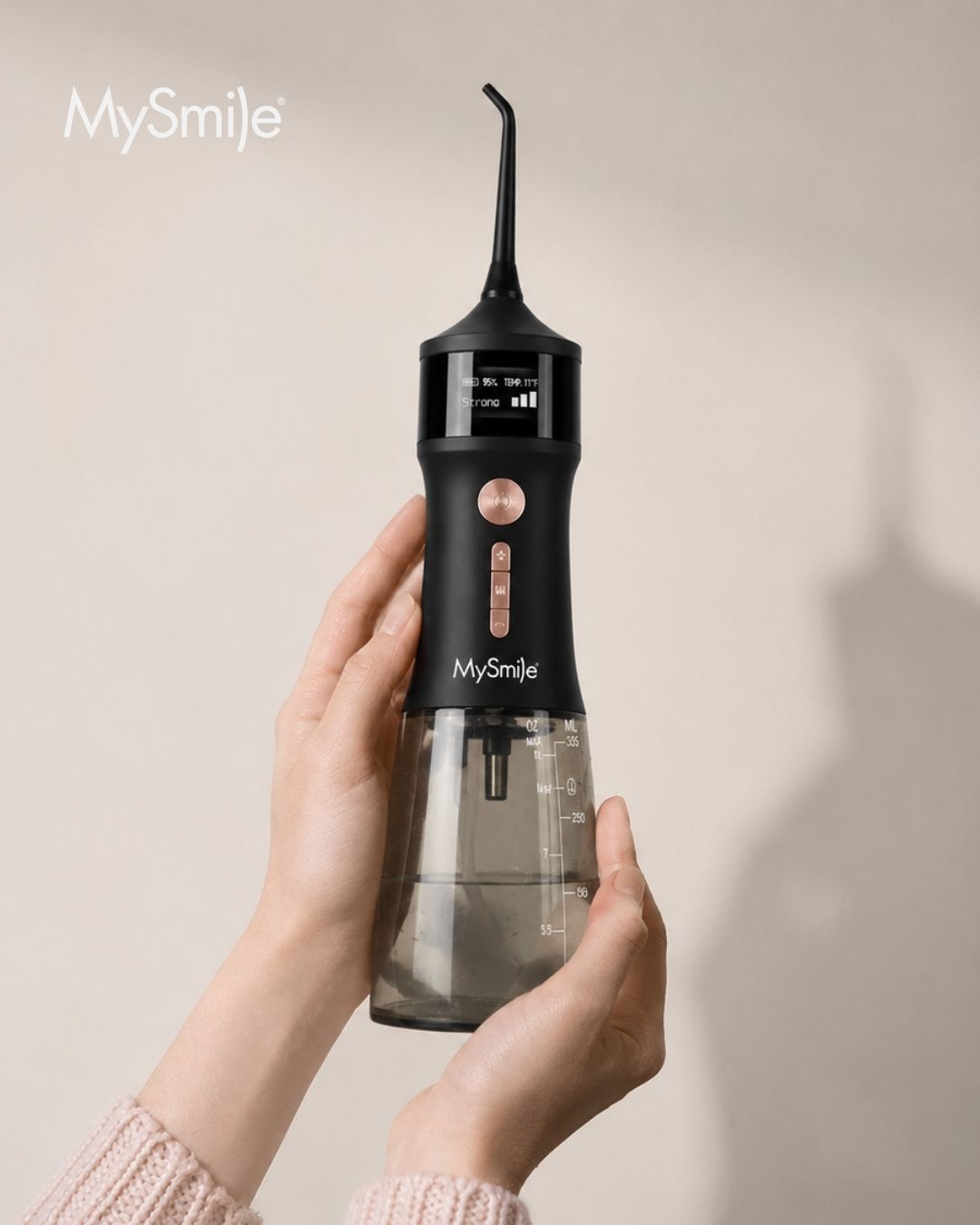
A water flosser can make flossing easier by using a pressurized stream of water to remove plaque and food debris from between teeth and below the gumline.
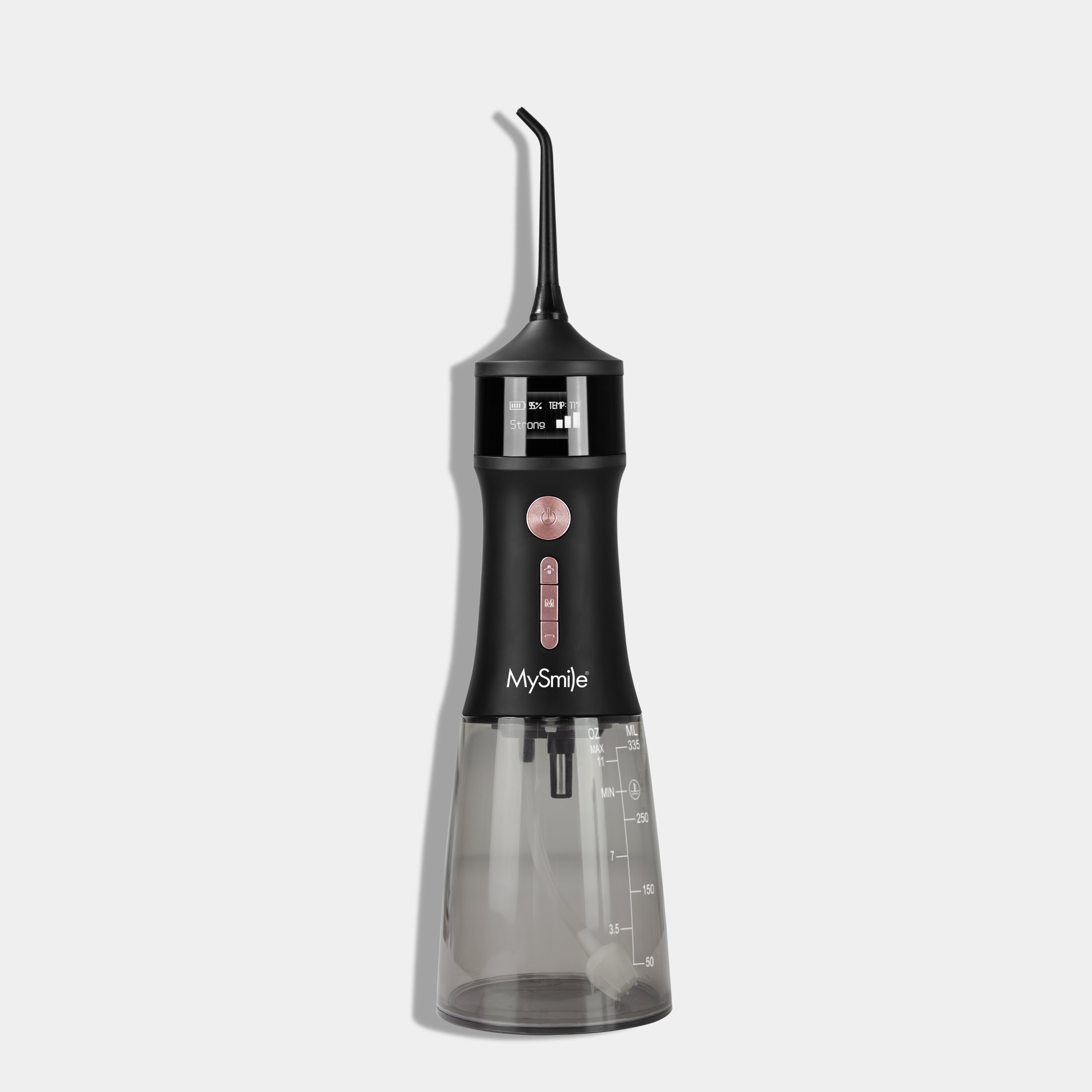
Devices like the MySmile LP211 Water Flosser are designed to:
-
clean hard-to-reach spaces between teeth
-
gently massage gums to support gum health
-
remove plaque and trapped food particles
-
provide an easier alternative for people who dislike string floss
Because water flossers are quick and comfortable to use, they can help people build a more consistent daily flossing habit, which is the most important part of oral care.
Simple Daily Oral Care Routine
A dentist-recommended routine often looks like this:
-
Floss first (string floss or water flosser)
-
Brush for two minutes with fluoride toothpaste
-
Rinse if needed or use mouthwash
-
Repeat twice daily
This routine helps ensure plaque is removed effectively while fluoride protects your enamel.
The Bottom Line
So, should you floss before or after brushing?
Most dental professionals recommend flossing before brushing because it loosens plaque and allows toothpaste fluoride to reach between teeth more effectively.
But the real key to healthier teeth and gums is simple:
Floss every day.
Whether you use traditional floss or a water flosser like the MySmile LP211 Water Flosser, staying consistent with your oral care routine is what keeps your smile clean, healthy, and fresh.