
Choosing a retainer cleaner can be surprisingly confusing. Some products use cleaning tablets, some use ultrasonic sound waves, some include UVC light, and others are simply soaking containers with a timer. The right option depends on what you wear, how often you clean it, how much hands-on work you want to do, and whether the cleaner is compatible with your appliance.
The short answer: The best retainer cleaner is easy enough to use consistently, large enough to fit your appliance without bending it, compatible with its material, and supported by clear instructions. For a hands-off routine, look for a purpose-built ultrasonic cleaner with simple cycles, automatic shutoff and convenient charging. UVC can be a useful additional feature, but it does not replace the physical removal of residue.
This guide explains how to compare retainer-cleaning methods, which features genuinely matter, what to avoid, and where the MySmile MS208 UVC Ultrasonic Cleaner fits into a practical daily routine.
Why Does Your Retainer Need a Cleaning Routine?

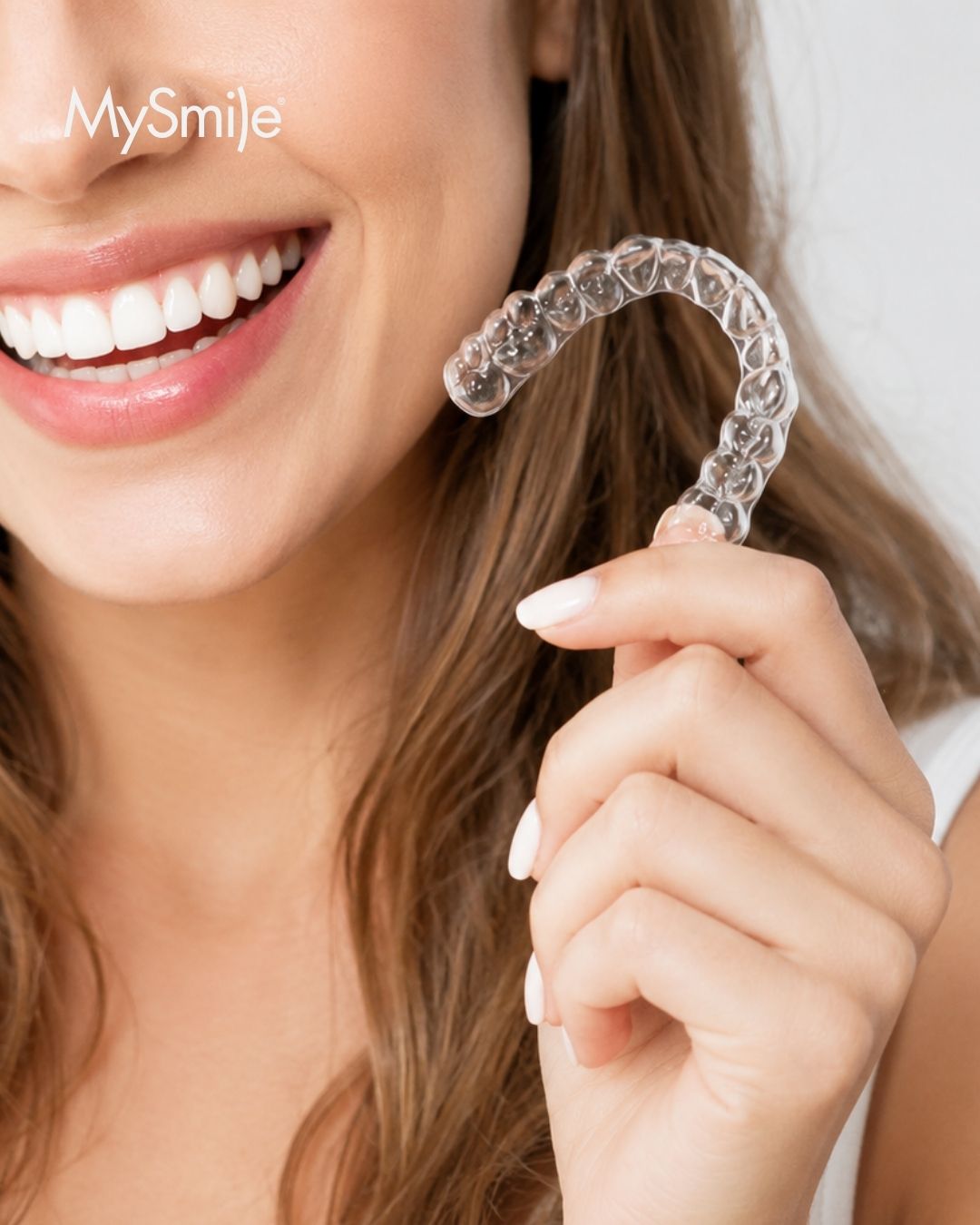
Removable retainers, clear aligners, night guards and mouth guards spend hours in contact with saliva and the surfaces of your teeth. Over time, residue and biofilm can collect around curved edges, grooves, attachment areas and other places that are easy to miss with a quick rinse.
The American Association of Orthodontists recommends rinsing removable retainers when they are removed, cleaning them regularly, avoiding hot water and using cleaning aids that are appropriate for the appliance. It also notes that ultrasonic retainer cleaners can be part of a long-term cleaning routine.
Consistency matters more than waiting for a dramatic deep clean after buildup has already hardened. A short routine you will actually follow is usually more useful than a complicated method that gets skipped.
Retainer-Cleaning Methods Compared
Before buying a retainer cleaner machine, it helps to understand what each cleaning method does. They are not always interchangeable, and some people use more than one method.
| Cleaning method | Best for | Main advantage | What to consider |
|---|---|---|---|
| Rinsing and gentle brushing | Basic daily maintenance | Affordable and easy to start | Technique matters; aggressive brushing or abrasive toothpaste may scratch some clear materials |
| Retainer-cleaning tablets | Soaking, freshening and travel | Simple and portable | Check material compatibility, soak time and ingredient directions; rinse thoroughly |
| Ultrasonic cleaner | Hands-off cleaning around grooves and curves | Uses water movement and cavitation to loosen residue | Results depend on the device, cycle, cleaning medium and type of buildup |
| Ultrasonic cleaner with UVC | People who want ultrasonic cleaning plus a light-assisted feature | Combines two functions in one device | UVC is an additional feature, not a substitute for rinsing or removing visible residue |
A balanced routine may combine different methods. A 2026 laboratory study published in BMC Oral Health found that brushing was highly effective against the tested Streptococcus mutans biofilm, while ultrasonic cleaning produced partial biofilm reduction.
The study also found that brushing increased surface roughness in the thermoplastic material being tested. Because this was a laboratory study using a specific aligner material and cleaning setup, it should not be treated as proof that one method is universally best.
It does support a practical conclusion: ultrasonic cleaning is best viewed as a convenient part of a complete routine—not permission to ignore rinsing, appliance instructions or occasional gentle manual care.
How to Choose a Retainer Cleaner: 9 Features to Compare
1. Start With Your Appliance Type
First, confirm what you will be cleaning. A clear plastic retainer, Hawley retainer with a metal wire, clear aligner, night guard, mouth guard and denture may have different care requirements.
Look for a cleaner that explicitly lists your appliance type. If your orthodontist or appliance manufacturer provides special instructions, those instructions should take priority. This is especially important for appliances with metal parts, soft liners, repairs, decorative elements or delicate coatings.
The MySmile MS208 is designed for:
-
Retainers
-
Clear aligners
-
Dentures
-
Mouth guards
-
Night guards
-
Certain jewelry and small personal items
Always check the care instructions for the individual item before placing it in any cleaning machine.
2. Understand What “Ultrasonic” Actually Means
An ultrasonic retainer cleaner sends high-frequency sound waves through water. This creates microscopic bubbles that rapidly form and collapse—a process known as cavitation.
The movement helps loosen residue from surfaces, edges and small spaces that can be difficult to reach evenly by hand.
“Ultrasonic” does not automatically mean that every model performs identically. Cleaning performance can be influenced by:
-
Ultrasonic frequency and power
-
Cycle length
-
Tank shape and size
-
The cleaning liquid used
-
The appliance material
-
The type and age of the buildup
Instead of choosing a cleaner based on one impressive-looking number, look for a device designed for dental appliances and supported by clear usage instructions.
Want a deeper explanation? Read our complete 2026 guide to ultrasonic cleaners for retainers and night guards.
3. Treat UVC as an Extra Feature—not the Whole Cleaning Process
Ultrasonic cleaning and UVC light perform different jobs.
Ultrasonic action helps loosen and move residue using water and cavitation. UVC is a light-assisted feature included in some retainer cleaners. UVC light does not physically remove film, food particles or mineral deposits by itself.
If you want both functions, choose a combination device with a closed lid and clear operating instructions.
Be cautious about assuming that every UV-branded cleaner completely sterilizes an appliance. Specific sterilization or bacteria-removal claims should be supported by testing for the exact device, light dose, cycle and organism involved.
The MySmile MS208 combines ultrasonic and UVC functions in one compact unit, making it a convenient option for shoppers who want both features without purchasing two separate devices.
4. Compare Cycle Times and Controls
A retainer cleaner only helps if it fits your schedule. Look for controls that are easy to understand, a visible timer when possible, and an automatic stop so you do not need to watch the device.
Short cycles are useful for daily maintenance, while a longer cycle may be convenient when an appliance needs extra attention. However, longer is not automatically better. Always follow the directions for both the machine and your dental appliance.
The MySmile MS208 offers simple controls and automatic cleaning cycles, making it easier to add retainer cleaning to a morning or evening routine.
5. Make Sure the Tank Fits Your Appliance
Your retainer or guard should sit naturally in the tank and remain submerged to the recommended fill line.
A tank that is too small can leave part of the appliance above the water or force it into an awkward position. Before purchasing a retainer cleaner, compare the tank with your widest appliance—especially if you wear a bulky sports guard, full denture or unusually large night guard.
Never bend or compress a dental appliance to make it fit inside a cleaning tank.
6. Check What Liquid the Device Uses
For everyday ultrasonic cleaning, plain cool or lukewarm water is often the simplest option. MySmile MS208 product guidance states that water can be used for daily cleaning and that tablets are optional when a deeper cleaning routine is desired.
If you use a tablet, choose one labeled for your appliance and compatible with the machine. Follow the stated dose and soaking time, and rinse the appliance thoroughly afterward.
MySmile’s Retainer Cleaner Tablets are designed for retainers, aligners, mouth guards and night guards. They can be considered when you want to add a cleaning solution to your routine.
Do not improvise with:
-
Bleach
-
Boiling water
-
Harsh household chemicals
-
Abrasive cleaning powders
-
Strong alcohol-based mouthwash
-
Random combinations of cleaning products
Research has shown that cleaning solutions can affect different aligner materials differently, which is why compatibility matters. A 2022 study published in Progress in Orthodontics advised caution when selecting aligner cleansers after observing material-dependent changes under its testing conditions.
7. Consider Cordless Use, Charging and Travel
If the cleaner will stay beside one bathroom sink, a corded unit may be acceptable. If you share a bathroom, travel frequently or want a cleaner that can move between your counter and nightstand, a rechargeable cordless model offers more flexibility.
The MS208 is compact, cordless and USB-C rechargeable. This makes it easier to use around the home or pack for longer trips without requiring a dedicated wall outlet during every cycle.
For shorter trips, cleaning tablets and a ventilated retainer case may be more convenient. For longer trips, a compact rechargeable machine can help you maintain the same routine you follow at home.
8. Look for Easy Maintenance
The retainer-cleaning machine also needs to be cleaned.
A smooth tank is generally easier to empty and wipe than a complicated interior with multiple seams. After each use:
-
Discard the used water.
-
Rinse the tank as directed.
-
Wipe away visible residue.
-
Leave the unit open long enough to dry.
-
Clean and dry the retainer case regularly.
Leaving old water sitting inside the cleaner can undermine the fresh routine you are trying to create.
9. Review Instructions, Warranty and Product Claims
Choose a product page that clearly explains:
-
What the device can clean
-
How long its cycles take
-
Whether tablets are required
-
How the battery is charged
-
How to maintain the tank
-
What warranty applies
Be cautious with unsupported promises such as “complete sterilization,” “removes every stain” or “replaces brushing forever.”
The MySmile MS208 provides guidance on appliance compatibility, cycle options, charging and optional tablet use. It is also covered by MySmile’s one-year warranty.
Those practical details are often more valuable than an exaggerated marketing headline.
Who Is an Ultrasonic Retainer Cleaner Best For?

An ultrasonic retainer cleaner may be a good choice if you:
-
Wear a removable retainer, clear aligner, night guard or mouth guard regularly.
-
Find it difficult to clean curved edges and grooves evenly by hand.
-
Want a repeatable, mostly hands-off cleaning routine.
-
Prefer to use plain water for many daily cycles.
-
Want one compact device for several compatible dental appliances.
-
Frequently forget or avoid cleaning because manual scrubbing feels inconvenient.
A machine may be less useful if you rarely wear a removable appliance, do not have room to store it, or have an appliance whose provider advises against ultrasonic cleaning.
Fixed or bonded retainers cannot be placed in a countertop cleaner. They must be cleaned inside the mouth using the method recommended by your dentist or orthodontist.
How the MySmile MS208 Fits the Buyer Checklist
The MySmile MS208 UVC Ultrasonic Cleaner is designed to make regular appliance care feel more automatic.
Its buyer-friendly features include:
-
Ultrasonic and UVC in one device: Combines water-based ultrasonic action with an additional light-assisted function.
-
Broad appliance compatibility: Designed for retainers, clear aligners, dentures, mouth guards and night guards.
-
Simple operation: Clear controls and automatic cycles make the routine easier to repeat.
-
Multiple cleaning options: Select a cycle based on your regular or deeper-cleaning needs.
-
Water-first flexibility: Plain water works for daily cleaning, while a compatible tablet can be added when desired.
-
Cordless design: The machine does not need to remain connected to a power outlet while running.
-
USB-C rechargeable: Convenient for home and travel.
-
Compact format: Suitable for a bathroom counter, nightstand or travel bag.
-
One-year warranty: Added support after purchase.
Best for: Someone who wants a convenient retainer cleaner machine with ultrasonic and UVC functions, simple controls and travel-friendly charging.
Shop the MySmile MS208 UVC Ultrasonic Cleaner →
How to Use an Ultrasonic Retainer Cleaner
Follow the instructions supplied with your machine and dental appliance. A typical routine includes the following steps:
-
Rinse your retainer or removable appliance under cool or lukewarm water.
-
Fill the cleaner with fresh water to the marked fill line.
-
If desired, dissolve a compatible retainer-cleaning tablet according to its directions.
-
Place the appliance inside the tank without bending or forcing it.
-
Make sure the appliance is appropriately submerged.
-
Close the lid and choose the recommended cleaning cycle.
-
Allow the cycle to stop automatically.
-
Remove the appliance and rinse it thoroughly under running water.
-
Let the appliance air-dry completely before placing it in a clean case.
-
Empty and rinse the tank, then allow the device to dry.
Never use hot or boiling water, which may warp some plastic appliances. Avoid abrasive toothpaste, bleach and harsh household cleaners unless your orthodontist and appliance instructions specifically approve them.
Common Retainer-Cleaning Mistakes to Avoid
Waiting for Visible Buildup
Regular maintenance is easier than trying to remove hardened deposits later. Clean your retainer consistently instead of waiting until it looks cloudy or develops an odor.
Using Very Hot Water
Heat may distort some plastic retainers and aligners, potentially changing their fit. Use cool or lukewarm water unless the appliance manufacturer says otherwise.
Scrubbing With Abrasive Toothpaste
Some toothpastes contain abrasive ingredients that may create small scratches in clear plastic. These scratches can affect clarity and make the surface more difficult to maintain.
Assuming UVC Removes Debris
UVC light does not physically remove food particles, film or mineral deposits. It should be treated as an additional feature rather than a replacement for ultrasonic action, rinsing and proper care.
Using an Incompatible Tablet
Not every cleaning tablet is suitable for every appliance or ultrasonic machine. Check both sets of instructions before combining them.
Reusing Dirty Water
Start each cleaning routine with fresh water. Do not leave old cleaning solution sitting inside the tank for the next cycle.
Storing the Appliance While Wet
Rinse and allow the appliance to air-dry before closing it inside a clean case. The case should also be cleaned and dried regularly.
Ignoring Changes in Fit
Cleaning cannot repair a warped, cracked or damaged retainer. If the appliance suddenly feels tight, loose, sharp or uncomfortable, contact your dentist or orthodontist.
Frequently Asked Questions
Do Ultrasonic Retainer Cleaners Really Work?
Ultrasonic cleaners use cavitation in water to loosen residue from surfaces and hard-to-reach areas. Research suggests ultrasonic cleaning can reduce biofilm, but results vary with the machine, cleaning medium, appliance material and type of buildup.
Ultrasonic cleaning is best used as part of a routine that also includes rinsing, drying and following your orthodontist’s instructions.
Is an Ultrasonic Cleaner Better Than Retainer-Cleaning Tablets?
They work differently.
An ultrasonic cleaner provides mechanical action through moving water, while tablets create a chemical cleaning solution. Plain water may be enough for regular ultrasonic maintenance, while compatible tablets can be added when the appliance needs extra freshening.
Some people use both methods together.
Is UVC Necessary in a Retainer Cleaner?
No. UVC is an optional additional feature, not the foundation of retainer care.
Effective cleaning still requires the removal of residue, proper rinsing, drying and safe storage. If you prefer a multi-function device, an ultrasonic cleaner with UVC can combine both features in one unit.
Can I Use Plain Water in the MySmile MS208?
Yes. According to the product guidance, water alone can be used for daily cleaning. A compatible cleaning tablet is optional when you want a deeper cleaning routine.
How Often Should I Clean My Retainer?
Rinse your retainer whenever you remove it and follow the cleaning schedule provided by your orthodontist.
The American Association of Orthodontists recommends regular daily care and periodic deeper cleaning. Your ideal schedule may depend on how long you wear the appliance and how quickly residue or odor develops.
Can an Ultrasonic Cleaner Damage a Retainer?
A purpose-built cleaner used according to its instructions is designed to clean compatible appliances gently. However, not every appliance material or repair is the same.
Check your appliance instructions, use cool or lukewarm water, avoid harsh chemicals and ask your orthodontist if you are unsure.
Can I Put Mouthwash in an Ultrasonic Retainer Cleaner?
Do not add mouthwash unless the cleaner and appliance instructions specifically state that it is compatible.
Mouthwash may contain alcohol, dyes, flavoring agents or other ingredients that can leave residue or affect certain appliance materials.
Will a Retainer Cleaner Remove Hard White Buildup?
It may help loosen light residue, but hardened mineral deposits may not disappear during one cleaning cycle.
Do not scrape the retainer with a sharp object. If the buildup remains, ask your dentist or orthodontist about professional cleaning or replacement.
Can I Use the MS208 for a Night Guard or Mouth Guard?
Yes. The MS208 product guidance lists night guards and mouth guards among its compatible uses.
Check the guard manufacturer’s care instructions first, especially for soft, layered, repaired or custom materials.
Final Verdict: What Is the Best Retainer Cleaner?
The best retainer cleaner is not simply the model with the longest feature list. It is the one that fits your appliance, provides clear instructions, uses a practical cleaning cycle and makes regular care easier to maintain.
For a low-cost routine, rinsing, careful brushing and compatible cleaning tablets may be enough.
For a more hands-off approach, a purpose-built ultrasonic cleaner can help reach curved surfaces and tight areas with less manual effort. If you also want a light-assisted feature, the MySmile MS208 combines ultrasonic and UVC functions in one compact, rechargeable device.
Whichever method you choose, remember the basics:
-
Use fresh cool or lukewarm water.
-
Avoid harsh chemicals and abrasive products.
-
Follow your appliance’s care instructions.
-
Rinse thoroughly after cleaning.
-
Allow the appliance to dry before storage.
-
Contact your orthodontist if it becomes cracked, warped, uncomfortable or difficult to clean.
Make retainer care easier with the MySmile MS208 →
References
-
American Association of Orthodontists. How to Clean Retainers: AAO’s Guide to Retainer Care. Updated June 5, 2025.
-
Hu J, Lei J, Yu J, et al. Effects of cleaning methods on the removal efficacy of Streptococcus mutans biofilm and material properties of thermoplastic aligner materials. BMC Oral Health. 2026;26:723.
-
Albanna RH, Farawanah HM, Aldrees AM. Microbial evaluation of the effectiveness of different methods for cleansing clear orthodontic retainers: a randomized clinical trial. The Angle Orthodontist. 2017;87(3):460–465.
-
Iliadi A, Enzler V, Polychronis G, Peltomäki T, Zinelis S, Eliades T. Effect of cleansers on the composition and mechanical properties of orthodontic aligners in vitro. Progress in Orthodontics. 2022;23(1):54.
This article is provided for general educational purposes and does not replace advice from your dentist or orthodontist. Always follow the care instructions supplied with your dental appliance.