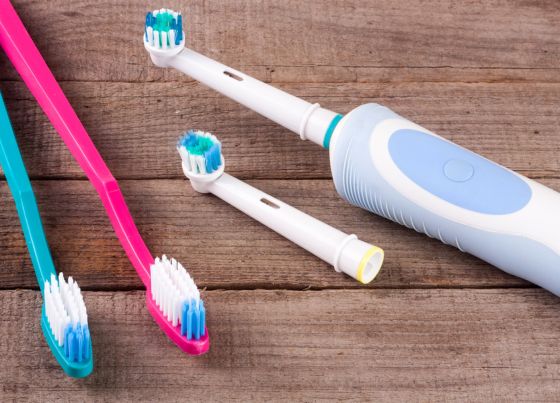


If you're using a sonic electric toothbrush, you're already taking an important step toward better oral health. But even the best toothbrush can't clean effectively forever. Over time, toothbrush bristles wear down, reducing their ability to remove plaque and protect your gums.
So, how often should you replace your sonic toothbrush head?
The short answer: Most dentists and the American Dental Association (ADA) recommend replacing your sonic toothbrush head every 3 months, or sooner if the bristles become frayed or damaged. Replacing your brush head regularly helps maintain optimal cleaning performance and supports healthier teeth and gums.
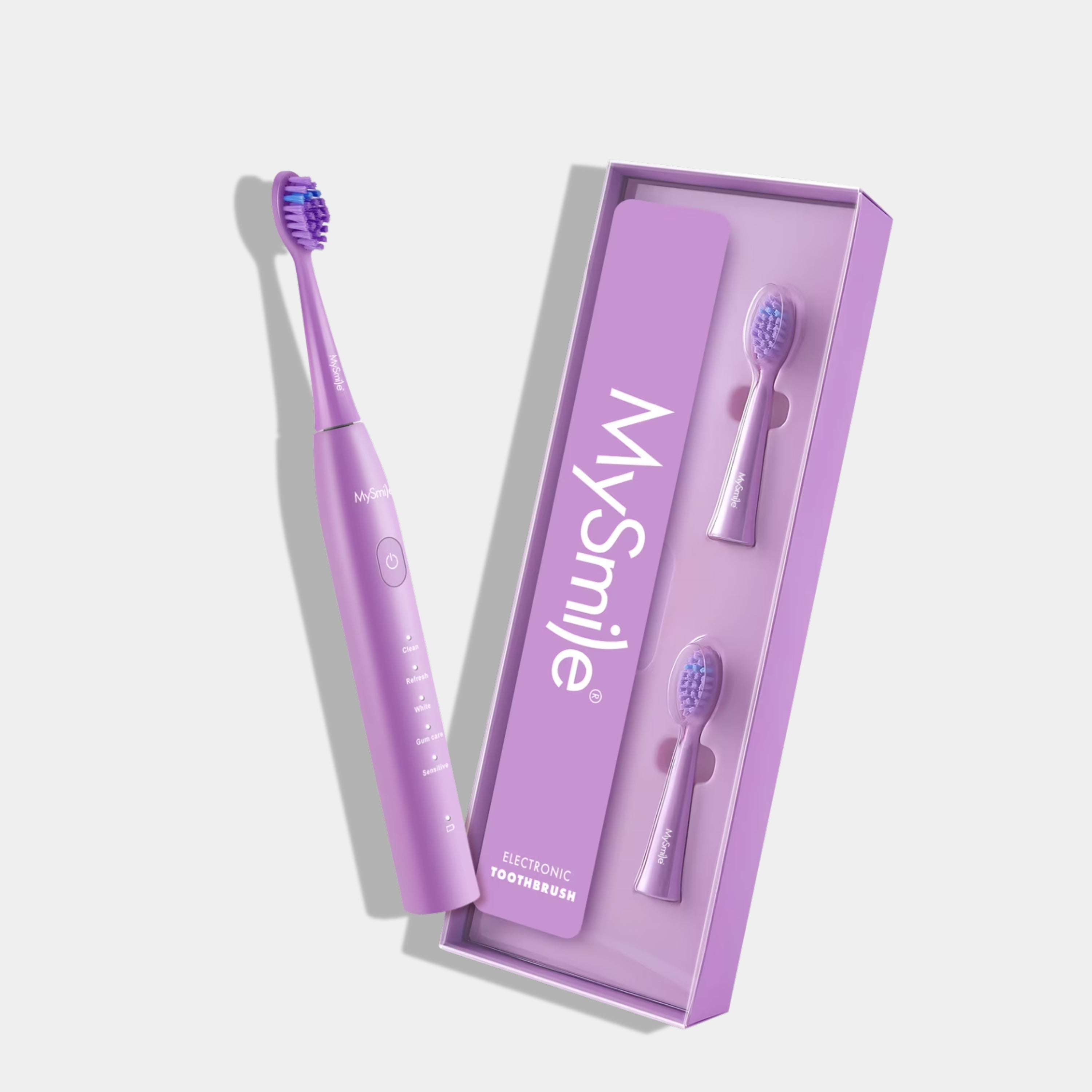
Whether you use the MySmile D59 Buttonless Sonic Toothbrush or another electric toothbrush, here's everything you need to know about when—and why—to replace your brush head.
Quick Answer
For most people:
| Situation | When to Replace |
|---|---|
| Normal brushing (twice daily) | Every 3 months |
| Bristles are frayed | Immediately |
| After recovering from an illness | Replace the brush head |
| You brush 3+ times per day | Every 2 months |
| Heavy brushing pressure | Every 2–3 months |
Why You Should Replace Your Sonic Toothbrush Head Every 3 Months
Although your toothbrush head may still look usable after several months, microscopic wear begins almost immediately.
As the bristles wear down, they become less effective at reaching between teeth and along the gumline, where plaque tends to accumulate.
A fresh toothbrush head can help:
-
Remove plaque more effectively
-
Improve gum health
-
Reduce bacteria buildup
-
Maintain fresh breath
-
Deliver the full cleaning performance of your sonic toothbrush
-
Protect tooth enamel by using properly shaped bristles
According to the American Dental Association (ADA), replacing your toothbrush or toothbrush head every three to four months helps ensure effective plaque removal and overall oral hygiene.
Signs It's Time to Replace Your Toothbrush Head
Even if three months haven't passed yet, your brush head may need replacing sooner.
Watch for these signs:
1. Frayed Bristles
This is the easiest sign to spot. Once the bristles begin spreading outward instead of standing upright, cleaning performance drops significantly.
2. Faded Indicator Bristles
Many replacement brush heads include colored indicator bristles that gradually fade. When the color becomes noticeably lighter, it's usually time for a replacement.
3. Your Teeth Don't Feel as Clean
If your teeth no longer feel smooth after brushing—even though your brushing routine hasn't changed—it may simply be because the brush head has worn out.
4. You've Been Sick
If you've recently had the flu, COVID-19, strep throat, or another contagious illness, replacing your toothbrush head is a good hygiene practice to help reduce exposure to lingering germs.
5. You Notice More Plaque or Bad Breath
A worn brush head may leave behind more plaque, contributing to bad breath and increasing the risk of cavities and gum irritation.
What Happens If You Don't Replace Your Toothbrush Head?
Using an old toothbrush head won't suddenly damage your teeth, but its cleaning performance gradually declines.
An overdue replacement may result in:
-
Less plaque removal
-
Increased tartar buildup
-
More bacteria around the gumline
-
Higher risk of gingivitis
-
Persistent bad breath
-
Reduced effectiveness of your sonic toothbrush
Think of it like driving with worn tires—the toothbrush still works, just not nearly as well.
Does Brushing More Often Mean You Should Replace It Sooner?
Yes.
The standard three-month recommendation assumes you're brushing twice a day for about two minutes each time.
If you:
-
Brush after every meal
-
Brush three or more times daily
-
Apply heavy pressure
-
Have braces or orthodontic appliances
your brush head will wear out faster. In these cases, replacing it every 2 months is often a better choice.
Can You Make Your Toothbrush Head Last Longer?
While you can't stop normal wear, proper care can help keep your brush head clean and in good condition between replacements.
Best practices:
-
Rinse the brush head thoroughly after every use.
-
Shake off excess water.
-
Store it upright so it can air dry.
-
Avoid covering the brush head while it's still wet.
-
Don't share toothbrush heads with others.
-
Replace the brush head after recovering from an illness.
Keeping the brush head clean also helps reduce bacterial buildup.
Myth: "My Bristles Still Look Fine, So I Don't Need a New Brush Head."
Not necessarily.
Even if your brush head appears normal, the bristles gradually lose their stiffness and flexibility over time. This microscopic wear isn't always visible, but it affects how well the brush removes plaque.
That's why dentists recommend replacing toothbrush heads every three months—even if they don't look badly worn.
Choosing a Quality Replacement Brush Head Matters
Not all replacement brush heads are created equal.
Look for brush heads that feature:
-
Soft, rounded bristles that are gentle on gums
-
A secure fit for your toothbrush model
-
High-quality materials that resist premature wear
-
Indicator bristles to help track replacement timing
Using compatible, well-designed replacement heads helps your sonic toothbrush deliver the cleaning performance it was designed for.
Recommended: MySmile D59 Buttonless Sonic Toothbrush
A high-quality toothbrush deserves a fresh brush head.
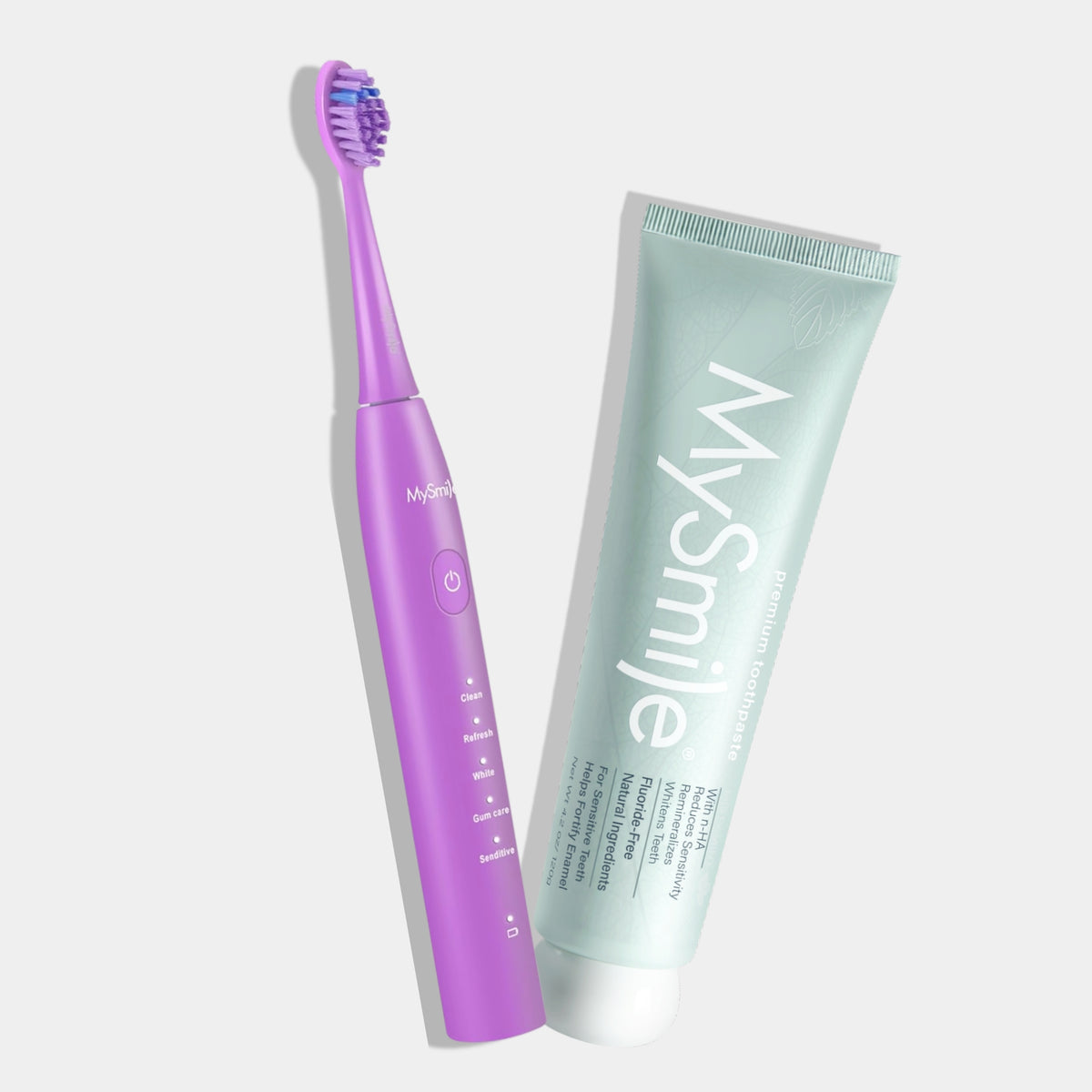
The MySmile D59 Buttonless Sonic Toothbrush combines smart pressure-responsive cleaning with powerful sonic technology to help remove plaque while protecting sensitive gums.
Features include:
-
Adaptive sonic cleaning technology
-
Pressure-responsive frequency adjustment
-
Smart halo light feedback
-
Wireless charging
-
Soft, gentle brush heads
-
Long-lasting battery life
-
Two-minute smart timer with quadrant reminders
For the best results, replace the brush head every three months to keep your toothbrush performing at its peak.
👉 Shop the MySmile D59 Buttonless Sonic Toothbrush:
https://mysmilesteeth.com/products/mysmile-d59-buttonless-sonic-toothbrush
Frequently Asked Questions
How often should you replace an electric toothbrush head?
Most dental professionals recommend replacing an electric toothbrush head every three months, or sooner if the bristles become worn.
Can I use my toothbrush head for longer than three months?
You can, but it isn't recommended. Worn bristles remove less plaque and become less effective at cleaning your teeth and gums.
Should I replace my toothbrush head after being sick?
Yes. Replacing your brush head after recovering from a contagious illness is a simple way to maintain good oral hygiene.
How do I know if my toothbrush head is worn out?
Common signs include:
-
Frayed bristles
-
Faded indicator bristles
-
Teeth feeling less clean after brushing
-
Increased plaque buildup
-
Persistent bad breath despite brushing
Is a sonic toothbrush better than a manual toothbrush?
Sonic toothbrushes can make plaque removal easier, especially when used correctly with a fresh brush head. They also help many people maintain a consistent two-minute brushing routine and apply gentler pressure.
Final Thoughts
Replacing your sonic toothbrush head may seem like a small habit, but it plays a big role in maintaining a healthy smile.
A fresh brush head helps your toothbrush remove plaque more effectively, keeps your gums healthier, and ensures you're getting the full benefit of your brushing routine.
As a simple rule of thumb, replace your sonic toothbrush head every three months—or sooner if the bristles become worn or you've recently been sick. Pairing a fresh brush head with a quality sonic toothbrush and fluoride or nano-hydroxyapatite toothpaste is an easy way to support cleaner teeth and a healthier smile every day.