
That quick zing from an iced drink can interrupt an otherwise ordinary day. Before you change your entire routine, it helps to understand what your teeth may be telling you.
Tooth sensitivity can happen when dentin loses its protective covering. Cold, heat, or certain foods can then cause discomfort. Everyday habits may contribute, but cavities, cracked teeth, worn fillings, and gum problems can also be responsible. A dentist can identify the cause.
1. Scrubbing instead of brushing gently
A cleaner mouth does not require more force. Start with a soft-bristled toothbrush and gentle movements, making sure you reach the outside, inside, and chewing surfaces. Replace worn or frayed bristles rather than pressing harder to compensate.
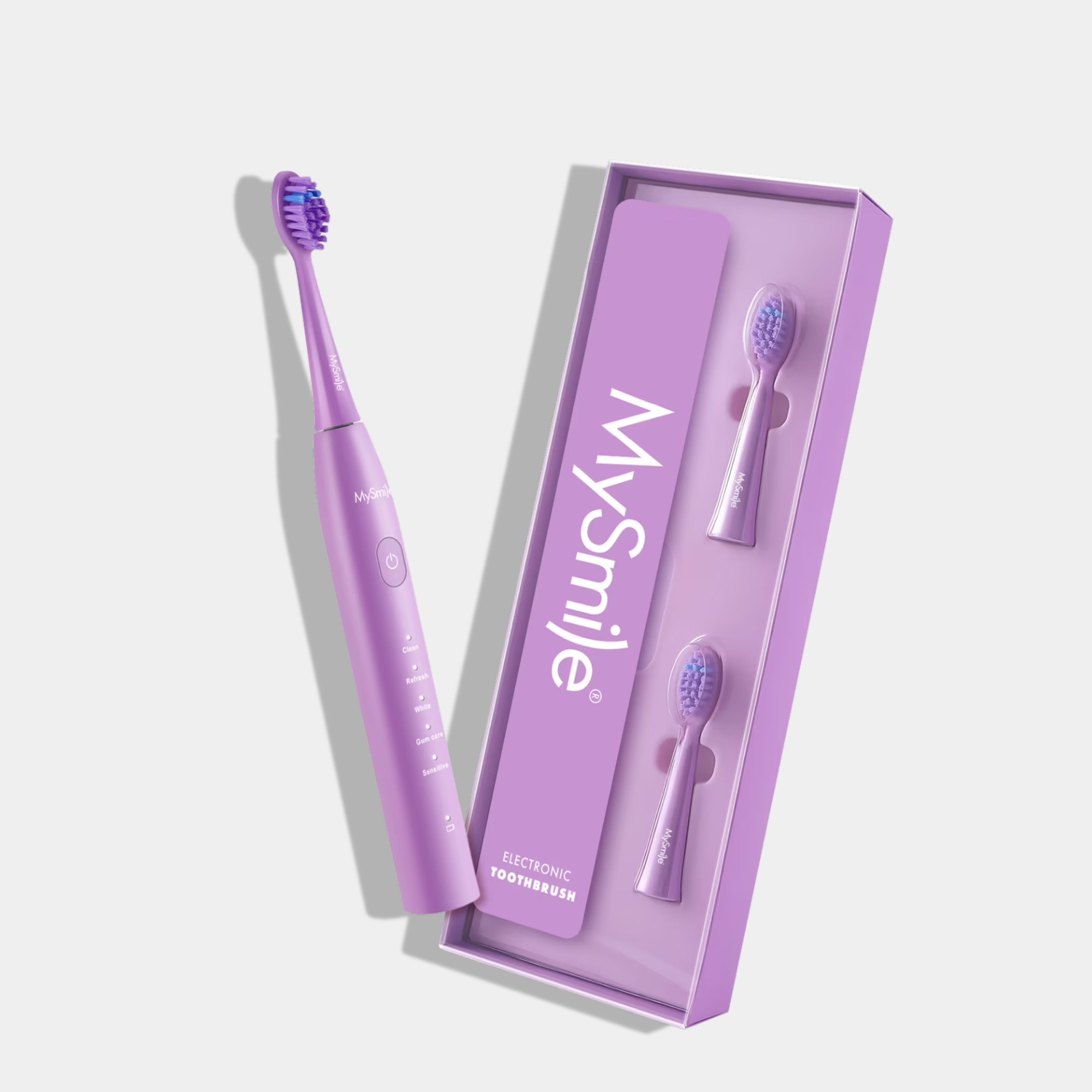
If you want feedback on brushing pressure, explore the MySmile D59 Smart Sonic Toothbrush. Its listed features include automatic power reduction when excessive pressure is detected. Keep your touch light and follow the device instructions.
2. Sipping acidic drinks throughout the day
Soda, sports drinks, and citrus drinks expose teeth to acids that can wear down enamel. Sugar-free does not necessarily mean acid-free.
Try having acidic drinks with meals instead of extending them across the afternoon. Avoid swishing them around your mouth, and rinse with water afterward. Source: ADA dietary acid guidance
3. Brushing immediately after acidic foods
Brushing straight after citrus fruit or an acidic drink may seem like a helpful reset. Give your mouth some time first: the ADA recommends waiting an hour after acidic foods before brushing. Rinse with water in the meantime.
4. Grinding or clenching your teeth
Grinding and clenching can happen during the day or while you sleep. They can wear down enamel or damage teeth, and may come with jaw soreness, headaches, or sensitivity.
If you notice these signs, bring them up at a dental appointment. Your dentist can assess whether a mouth guard or another approach is appropriate. For daytime clenching, a simple reminder to relax your jaw and keep your teeth apart may help you notice the habit. Source: National Institute of Dental and Craniofacial Research
5. Pushing through discomfort during whitening
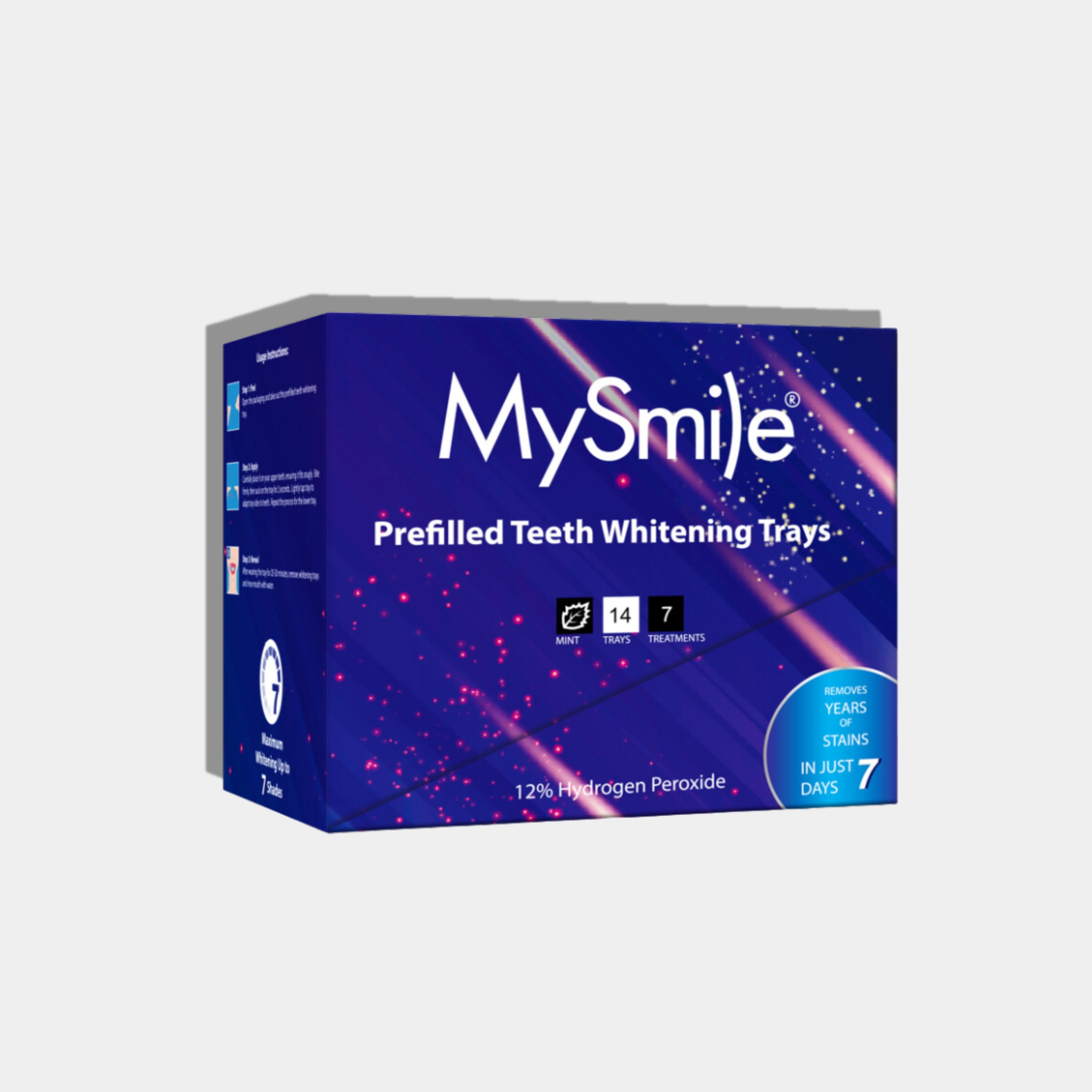
Whitening can cause temporary tooth sensitivity. Treatment strength and contact time are among the factors that can affect the experience.
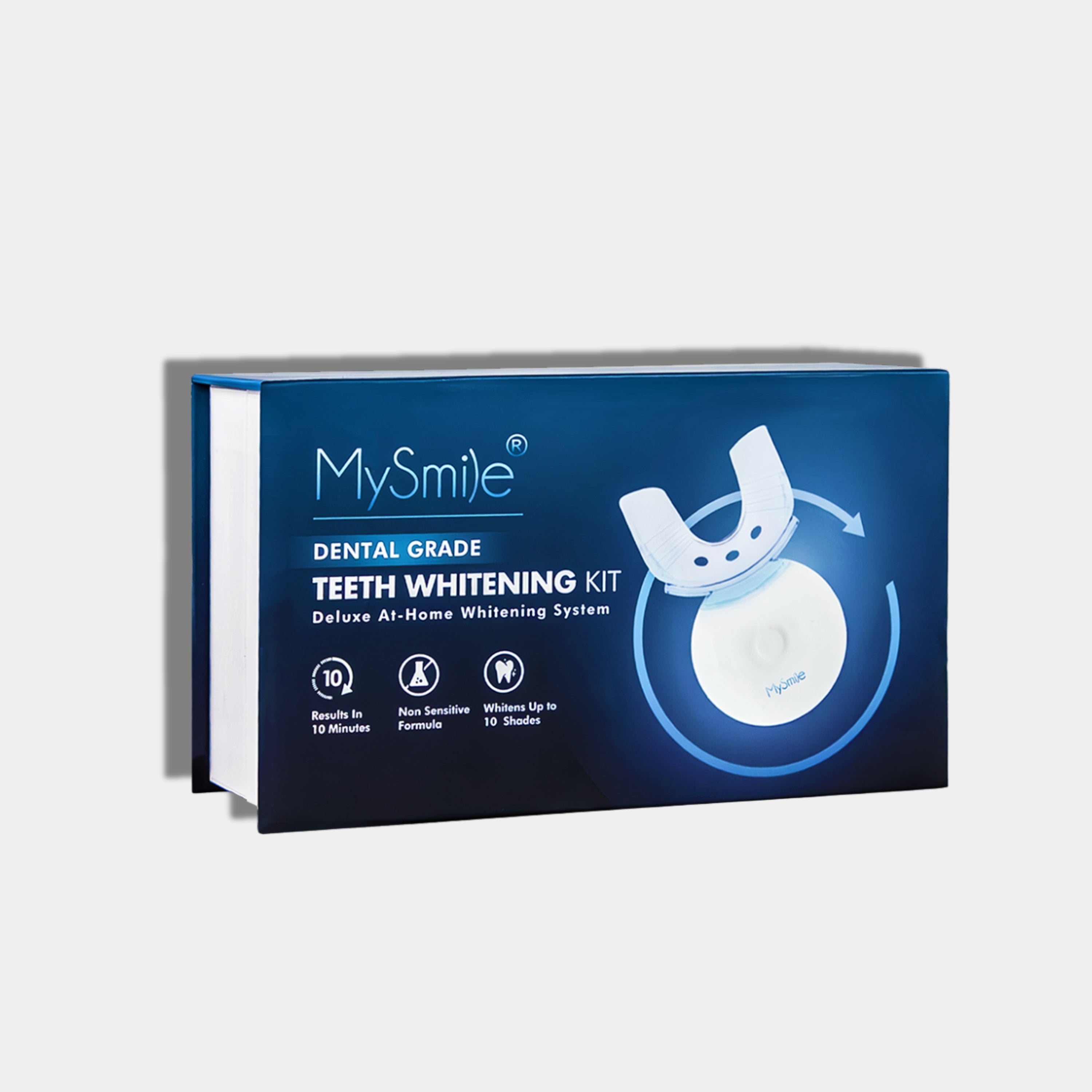
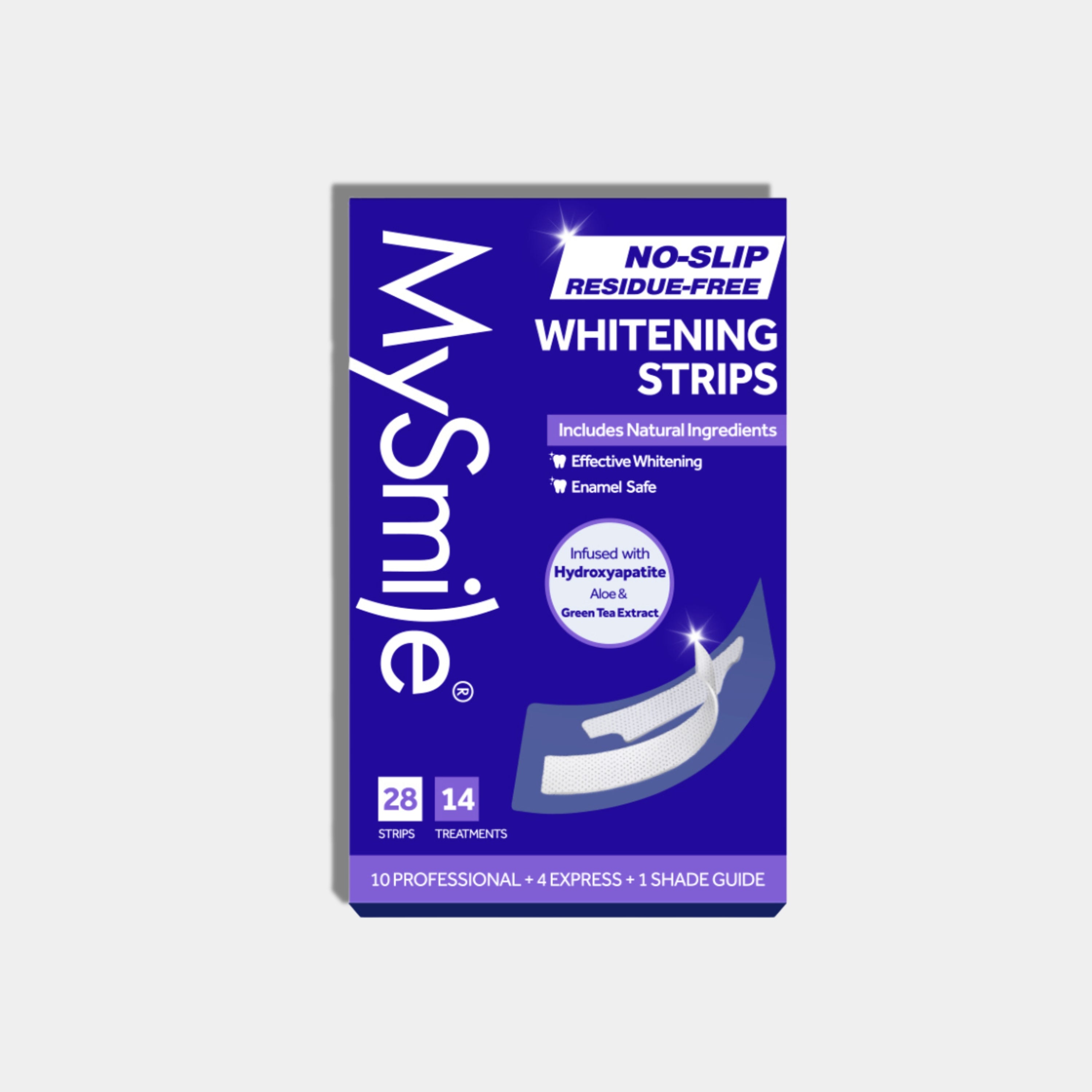
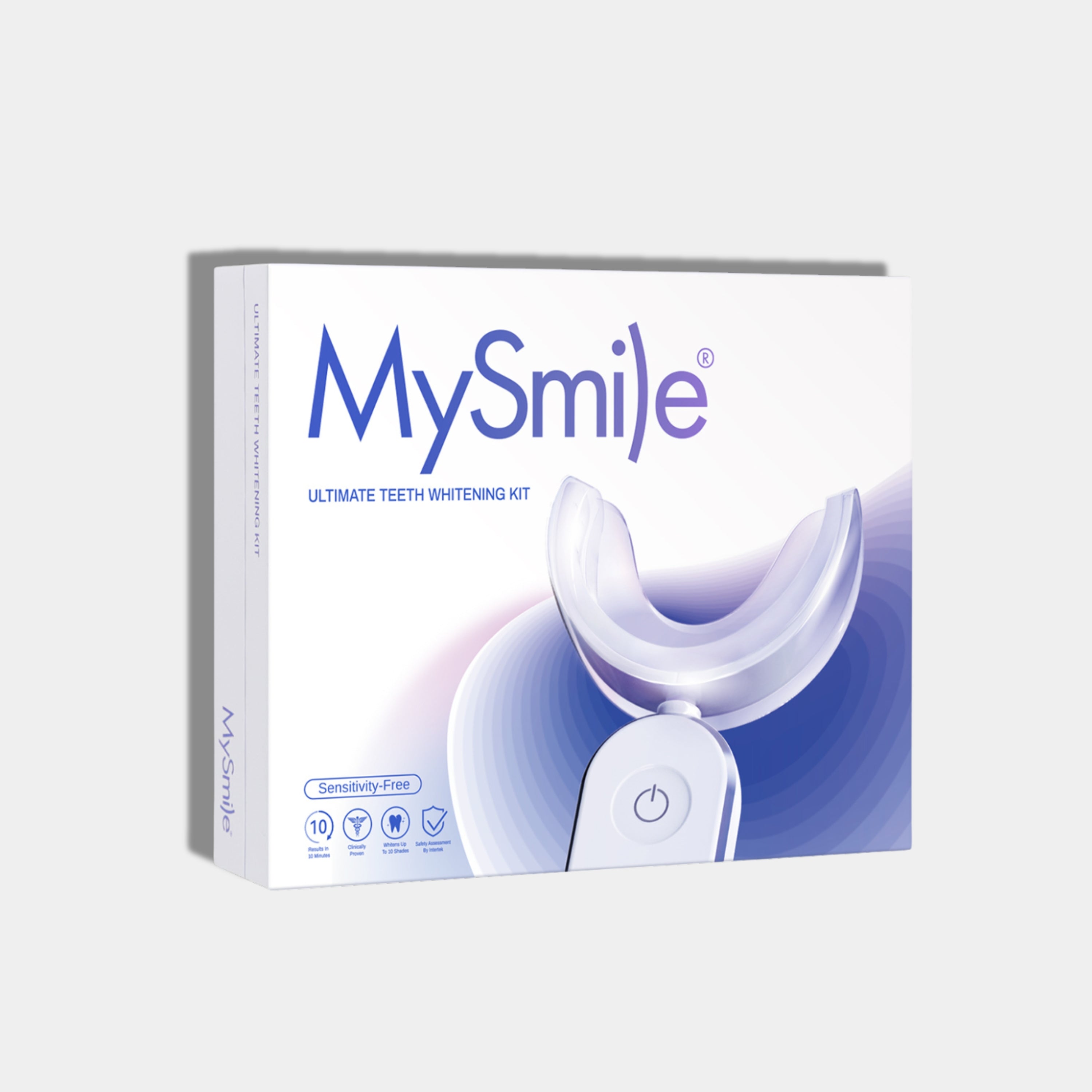
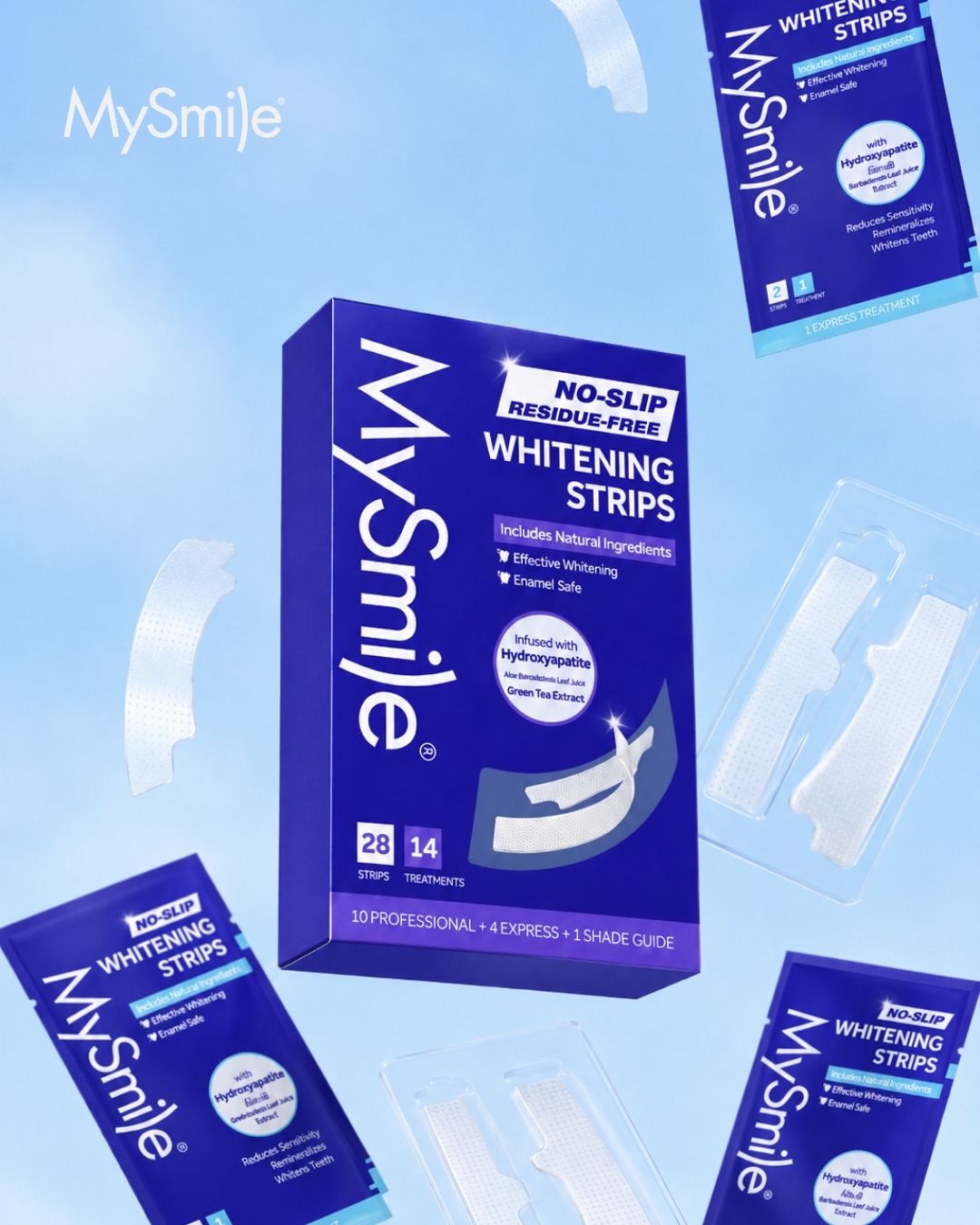
Follow the product directions, and do not extend sessions or combine treatments to chase faster results. If whitening causes pain, pause and ask your dentist what to do before restarting. Whitening is optional cosmetic care; it does not replace brushing or cleaning between teeth.
6. Letting everyday cleaning slide
An inconsistent routine can leave plaque and food debris behind. Brush twice daily and clean between teeth every day using an approach your dental professional recommends.
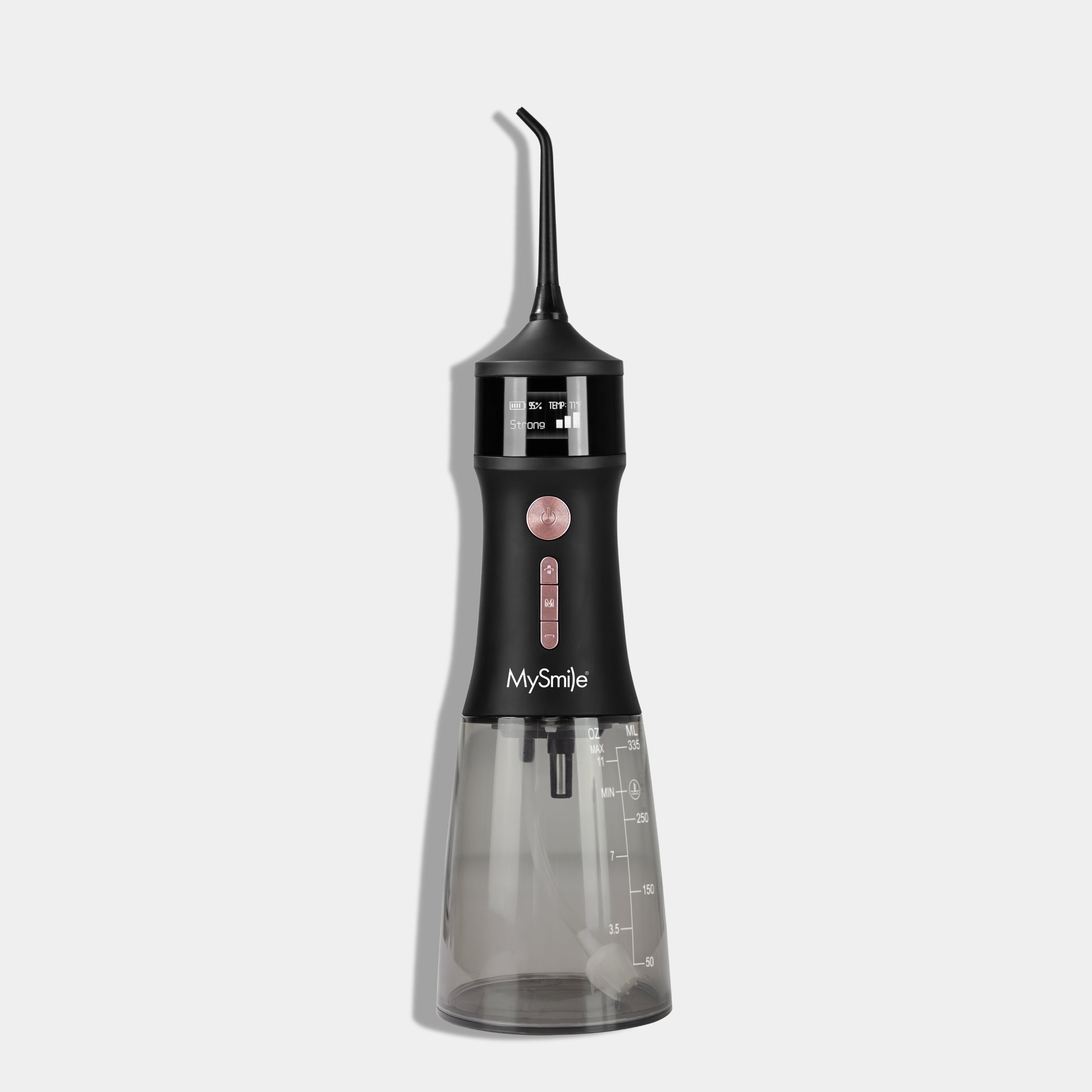
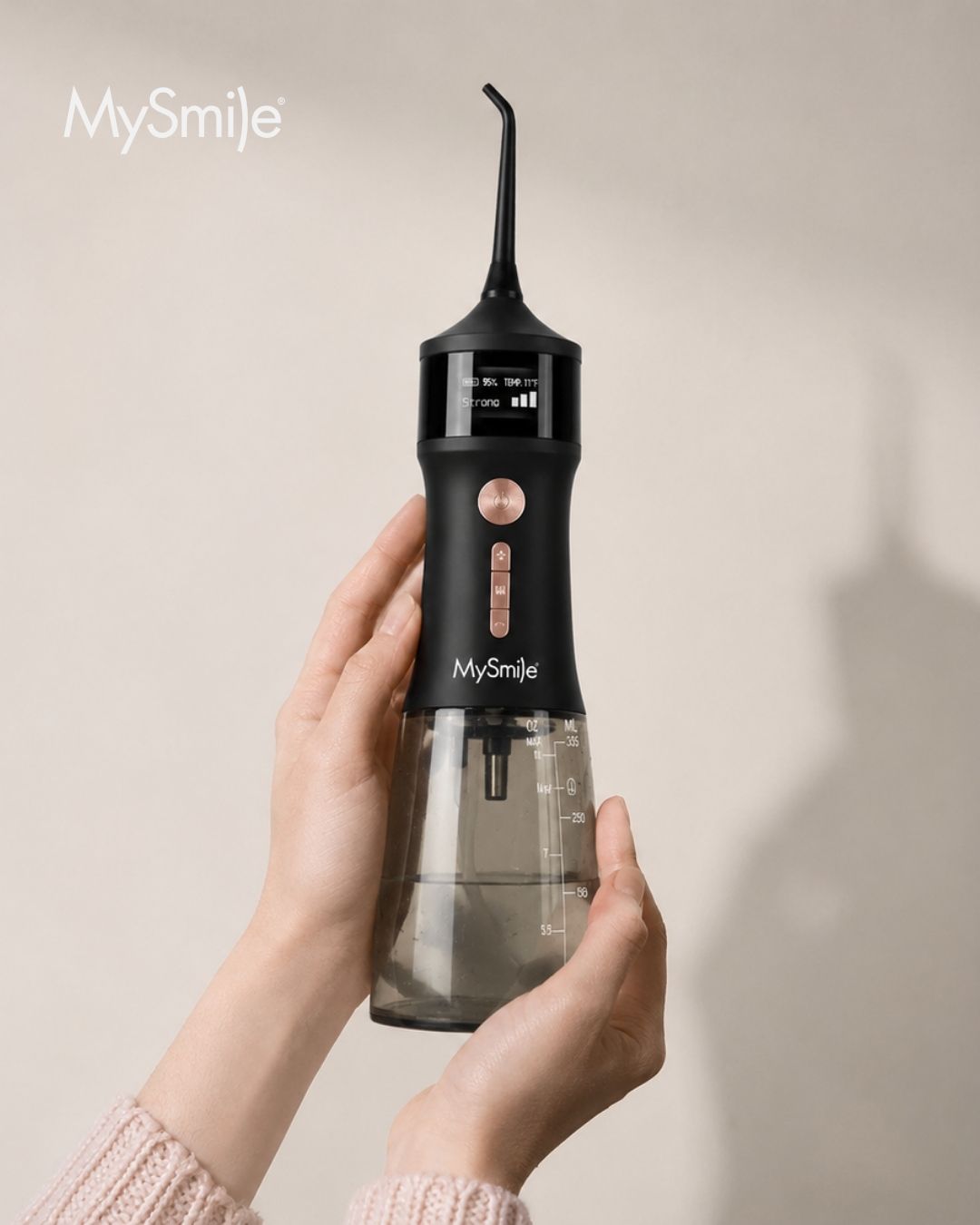
For a water-flossing option, the MySmile LP211 Cordless Select Water Flosser includes a Soft mode. Follow its instructions, use lukewarm water, and choose a comfortable pressure. Stop if it hurts and ask your dentist for advice. Water flossing supports cleaning; it does not fix the underlying cause of tooth pain.
Choosing toothpaste for sensitive teeth
Ask your dentist about a desensitizing toothpaste and how long to use it before assessing results. These products may require repeated use rather than providing immediate relief.
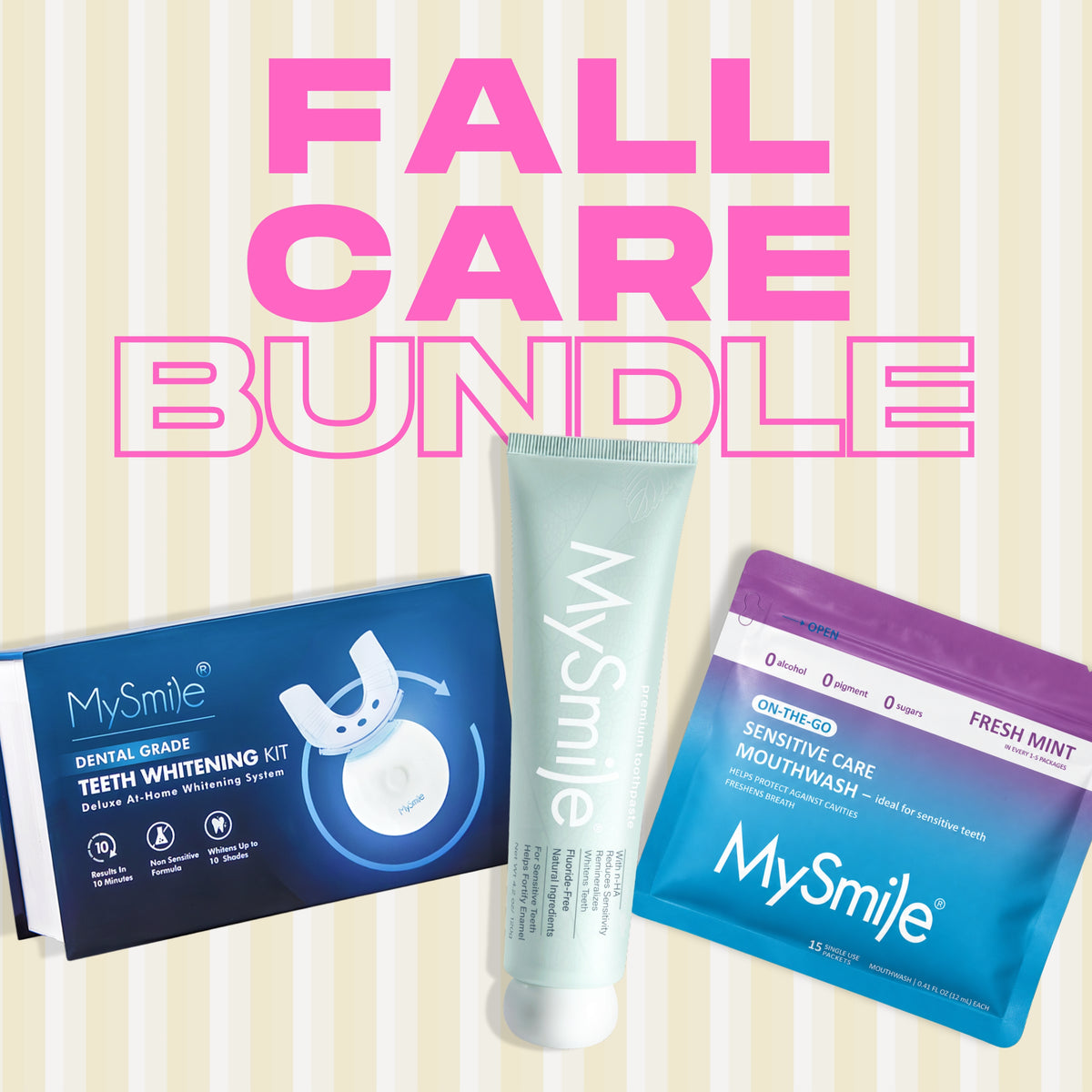
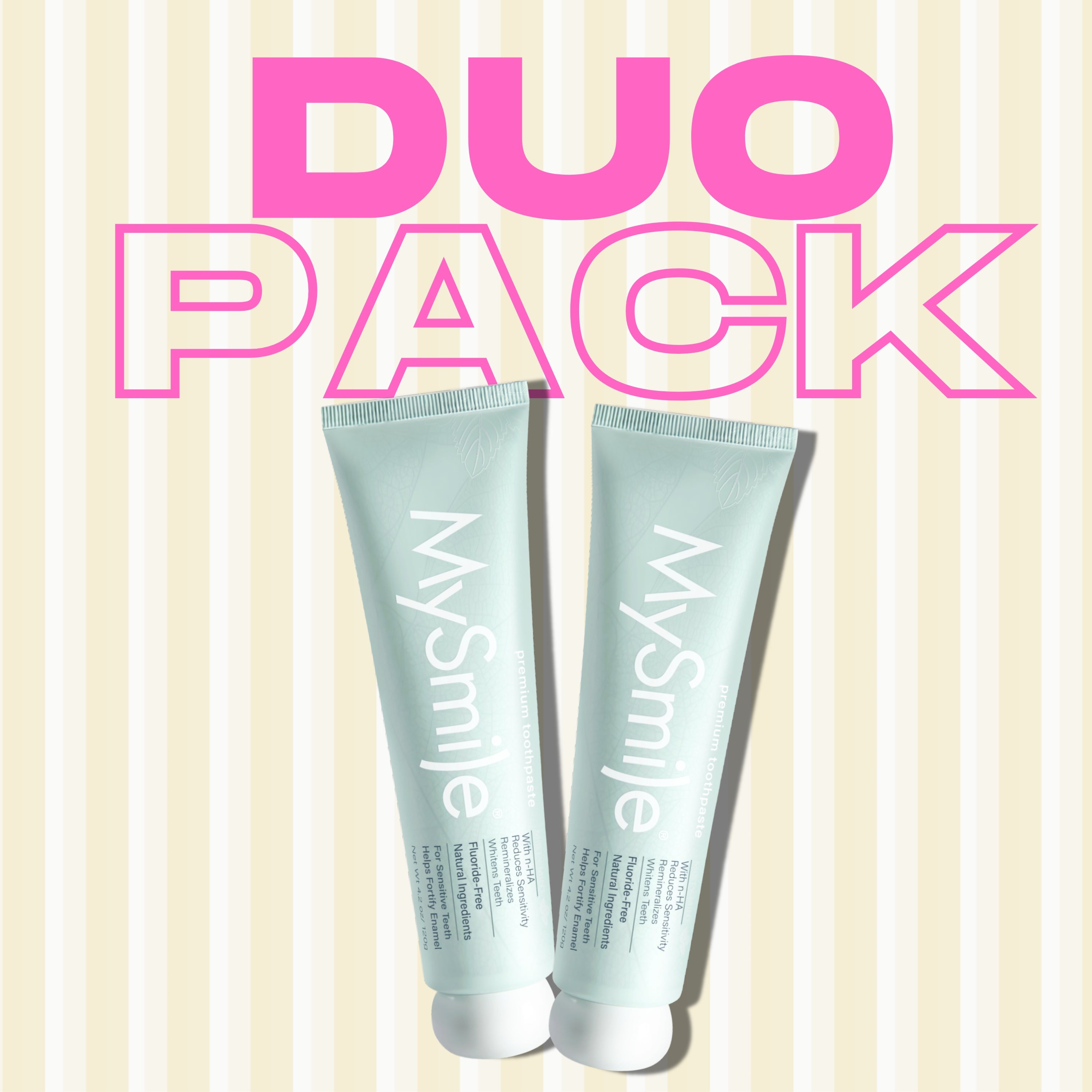
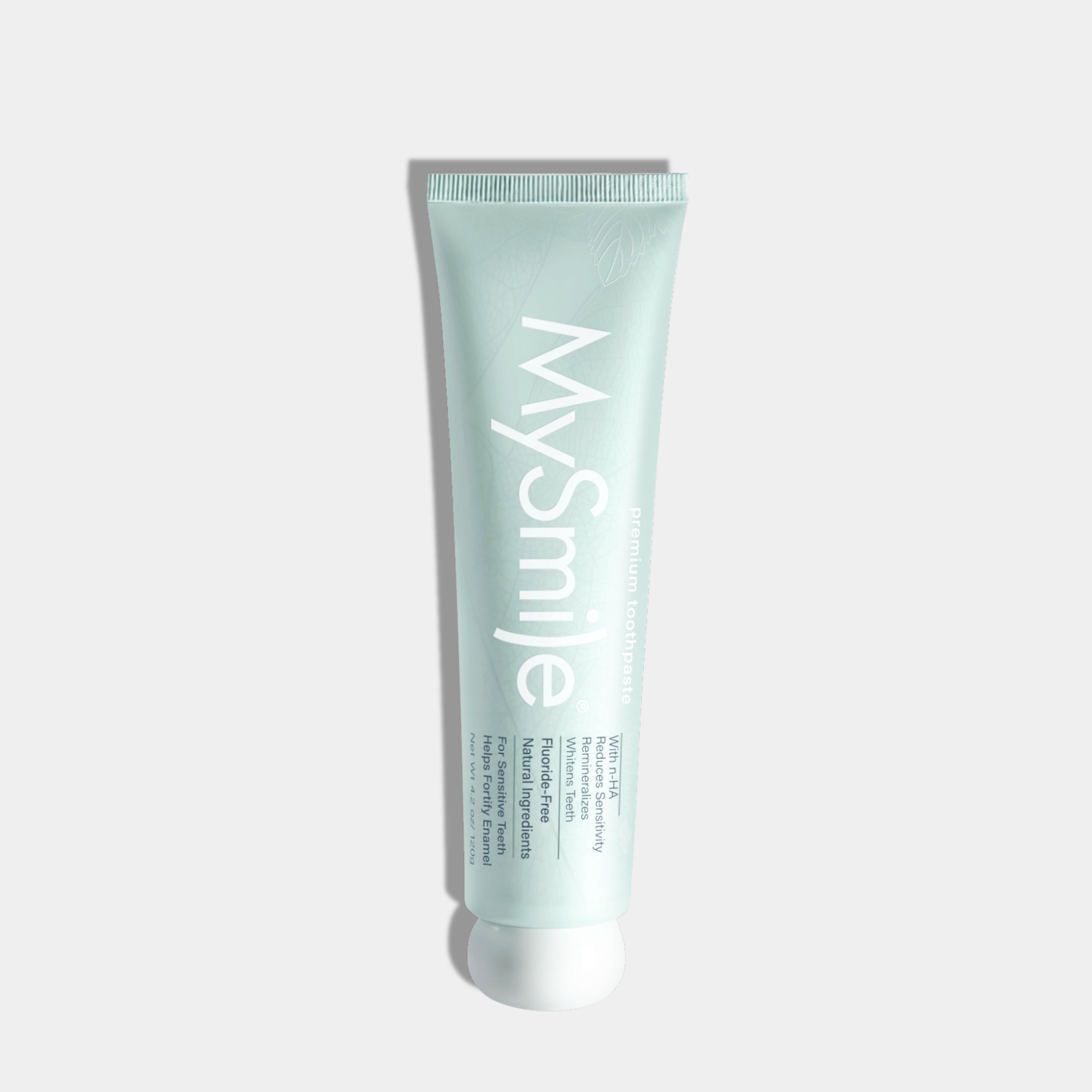
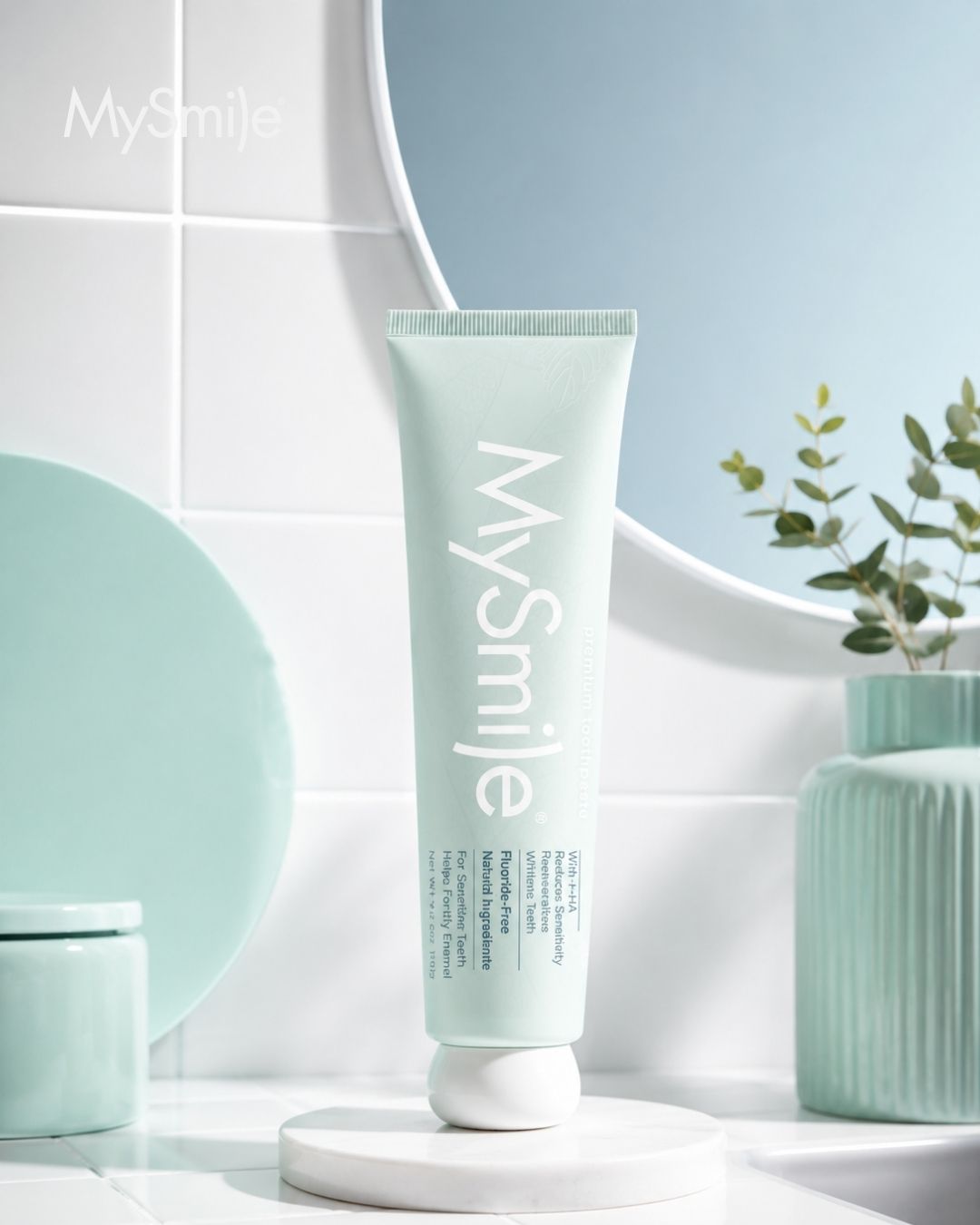
If you are exploring fluoride-free options, MySmile Nano-Hydroxyapatite Toothpaste is an SLS-free formula marketed for sensitive teeth. Ask your dentist whether it fits your sensitivity and cavity-prevention needs. The ADA recommends fluoride toothpaste for routine brushing; do not assume that all formulas provide the same protection.
When should you see a dentist?
Do not assume recurring pain is simply sensitivity. Arrange dental care if toothache lasts more than two days, or if you have pain when biting, fever, a bad taste, or swelling. Seek emergency care if swelling makes it hard to breathe, swallow, or speak.
Frequently asked questions
Why are my teeth sensitive to cold?
Exposed dentin can make cold temperatures uncomfortable. Decay, cracks, worn fillings, or gum problems may also be involved, so recurring symptoms deserve a dental assessment.
What should I do if my teeth feel sensitive after brushing?
Use a soft brush and gentle technique, and ask your dentist to check persistent discomfort. Brushing harder is not the answer.
Can I keep whitening if my teeth become sensitive?
Pause if it hurts and consult your dentist before continuing. Sensitivity is a recognized side effect of whitening, and the right next step depends on your teeth and treatment.
Can a water flosser cure sensitive teeth?
No. A water flosser is a cleaning tool. Sensitivity may require care for a problem such as decay or an exposed root.
A more comfortable routine starts with understanding the cause, using a gentle touch, and choosing care that suits your needs. Start with one habit you can change today, and get recurring discomfort checked.