

You want a brighter smile. But between purple toothpaste, whitening strips, and LED kits, it can be hard to tell which product does what—and which one fits your routine.
A teeth brightener is a broad description for a product that makes teeth look brighter. Depending on the formula, it may remove surface stains, temporarily offset yellow tones, or bleach discoloration with peroxide. The ingredients and directions tell you more than the word “brightening” on the packaging.
Before choosing a product, decide what you want: a cosmetic refresh before heading out, help with surface stains, or a whitening treatment you use over a scheduled course.
Teeth brightener vs. teeth whitener: what’s the difference?
The names often overlap. The more useful comparison is how the product works.
| Product type | Main action | What to expect | Key limitation |
|---|---|---|---|
| Stain-removal toothpaste | Polishes away surface discoloration | A cleaner-looking smile | Does not bleach the underlying tooth shade |
| Purple color corrector | Uses pigments to visually offset yellow tones | A cosmetic brightening effect | Color correction is not lasting bleaching |
| Peroxide whitening strips | Keeps whitening gel in contact with teeth | Whitening during the directed treatment course | Results and sensitivity vary |
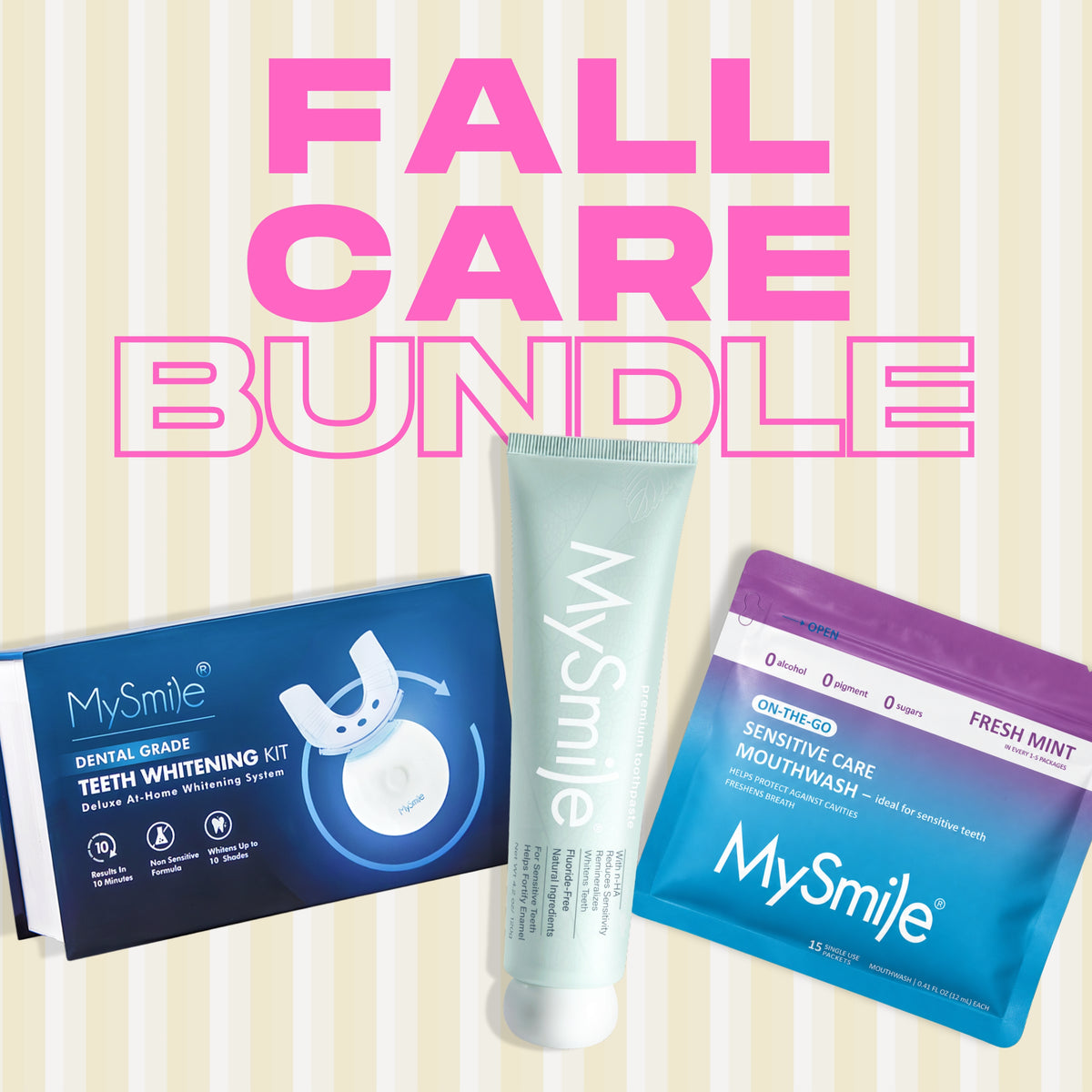
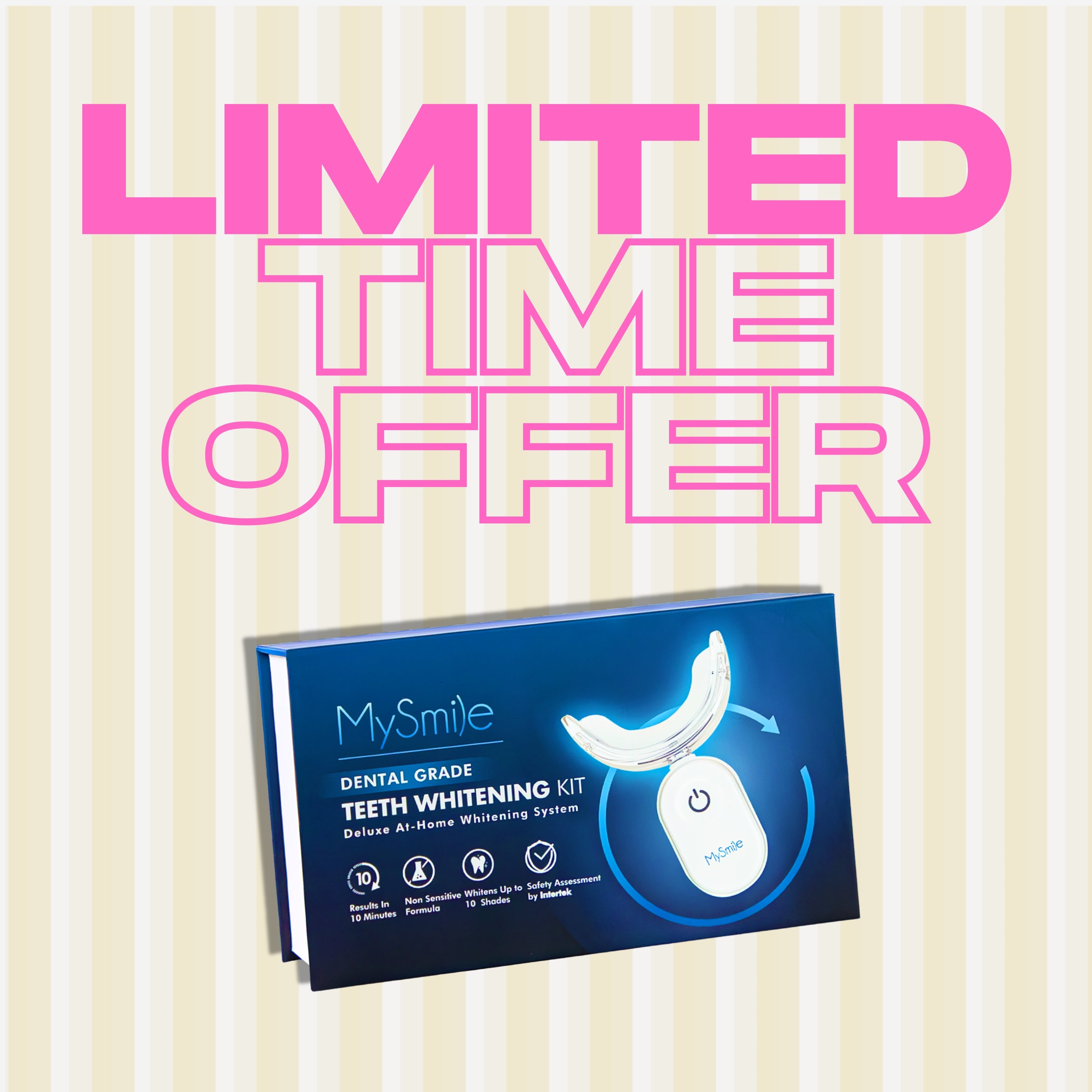
| Peroxide gel kit with LED light | Delivers bleaching gel through a mouthpiece | An at-home whitening routine | The light alone is not a substitute for whitening gel |
The American Dental Association distinguishes surface-stain removal from chemical bleaching. Hydrogen peroxide and carbamide peroxide are common bleaching ingredients. MySmile’s purple toothpaste is positioned as a color-correcting product. Sources: ADA whitening overview and MySmile Purple Color Correcting Toothpaste.
Why do teeth look yellow or stained?
Coffee, tea, red wine, and tobacco can discolor teeth. Aging, some medications, and tooth injuries can also change tooth color. That means two people with similar-looking discoloration may need different approaches.
If a tooth changes color after an injury, get it checked before trying to whiten it. Whitening does not address the cause of every color change. The ADA’s guide to teeth whitening explains these differences.
Does purple toothpaste actually whiten teeth?
Purple color correction is designed to change how yellow tones appear; it should not be confused with peroxide bleaching. Think of it as a cosmetic step, with results that depend on the formula and your starting shade.
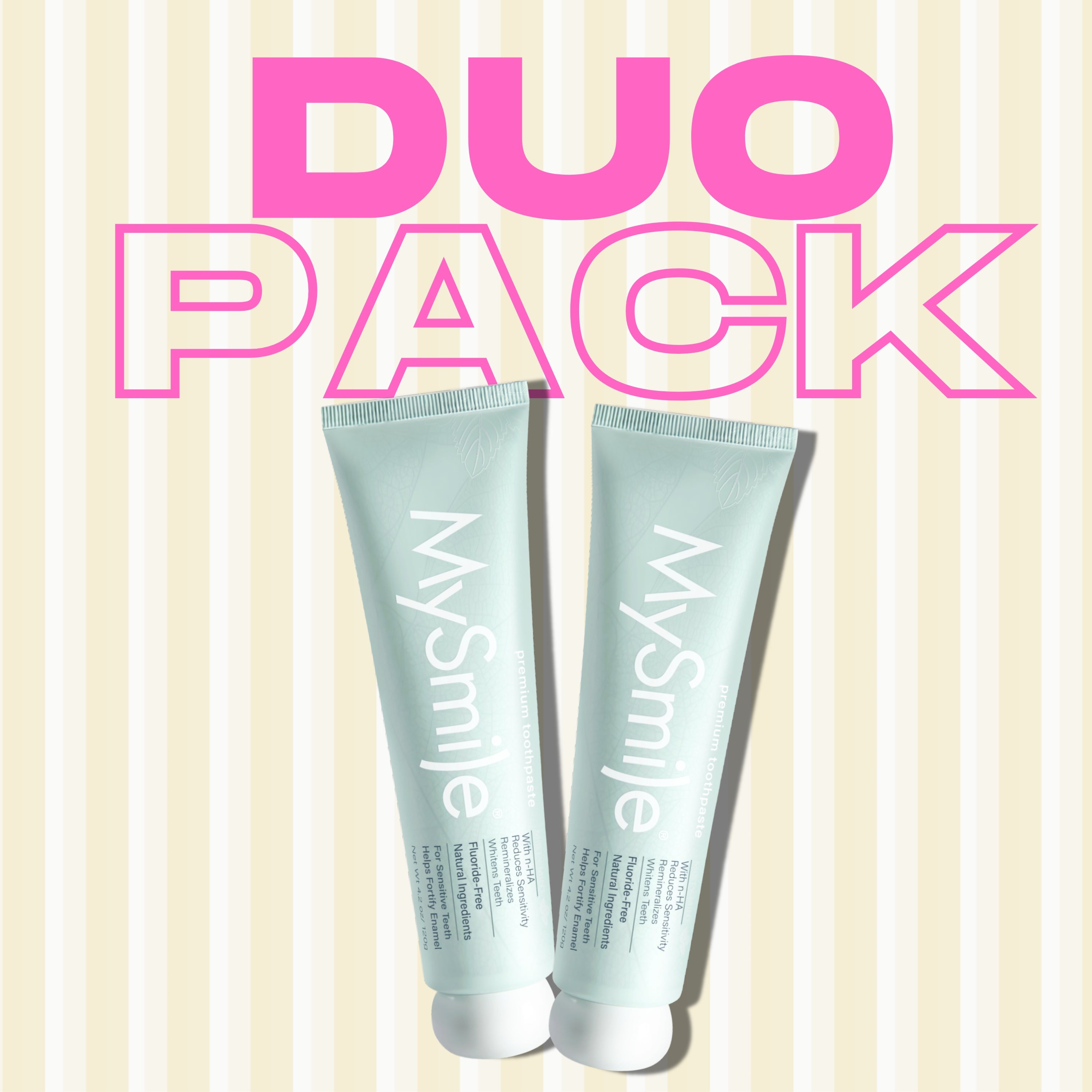
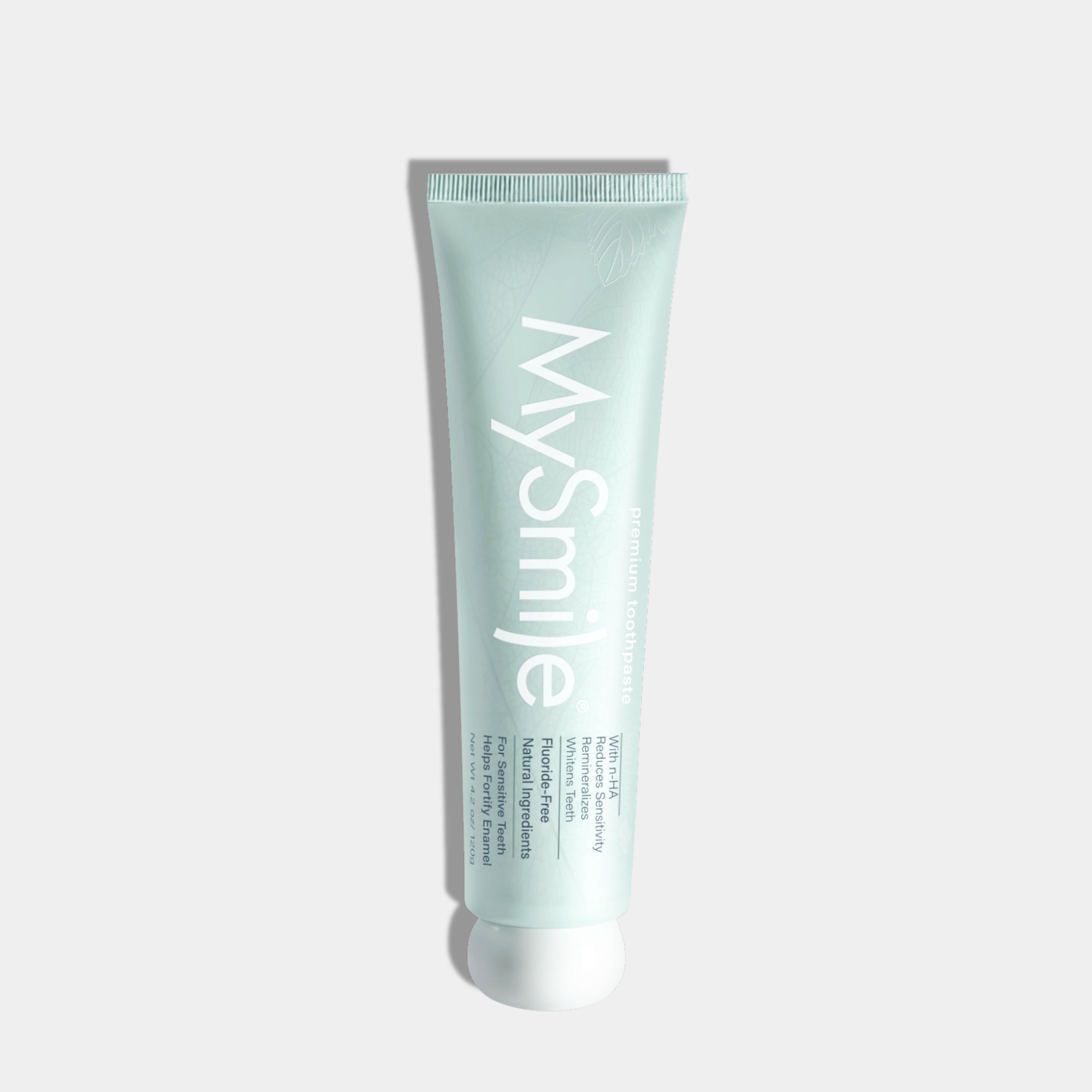
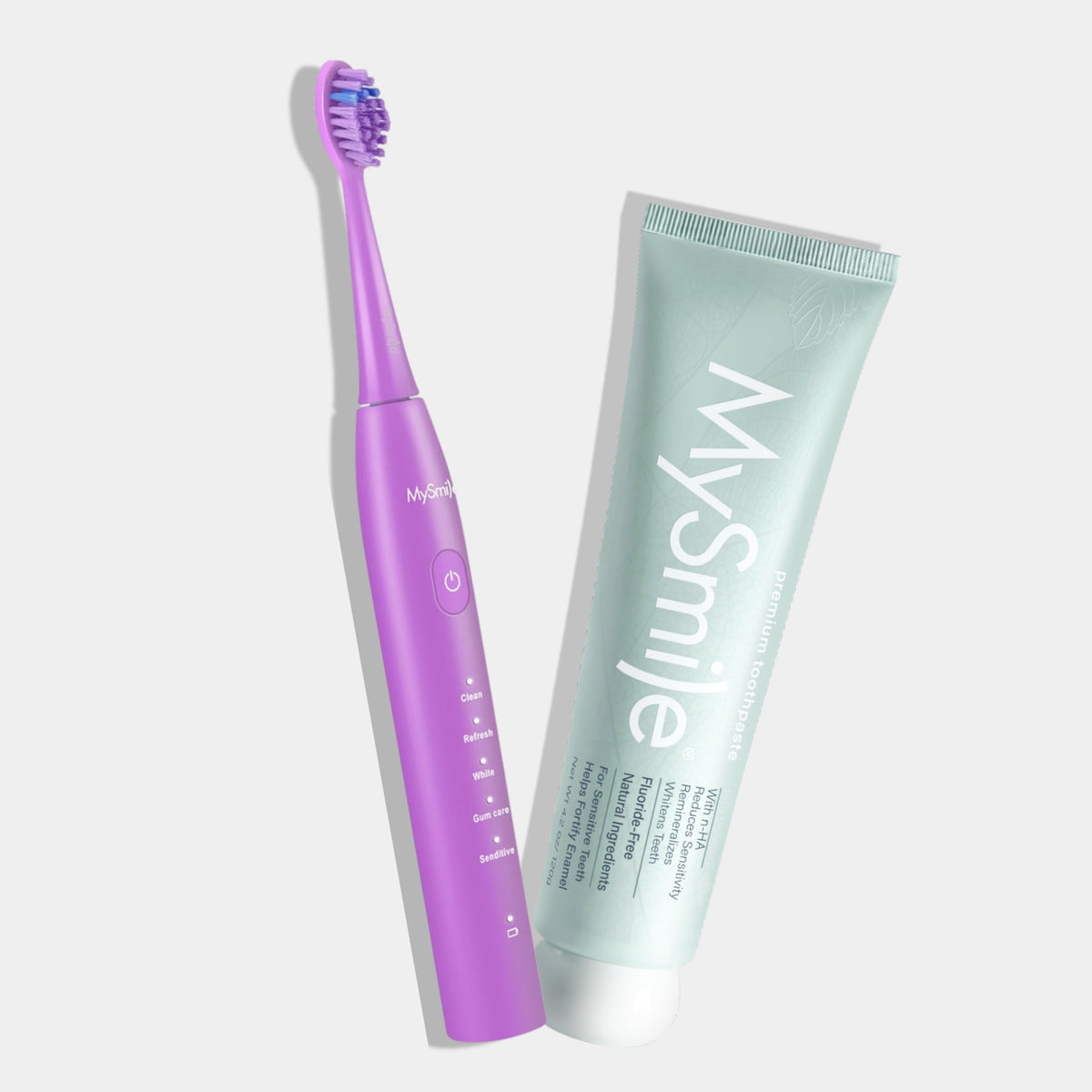
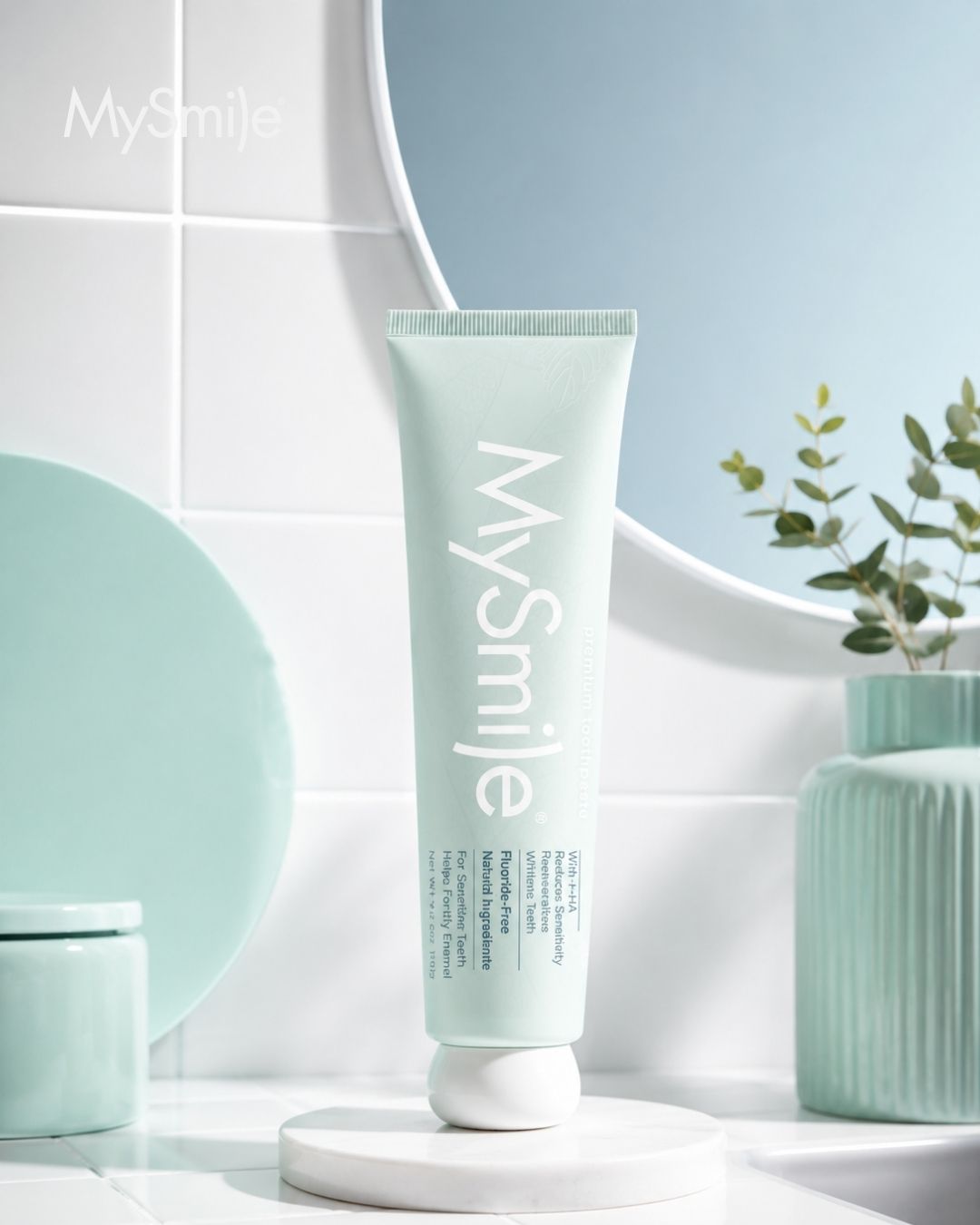
MySmile Purple Color Correcting Toothpaste uses purple pigments and contains nano-hydroxyapatite, also called nHA. The current formula is fluoride-free.
Consider this option if your goal is a brighter-looking smile as part of getting ready. If your goal is a bleaching treatment, compare the strips and gel kit below. Use the toothpaste according to its label, and discuss your everyday cavity-prevention routine with your dentist when choosing a fluoride-free product.
Which MySmile whitening option fits your routine?
Whitening strips: a simple format without a mouthpiece
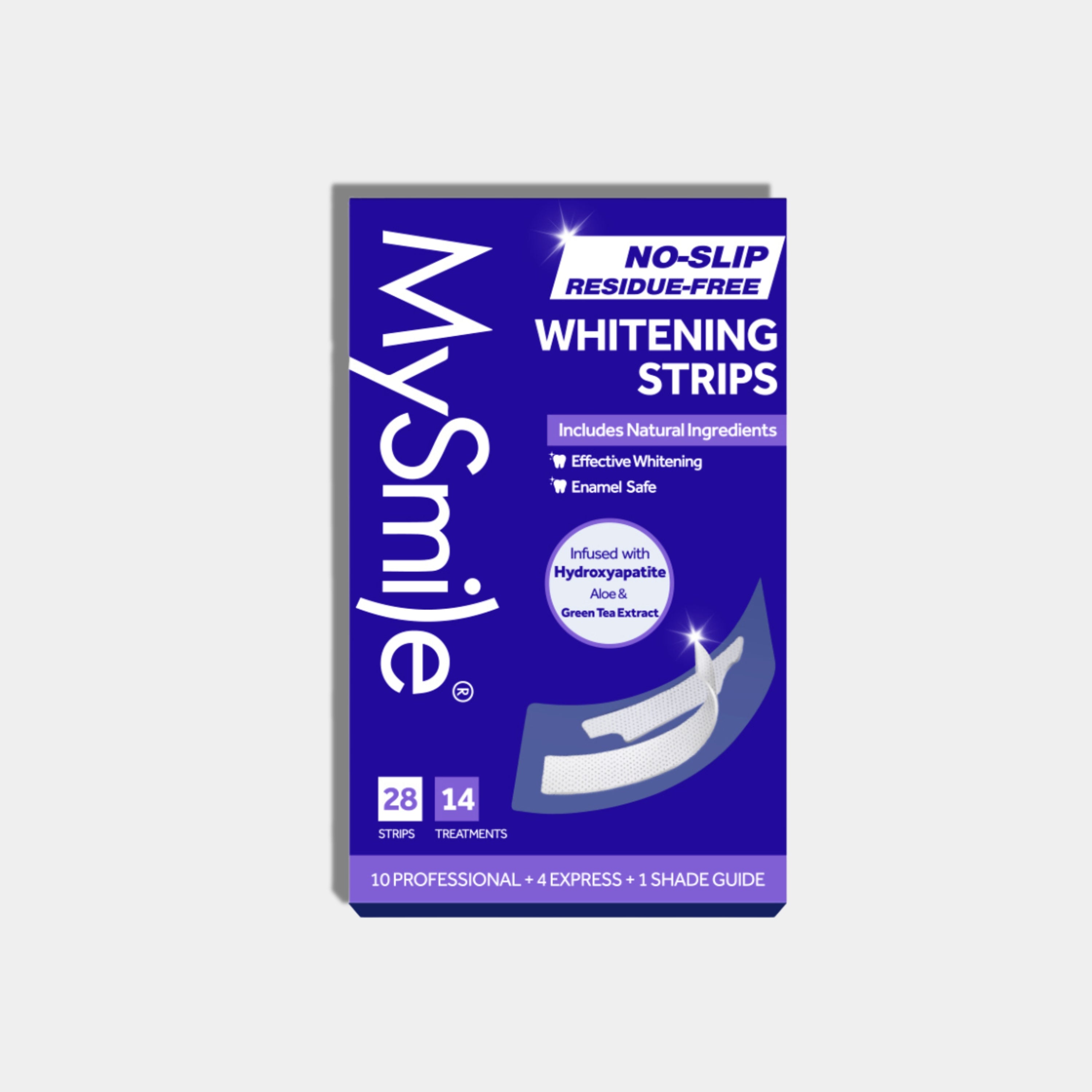
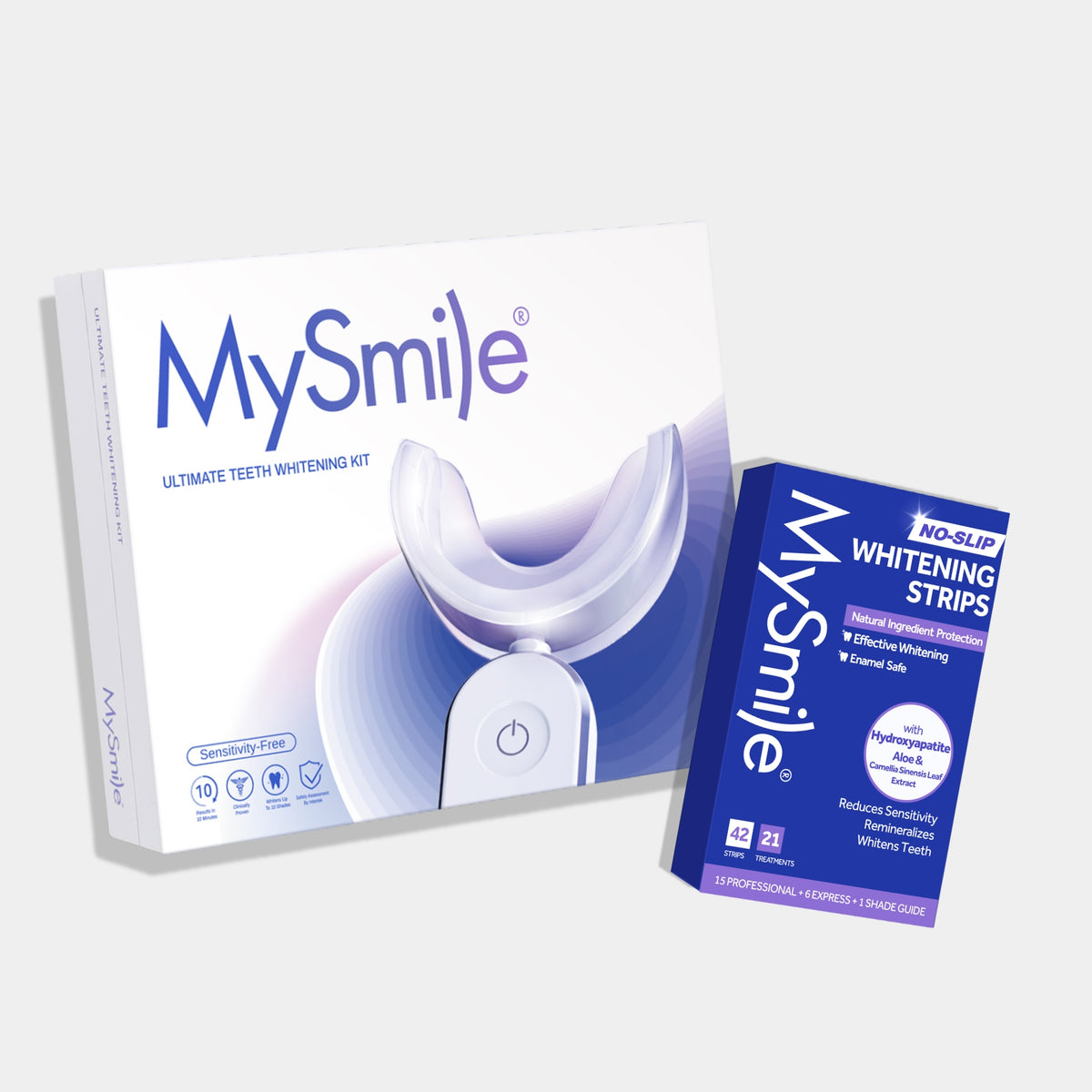
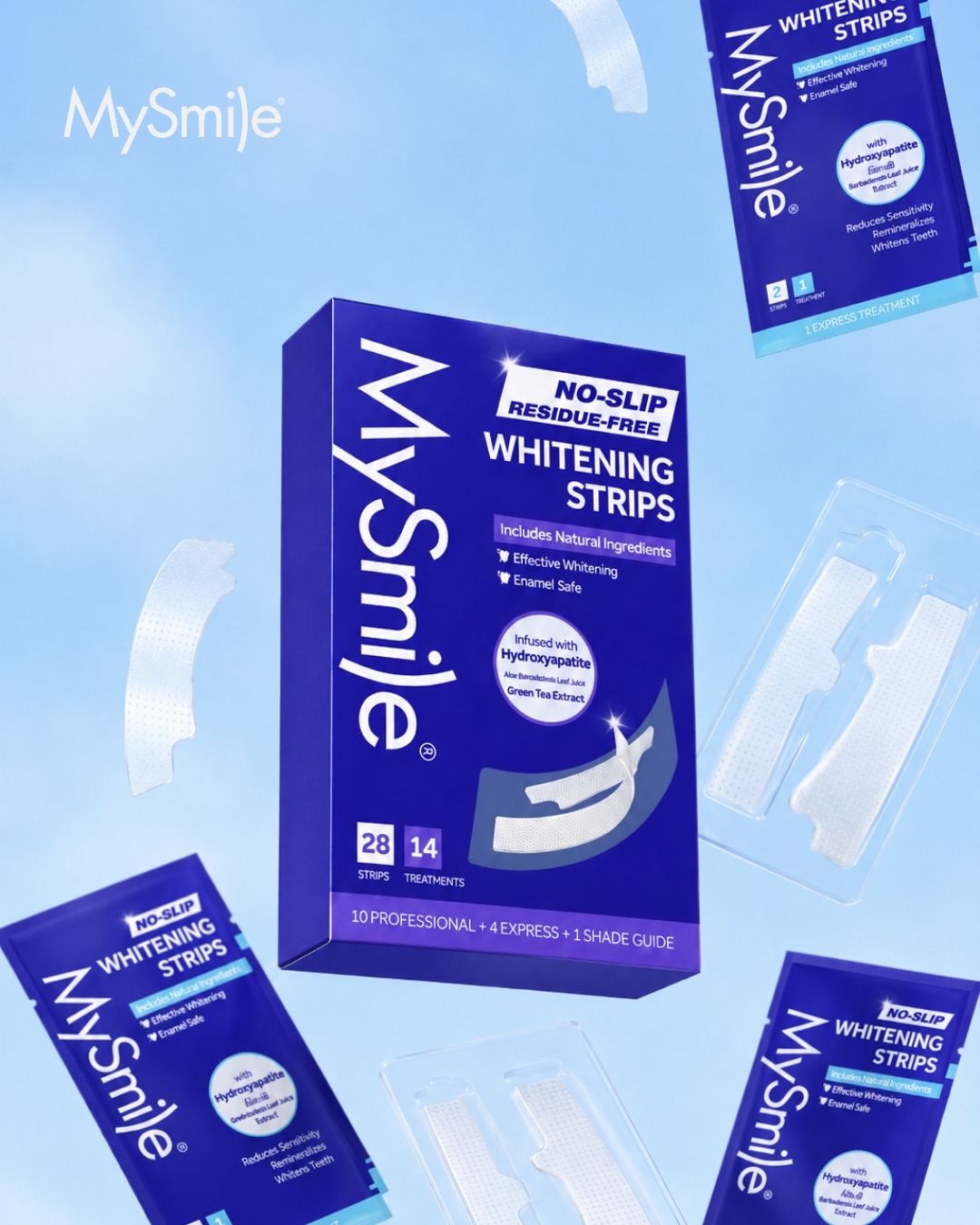
MySmile Teeth Whitening Strips contain hydrogen peroxide and come in packs that include Professional and Express treatments. The product page also lists hydroxyapatite, aloe vera, and green tea.
Strips are worth considering if you prefer a peel-and-apply format. Check which treatment you are using and follow the directions on that package; different treatments can have different wear times. Do not assume the instructions for one strip apply to every strip in your routine.
Original 5X kit: a gel-and-mouthpiece routine
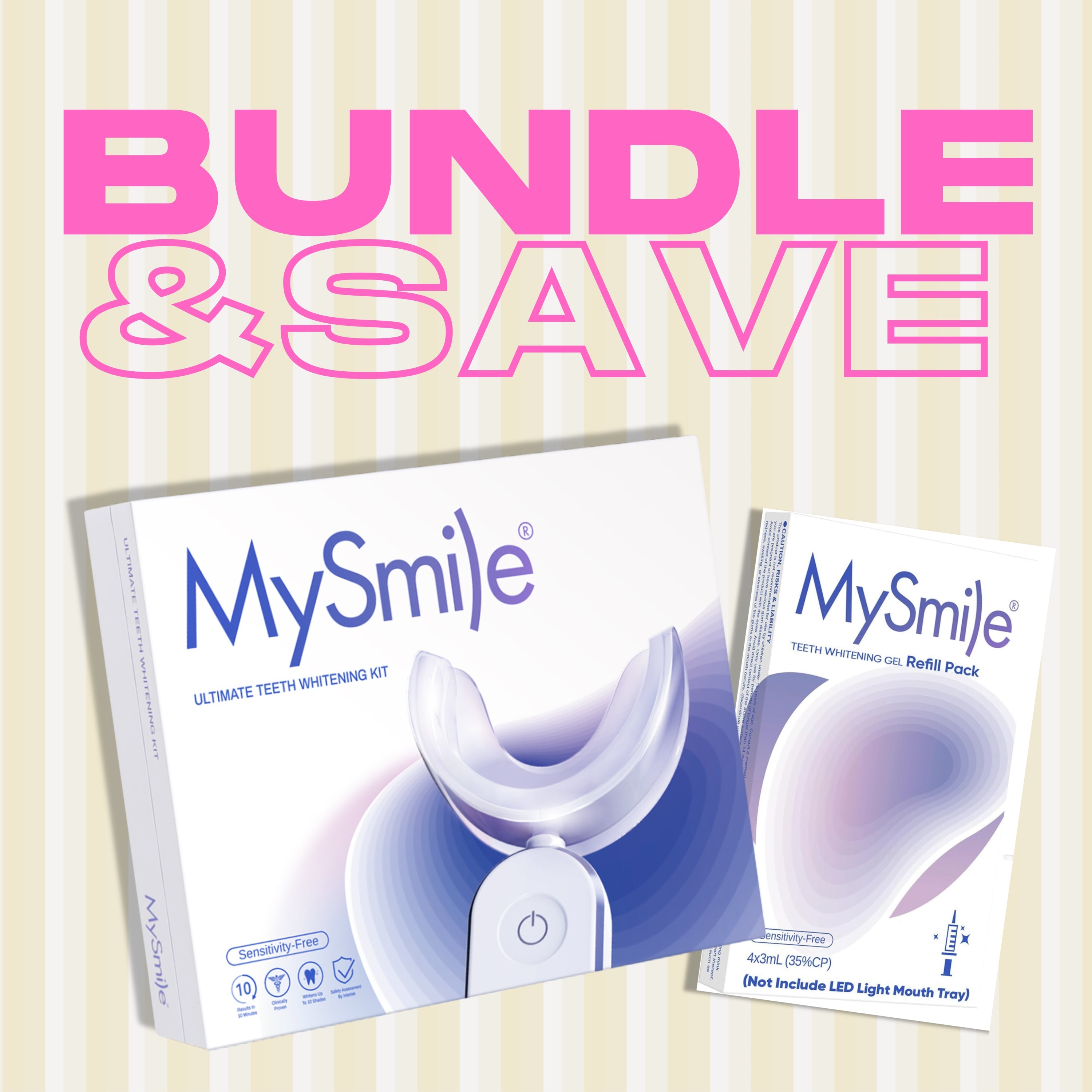
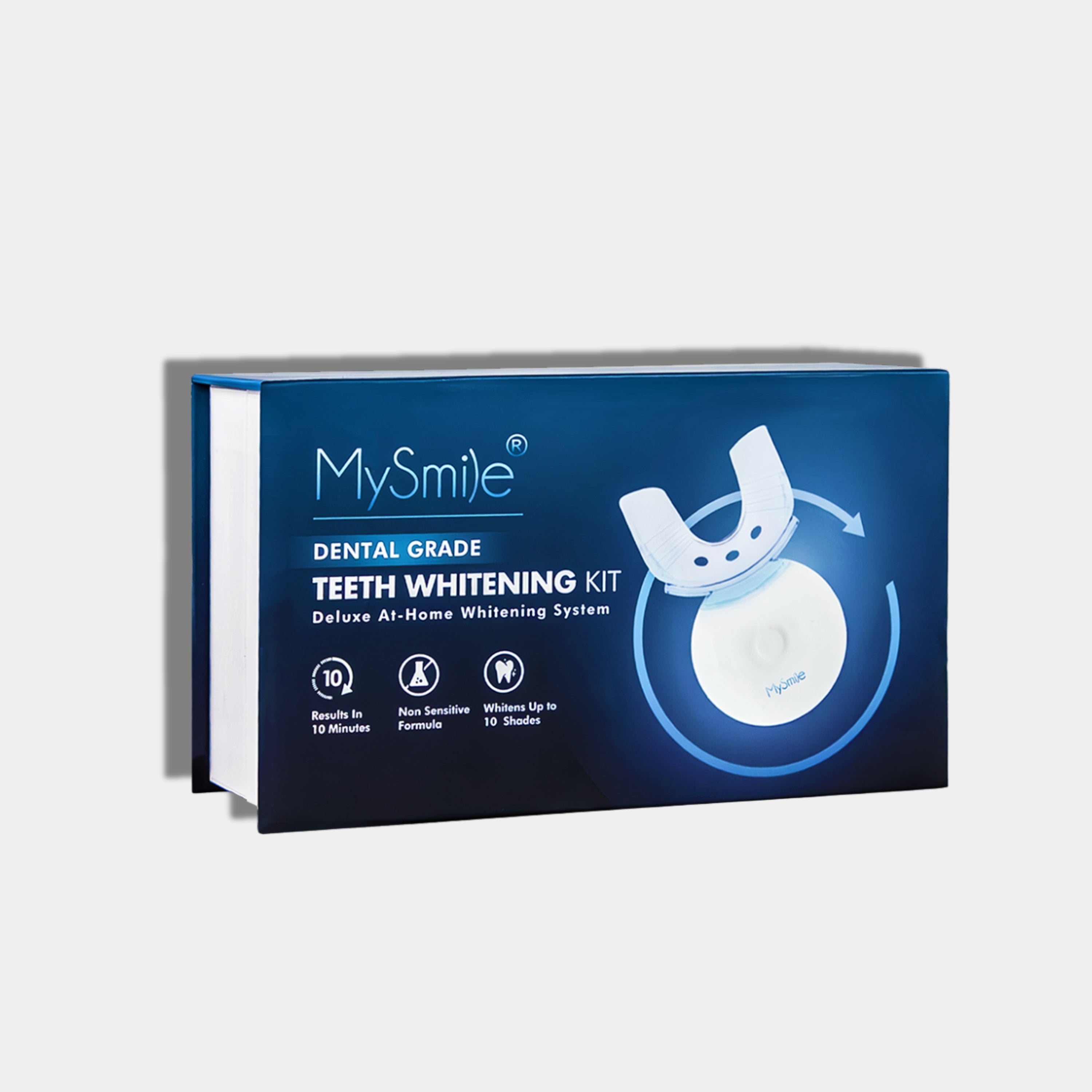
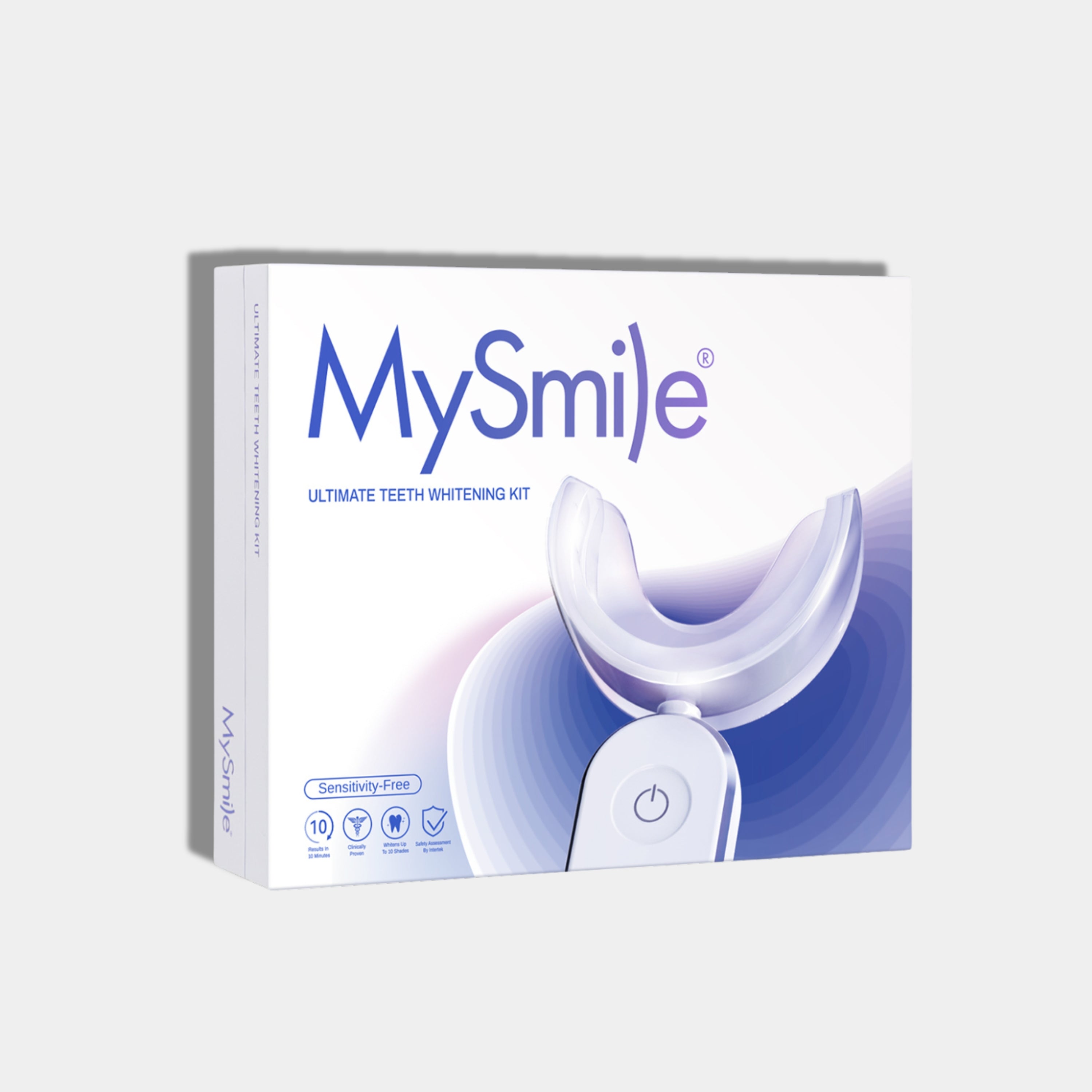
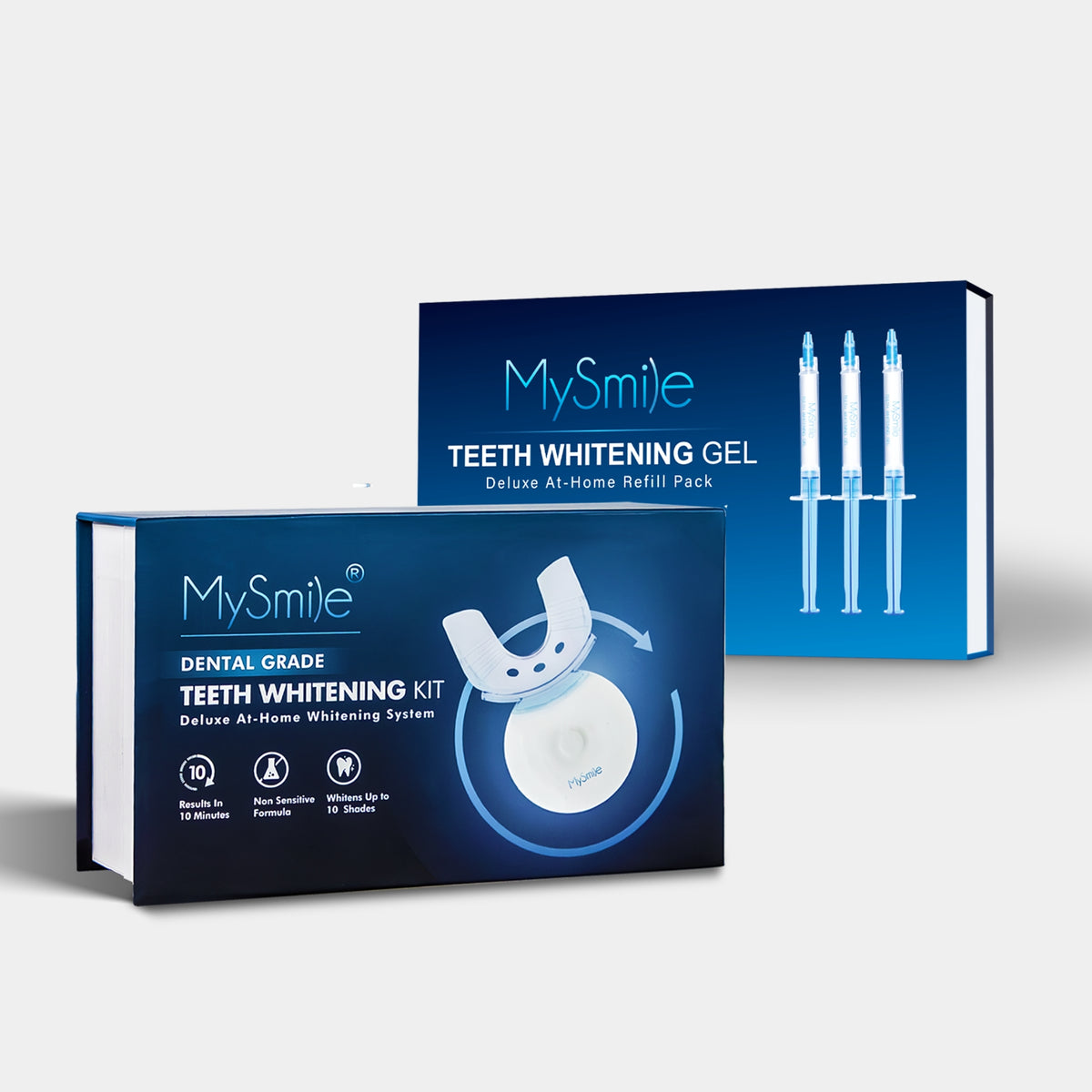
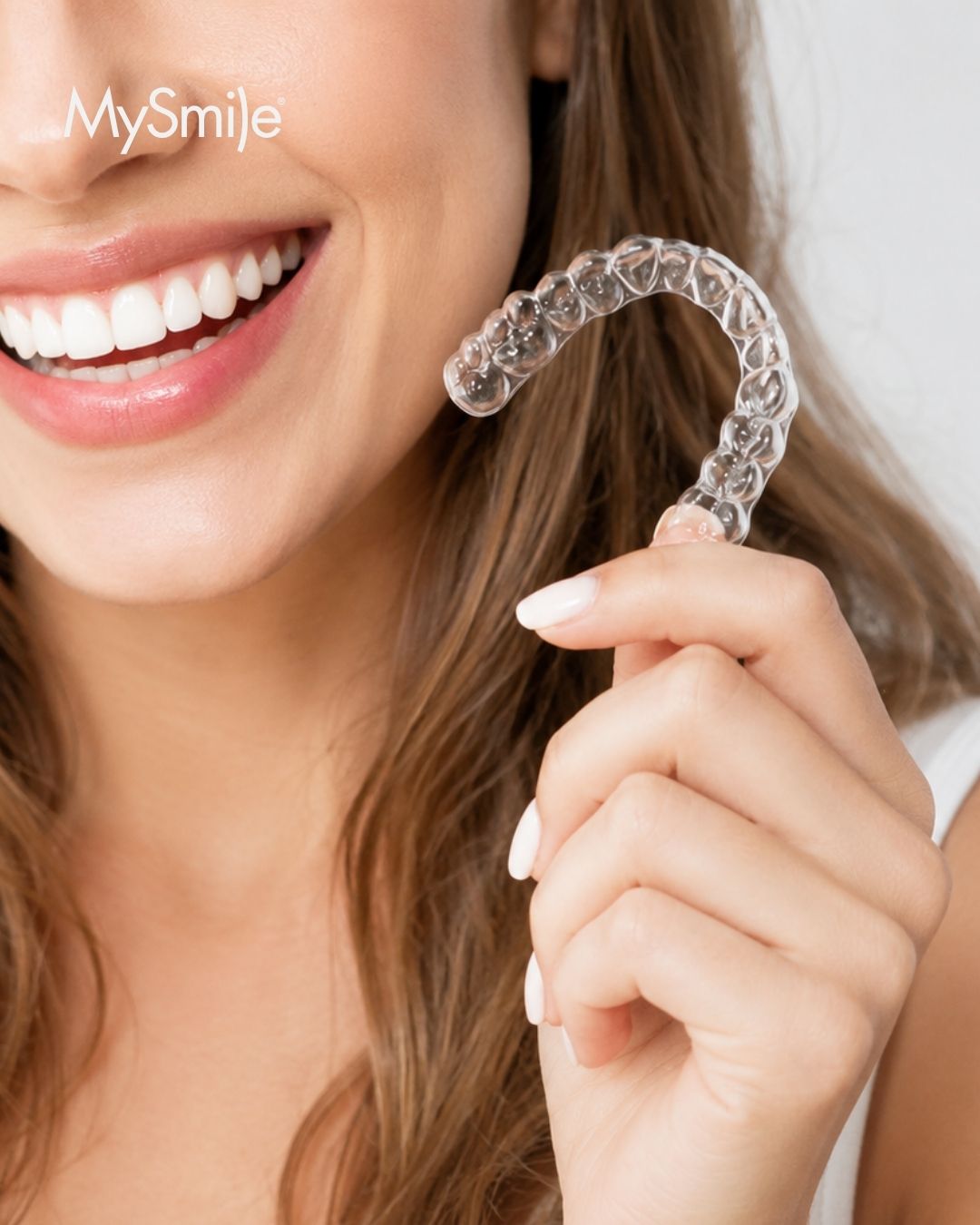
The MySmile Original 5X Teeth Whitening Kit with LED Light pairs carbamide peroxide gel with an LED mouthpiece. The current listing offers 18% and 35% carbamide peroxide options.
This format may suit you if you prefer setting aside time for a dedicated whitening session. Follow the instructions supplied with your selected gel strength. A higher percentage is not a reason to extend treatment time or add extra sessions.
Choose based on your comfort, instructions, and preferred format—not the number of LEDs alone. The peroxide gel provides the bleaching chemistry; the light is part of the kit’s design. ADA: whitening agents.
How long does teeth brightening take?
There is no single timeline for every product called a teeth brightener.
-
Color correction: judge it as a cosmetic effect, not a completed bleaching treatment.
-
Whitening strips: use the schedule for the specific strips you purchased.
-
Gel kits: use the directions for your selected formula and strength.
For context, dentist-provided home whitening can take days to weeks. That is not a universal schedule for retail products. ADA: at-home whitening options.
When tracking your own progress, take photos in the same location and lighting without filters. Comparing a flash photo with a dim bathroom selfie can make the result difficult to judge.
Can teeth brighteners cause sensitivity?
Peroxide whitening can cause temporary sensitivity and gum irritation. Sensitivity can involve peroxide reaching tissues inside the tooth; it does not automatically mean enamel has been stripped away. Gel contacting the gums can also irritate them. ADA: whitening adverse effects.
Have your teeth and gums checked before bleaching, particularly if you already have discomfort. If treatment causes bothersome side effects, pause and speak with your dentist. The NHS teeth-whitening guidance emphasizes checking dental health before treatment and seeking advice about side effects.
Are natural teeth brighteners a better choice?
“Natural” does not automatically mean safer or more effective. Rubbing lemon juice or vinegar on teeth can expose enamel to damaging acids. Aggressive scrubs can wear teeth down, and oil pulling has not been shown reliably to whiten teeth.
Instead of mixing a DIY brightener, choose a formulated product with clear directions. For everyday maintenance, brush twice a day for two minutes, clean between teeth daily, limit stain-causing drinks, avoid tobacco, and keep regular dental appointments. ADA: natural teeth-whitening facts.
Frequently asked questions
What is the best teeth brightener?
Start with the result you want. Compare purple color correction for a cosmetic refresh, strips for a mouthpiece-free treatment format, and a gel kit for a dedicated whitening routine. There is no single product that fits every smile or preference.
Will whitening work on crowns, veneers, or fillings?
Bleaching does not change the color of these restorations the way it changes natural teeth. Discuss your desired shade with a dentist if you have visible dental work. ADA: whitening limitations.
Can I use a teeth brightener every day?
That depends on the product. A daily toothpaste and a whitening treatment course have different directions. Use the frequency on your label rather than creating one schedule for all brightening products.
Is teeth whitening permanent?
No. Teeth can become stained again, and maintenance needs vary. Follow your dentist’s advice and product directions instead of repeatedly whitening on a fixed schedule you found online. NHS: teeth whitening.
Does an LED light whiten teeth by itself?
In a peroxide whitening kit, the gel is the bleaching agent. Do not expect the light alone to replace the gel or the prescribed treatment process. ADA: whitening methods.
Find your MySmile routine
Prefer a cosmetic brightening step? Explore MySmile Purple Color Correcting Toothpaste. Want a whitening treatment format you can build into your schedule? Compare MySmile Teeth Whitening Strips with the Original 5X Teeth Whitening Kit.

