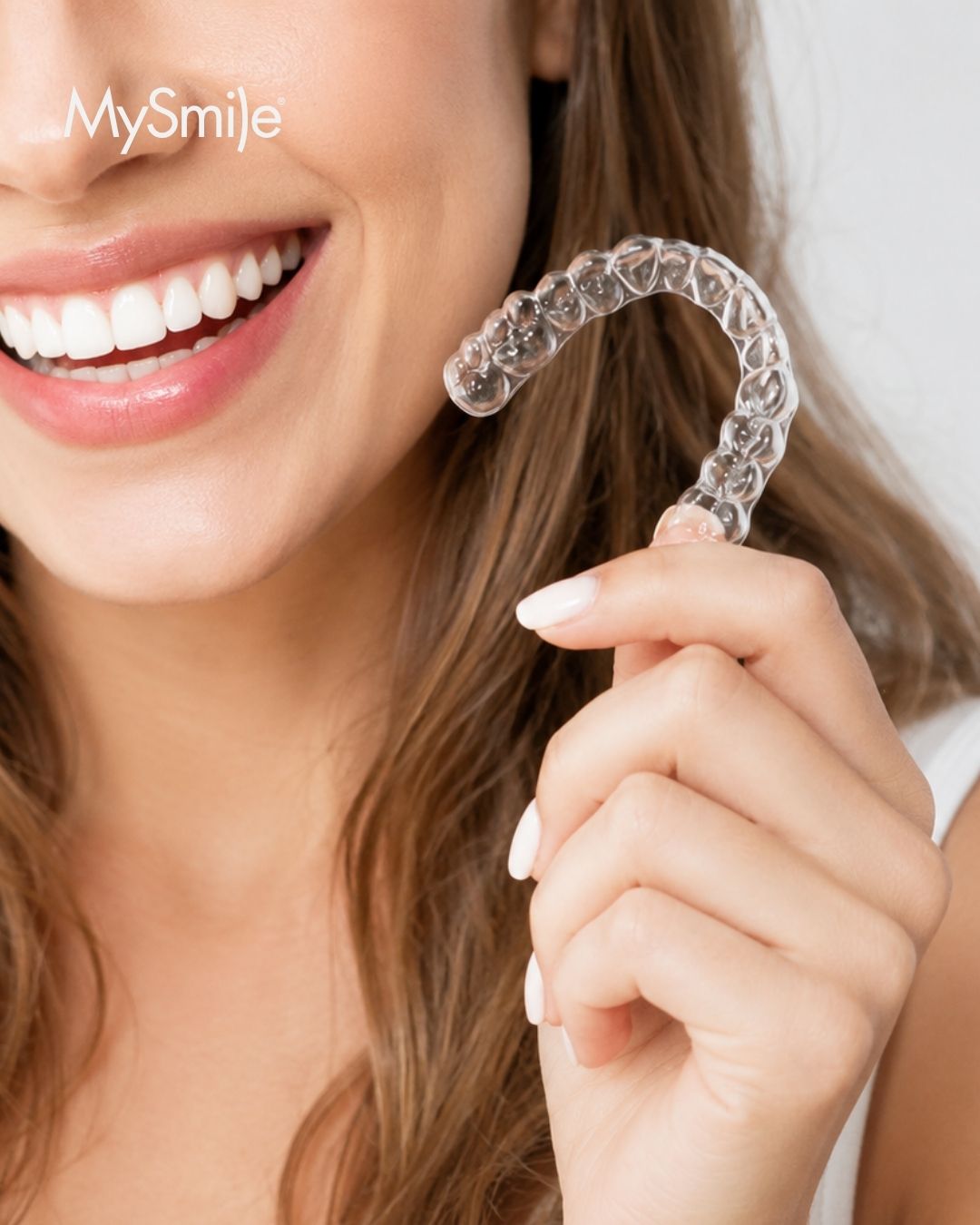

The best retainer cleaner is one that removes everyday residue without scratching, clouding or warping your dental appliance—and is easy enough to use consistently. For most people, an ultrasonic retainer cleaner is the best hands-free option for routine cleaning, while retainer cleaner tablets are an affordable, portable choice for soaking and refreshing removable appliances. Using the two as part of the same care routine can offer the convenience of ultrasonic cleaning plus the freshening action of a specially formulated tablet.
Clear retainers and aligners spend hours in close contact with your teeth and saliva. Without regular care, plaque, dried saliva, food residue and odor can build up on the appliance. A quick rinse is helpful, but it may not reach every groove or tight corner.
This guide compares the most useful retainer-cleaning methods in 2026 and explains how to choose the right one for clear retainers, aligners, Hawley retainers, night guards, mouth guards and dentures.
Quick Answer: What Is the Best Retainer Cleaner?
The best choice depends on how and where you clean your appliance:
| Cleaning option | Best for | Typical time | Main advantage | What to know |
|---|---|---|---|---|
| Ultrasonic retainer cleaner | Easy, hands-free home cleaning | About 5 minutes with the MySmile MS208 | Reaches small grooves and hard-to-clean areas without manual scrubbing | Requires a device and access to water |
| Retainer cleaner tablets | Soaking, odor control and travel | 10–15 minutes with MySmile tablets | Pre-measured, portable and simple to use | Appliance must be rinsed thoroughly afterward |
| Ultrasonic cleaner + tablet | A more complete periodic cleaning routine | Follow both product directions | Combines ultrasonic action with a cleaning solution | Confirm compatibility with your appliance and do not exceed its care instructions |
| Soft brush + mild cleanser | Basic daily maintenance | 1–2 minutes | Low-cost and accessible | Avoid abrasive toothpaste and hard brushing |
| Water rinse only | Immediate cleaning after removal | Less than 1 minute | Helps stop saliva and residue from drying | Usually not enough as the only long-term cleaning method |
Our practical pick: Use the MySmile MS208 UVC Ultrasonic Cleaner for convenient routine cleaning. Keep MySmile Denture and Retainer Cleaner Tablets on hand when you want a cleaning solution or need a portable option.
Why Retainers and Aligners Need Regular Cleaning
A removable dental appliance sits directly against surfaces where plaque naturally forms. When residue dries, the appliance may begin to look cloudy, develop an odor or feel less fresh to wear.
Regular cleaning helps:
-
Remove visible residue before it becomes harder to lift
-
Reduce odor-causing buildup
-
Keep clear appliances looking clearer
-
Make a retainer or aligner more comfortable to wear
-
Protect the appliance from damaging cleaning habits
The American Association of Orthodontists recommends rinsing removable retainers in lukewarm water when they are removed, cleaning them regularly and avoiding hot water. The AAO also lists special retainer-cleaning solutions and ultrasonic cleaners among the available deep-cleaning options.
Best Overall for Hands-Free Cleaning: MySmile MS208 UVC Ultrasonic Cleaner
The MySmile MS208 UVC Ultrasonic Cleaner is our best overall pick for people who want a fast, low-effort retainer-cleaning machine at home or while traveling.
Instead of relying on a brush to touch every groove, the MS208 uses ultrasonic action in water to help loosen buildup from detailed and hard-to-reach areas. It combines ultrasonic cleaning and UV in one compact device and runs a cleaning cycle in about five minutes.
Why the MS208 stands out
-
About a five-minute cycle: Easy to fit into a morning or evening routine
-
Ultrasonic + UV in one device: Two functions in a compact countertop cleaner
-
No manual scrubbing required: Useful for delicate clear appliances and detailed surfaces
-
Cordless and USB-C rechargeable: Convenient for bathrooms, dorms and travel
-
Simple one-touch operation: No complicated routine or measuring
-
Multiple uses: Designed for retainers, aligners, dentures, mouth guards and night guards
-
Tablet optional: Water can be used for routine cleaning; a compatible cleaning tablet may be added when desired
-
One-year warranty: Covered by MySmile’s warranty program
Who should choose an ultrasonic retainer cleaner?
An ultrasonic cleaner may be the best fit if you:
-
Wear a retainer or night guard most nights
-
Want a hands-free alternative to brushing
-
Have an appliance with grooves that are difficult to clean
-
Prefer a reusable device over relying only on disposable products
-
Need a compact cleaner that can travel with you
How to use the MySmile MS208
-
Rinse loose debris from the appliance with lukewarm water.
-
Add water to the MS208 according to the product instructions.
-
Place the removable appliance in the chamber.
-
Close the lid and start the cleaning cycle.
-
When the approximately five-minute cycle ends, remove and rinse the appliance before wearing it.
-
Empty and rinse the cleaner’s chamber, then allow it to dry.
Always follow the instructions supplied with the device and the care guidance provided by your orthodontist or appliance manufacturer.
Shop the device: MySmile MS208 UVC Ultrasonic Cleaner
Best Portable Option: MySmile Denture and Retainer Cleaner Tablets
For an affordable cleaner that fits easily in a travel bag, desk drawer or bathroom cabinet, MySmile Denture and Retainer Cleaner Tablets are the most convenient choice.
The effervescent tablets dissolve in warm—not hot—water and help remove residue, stains and odor from removable dental appliances. Each package contains 120 individually easy-to-use tablets, providing up to four months of daily cleaning when used once per day.
Why choose retainer cleaner tablets?
-
Pre-measured: No pouring or mixing multiple ingredients
-
Fast-acting: Designed to work in approximately 10–15 minutes
-
Non-abrasive: Made for gentle daily cleaning without scrubbing
-
Travel-friendly: Easy to pack and use wherever you have a cup and water
-
Versatile: Suitable for retainers, clear aligners, mouth guards, night guards and dentures
-
Useful with an ultrasonic cleaner: Can be paired with the MySmile MS208 when a cleaning solution is desired, following the directions for both products
How to use MySmile Retainer Cleaner Tablets
-
Fill a clean container with warm water. Do not use hot or boiling water.
-
Drop one tablet into the water.
-
Fully submerge your retainer, aligner, mouth guard or denture.
-
Allow it to soak for 10–15 minutes, or follow the instructions on the package.
-
Rinse the appliance thoroughly under running water before placing it back in your mouth.
If your orthodontist or appliance manufacturer provides different cleaning instructions, follow those directions first.
Shop the tablets: MySmile Denture and Retainer Cleaner Tablets—120 Count
Ultrasonic Retainer Cleaner vs. Cleaning Tablets
An ultrasonic cleaner and cleaning tablets do different jobs, so one does not necessarily replace the other.
Choose an ultrasonic cleaner if:
-
You want a reusable, hands-free cleaning method
-
You clean your appliance at home most days
-
You want cleaning action that reaches small crevices
-
You prefer to reduce manual brushing
Choose tablets if:
-
You want a compact option for travel
-
Your main concerns are odor, residue or discoloration
-
You do not want to purchase a device
-
You prefer a pre-measured soaking solution
Use both if:
-
You want ultrasonic action plus a formulated cleaning solution
-
Your appliance needs more than a water-only cycle
-
The tablet, device and dental appliance instructions confirm they are compatible
For many users, the most realistic routine is an ultrasonic water cycle for convenient cleaning and a tablet when additional soaking or freshening is wanted. Avoid mixing products or extending soak times beyond the instructions in an attempt to make the appliance “extra clean.” More chemical exposure is not always better for plastic or acrylic materials.
What to Look for in the Best Retainer Cleaner
1. Compatibility with your appliance
Clear aligners, clear retainers, Hawley retainers, night guards and dentures can be made from different materials. Check the instructions from your dentist, orthodontist or appliance manufacturer before using a new device or solution—especially if the appliance includes metal, soft lining, acrylic or attached components.
2. A non-abrasive cleaning method
Abrasive toothpaste can scratch plastic and make clear appliances look dull. A 2026 laboratory study published on PubMed found that daily toothbrush-and-toothpaste cleaning significantly reduced light transmission through PET-G aligner material compared with the other tested methods. Because this was an in-vitro study of one material, it should not be treated as proof about every retainer; however, it supports choosing gentler, non-abrasive care for clear appliances.
3. Water temperature
Use lukewarm or warm water only. Hot or boiling water may distort thermoplastic appliances and change their fit. If a retainer becomes warped or suddenly feels different, stop using DIY fixes and contact your orthodontist.
4. Cleaning time
The best cleaner is one you will actually use. A five-minute ultrasonic cycle works well for a quick home routine, while a 10–15-minute tablet soak is easy to use while brushing your teeth, showering or getting ready.
5. Ease of rinsing and drying
Any cleaning solution should be rinsed off thoroughly unless its label explicitly says otherwise. Clean the appliance case too, and allow it to dry as directed so you are not putting a freshly cleaned retainer back into a dirty container.
6. Honest, specific claims
Be cautious with vague promises such as “sterilizes everything” or “kills all germs.” Cleaning, sanitizing and sterilizing are not interchangeable terms. Look for clear instructions, material compatibility and realistic descriptions of what the cleaner is designed to do.
The Best Cleaning Routine for a Retainer or Aligner
Consistency matters more than using a complicated routine.
Every time you remove it
-
Rinse the appliance promptly with lukewarm water so saliva and residue do not dry on the surface.
-
Store it in a clean, ventilated case when appropriate.
-
Brush and floss your teeth before reinserting a clear aligner, unless your dental professional instructs otherwise.
For routine cleaning
-
Run a water cycle in an ultrasonic cleaner according to the device instructions, or
-
Gently clean the appliance with a soft brush and a compatible mild cleanser.
For periodic soaking or freshening
-
Use a retainer-cleaning tablet according to its label and your appliance instructions.
-
Rinse the appliance thoroughly before use.
The AAO’s general care guidance suggests regular daily care and periodic use of an appropriate retainer-cleaning solution. Your own orthodontist’s instructions should take priority because they know the material and construction of your appliance.
How to Clean Different Types of Dental Appliances
Clear retainers and clear aligners
Use lukewarm water and a non-abrasive cleaner. Avoid hot water and abrasive toothpaste, which may affect fit or clarity. An ultrasonic cleaner can be especially helpful for small grooves and edges.
Hawley retainers
Hawley retainers combine acrylic and metal wire. Use only methods compatible with both materials, rinse thoroughly and avoid bending the wire while handling or brushing.
Night guards and mouth guards
Rinse promptly after use and clean according to the manufacturer’s instructions. Because these appliances can be thicker and have deep impressions, ultrasonic cleaning may help reach recessed areas.
Dentures
Dentures have their own material and fit requirements. Use a denture-compatible cleaning method, handle them carefully and follow your dental professional’s directions. Never assume every retainer product is suitable for every denture material.
Permanent or bonded retainers
Do not place a fixed retainer in an ultrasonic cleaner or soaking solution—it is attached to your teeth. Brush around the wire carefully and use floss threaders, interdental brushes or another method recommended by your dental professional.
Retainer-Cleaning Mistakes to Avoid
-
Do not use hot or boiling water. Heat may warp plastic appliances.
-
Do not scrub clear retainers with abrasive toothpaste. It may leave microscopic scratches or reduce clarity.
-
Do not use bleach, household disinfectants or harsh chemicals. They may damage the appliance or leave unsafe residue.
-
Do not put your retainer in a dishwasher. Heat and detergent can damage it.
-
Do not soak it in mouthwash without checking compatibility. Alcohol, colorants or other ingredients may affect some materials.
-
Do not use a sharp tool to scrape off buildup. You could gouge or crack the appliance.
-
Do not ignore a change in fit. Cleaning cannot correct a warped, cracked or poorly fitting retainer.
Frequently Asked Questions
What is the best retainer cleaner in 2026?
For convenient hands-free cleaning, an ultrasonic retainer cleaner is the strongest all-around choice. For soaking, travel and odor control, retainer cleaner tablets are a practical option. The best routine may include both, provided they are compatible with your appliance.
Do ultrasonic retainer cleaners really work?
Ultrasonic cleaners create rapid movement in liquid that helps loosen residue from surfaces and small crevices. They can reduce the need for manual scrubbing, but they do not repair stains, scratches, cracks or hardened deposits that require professional attention. Results depend on the device, cycle, solution, appliance material and condition of the buildup.
Can I put a cleaning tablet in an ultrasonic retainer cleaner?
The MySmile MS208 can be used with water for routine cleaning, and a compatible tablet may be used when deeper cleaning is desired. Follow the directions for the cleaner, tablet and dental appliance. Do not combine unrelated chemicals.
How often should I clean my retainer?
Rinse it whenever you remove it and follow a consistent cleaning schedule. The exact frequency for tablets or an ultrasonic device depends on the product instructions, how often you wear the appliance and your orthodontist’s advice.
Can I clean a retainer with toothpaste?
It is generally better to avoid abrasive toothpaste on clear plastic retainers and aligners because it may scratch or dull the surface. Use a non-abrasive product that is compatible with your appliance.
Can I use denture cleaner on a retainer?
Only if the product label and your orthodontist confirm it is compatible with your retainer’s materials. Dentures, clear plastic retainers and Hawley retainers are not made the same way, so a product designed for one appliance is not automatically right for another.
Why does my retainer still smell after cleaning?
Persistent odor may come from residue in small crevices, an unclean case, surface scratches or an aging appliance. Clean the case, follow an appropriate deep-cleaning routine and allow both to dry as directed. If the odor remains—or if you see cracks, heavy deposits or a change in fit—contact your orthodontist.
Is UV the same as ultrasonic cleaning?
No. Ultrasonic cleaning uses high-frequency sound energy in liquid to help loosen debris. UV is a separate light-based feature. A device may offer both, as the MySmile MS208 does, but the terms should not be used interchangeably.
Can an ultrasonic cleaner remove hardened tartar from a retainer?
A home ultrasonic cleaner may loosen routine residue, but hardened mineral deposits can be difficult to remove safely. Do not scrape them with sharp objects. Ask your orthodontist whether the appliance needs professional cleaning or replacement.
Final Verdict: Which Retainer Cleaner Should You Buy?
Choose the cleaner that matches your routine:
-
Best overall for convenient home cleaning: MySmile MS208 UVC Ultrasonic Cleaner
-
Best for travel, soaking and value: MySmile Denture and Retainer Cleaner Tablets—120 Count
-
Best complete routine: Use the MS208 for hands-free ultrasonic cleaning and add a compatible tablet when desired, following all product and appliance instructions.
A clean retainer should not require risky DIY hacks or aggressive scrubbing. With lukewarm water, a non-abrasive cleaning method and a routine you can repeat consistently, it is easier to keep your dental appliance fresh, clear and ready to wear.
Dental care note: This article provides general oral-appliance care information and is not a substitute for advice from your dentist or orthodontist. Always follow the instructions supplied with your specific appliance.