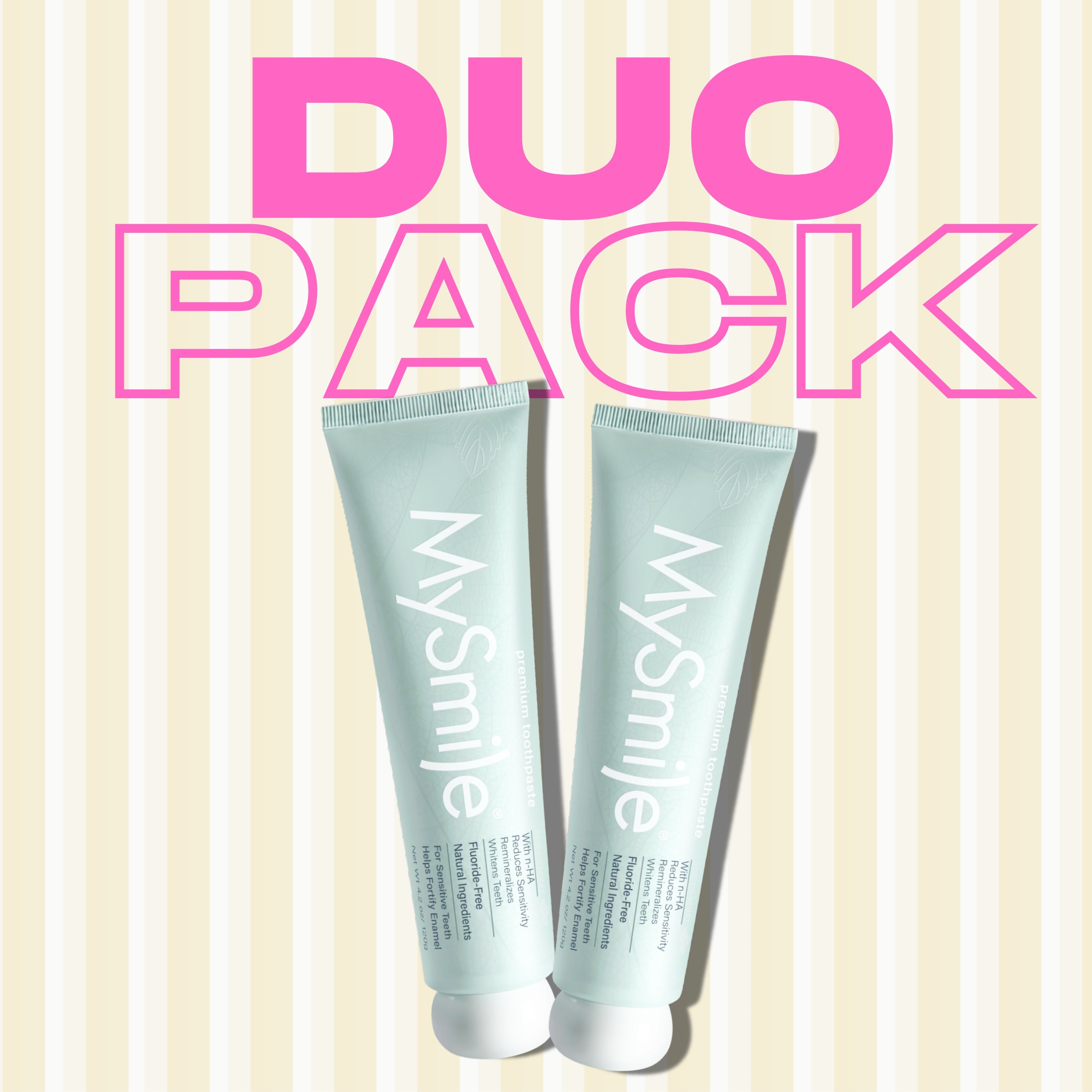
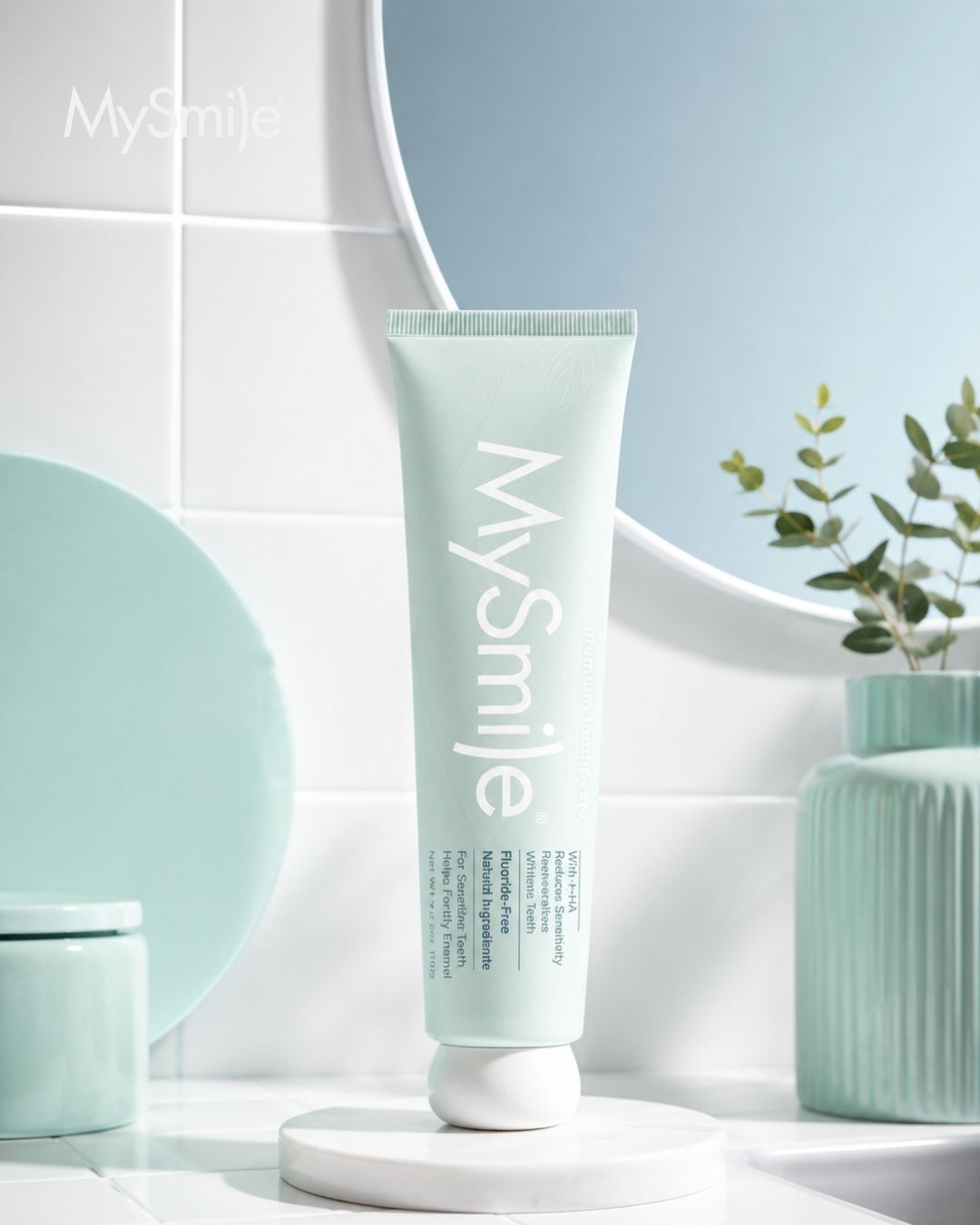

Fluoride has long been a cornerstone of preventive dentistry — yet a growing number of patients are seeking fluoride-free alternatives due to sensitivities, personal preferences, or medical considerations.
To understand who truly benefits from fluoride-free toothpaste, we asked Lisa Curbow, RDH — a 30-year clinical hygienist and Certified Dementia Practitioner — to share her expert perspective.
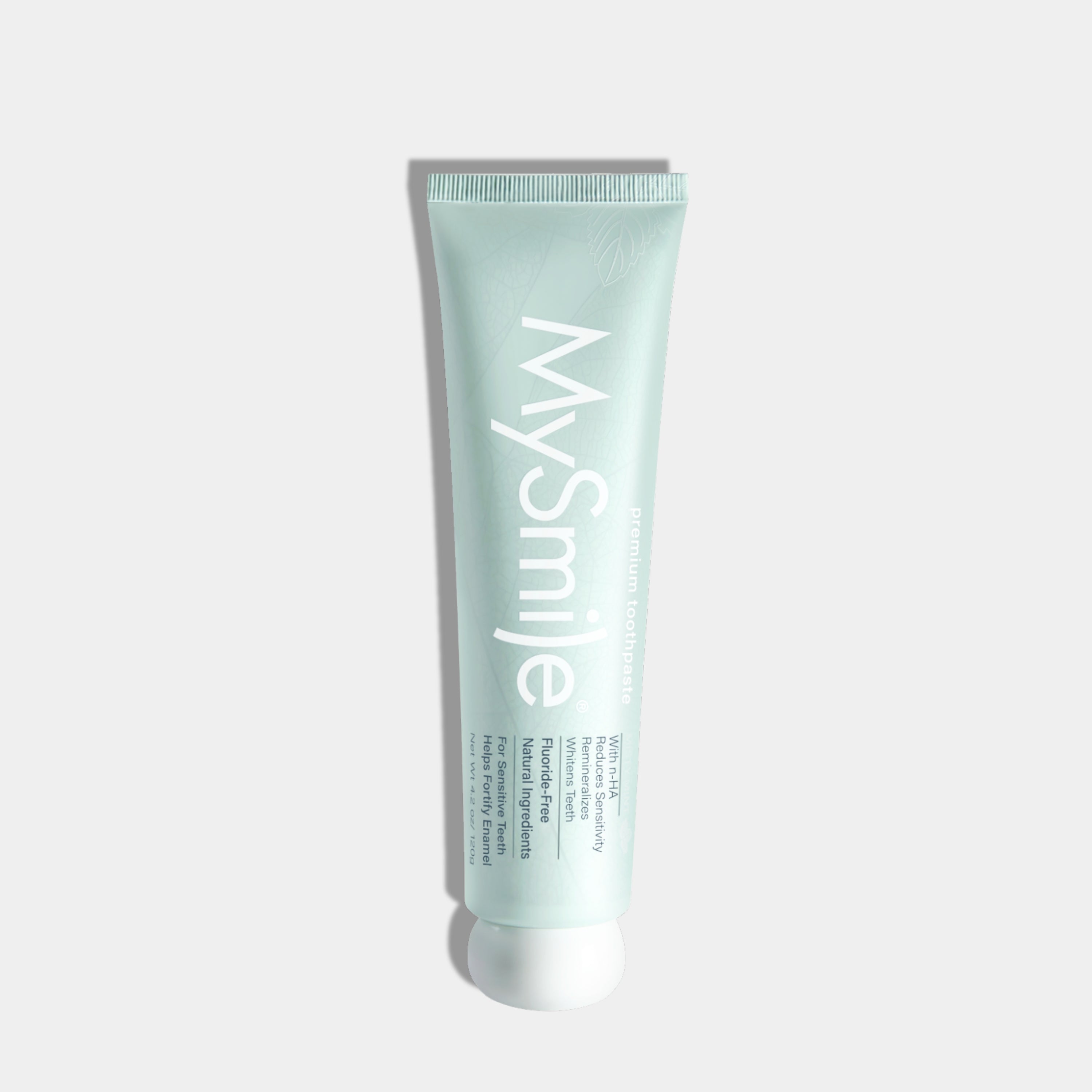
After evaluating the MySmile Fluoride-Free Nano Hydroxyapatite Toothpaste, Lisa offered insights that blend clinical experience with practical patient understanding.
“Fluoride-free isn’t for everyone — but for the patients who need it, it can be life-changing.”
— Lisa Curbow, RDH
Fluoride-free oral care has become more visible, but Lisa emphasizes that the reasons behind it are often medical, sensory, or tolerance-related, not trend-driven.
Here are the patient groups she sees benefiting most.
1. Patients with Sensory Sensitivities
(Autism spectrum, sensory processing differences, neurological conditions)
Many standard toothpastes contain:
-
strong mint oils
-
SLS detergents
-
sharp, cooling sensations
-
intense foaming
For sensory-sensitive patients, brushing can become stressful or even painful.
“I have patients who simply cannot tolerate the intensity of traditional toothpastes. A gentle, fluoride-free formula makes brushing possible for them.”
MySmile’s mild mint + low-foam format fits this need especially well.
2. Patients With Chronic Dry Mouth (Xerostomia)
(Medication-induced dry mouth, autoimmune disease, aging populations)
Dry mouth reduces saliva — and saliva is what fluoride depends on to work effectively.
“In low-saliva environments, hydroxyapatite can sometimes offer more consistent support than fluoride.”
nHAp does not require saliva activation, making it beneficial for:
-
Sjögren’s
-
cancer patients
-
older adults
-
long-term medication users
3. Patients Undergoing Medical Treatment
Chemotherapy, radiation therapy, and certain systemic medications can make the mouth:
-
more acidic
-
more reactive
-
more sensitive to ingredients
Some of these patients cannot tolerate strong flavors or foaming agents.
Lisa notes:
“For medically fragile patients, the gentlest formula is often the safest formula.”
4. Dementia & Special Needs Patients
Lisa, as a Certified Dementia Practitioner, emphasized that toothbrushing success often depends on comfort.
“If a product burns, stings, or foams too much, many dementia patients will refuse brushing altogether.”
Fluoride-free + low-intensity formulas help caregivers maintain consistent oral hygiene.
5. Adults Seeking Cleaner Ingredients
Some patients prefer fluoride-free options because they:
-
want a simpler ingredient list
-
follow clean-beauty or clean-living lifestyles
-
value plant-derived surfactants
-
avoid SLS, dyes, or artificial additives
Lisa explains:
“These patients want something gentle, but still effective. That’s where hydroxyapatite shines.”
6. Patients Recovering from Whitening or Experiencing Sensitivity
Fluoride helps sensitivity through nerve desensitization.
Hydroxyapatite reduces sensitivity by physically rebuilding the enamel surface.
This structural repair makes nHAp a smart choice after:
-
whitening treatments
-
acidic beverage habits
-
enamel erosion
-
aggressive brushing
MySmile’s nHAp formula supports this recovery without harsh whitening abrasives.
Why Lisa Recommends MySmile’s Fluoride-Free Formula for These Groups
After testing MySmile's hydroxyapatite toothpaste, Lisa highlighted five clinical advantages:
✔ Gentle, low-foam
✔ Mild mint suitable for sensory-sensitive patients
✔ SLS-free and plant-derived cleansers
✔ Effective enamel support without fluoride
✔ Smooth, non-abrasive texture
“It offers enamel support without the intensity that bothers so many of my sensitive patients.”
Fluoride-Free Is Not Anti-Fluoride — It’s Patient-Specific Dentistry
Lisa is clear:
“Fluoride is valuable. But fluoride-free formulas serve the people who need a different approach.”
The key is matching the right toothpaste to the right individual.
For many, fluoride-free hydroxyapatite toothpaste provides:
-
comfort
-
tolerability
-
enamel repair
-
long-term consistency in brushing habits
And that consistency, Lisa notes, is the foundation of oral health.
Conclusion: Fluoride-Free Can Be a Powerful Alternative — When Used for the Right Patient
Fluoride-free toothpaste is not a replacement for fluoride across the board.
Instead, it’s a thoughtful option for individuals who struggle with irritants, sensory triggers, or ingredient sensitivities — or who simply prefer a gentler approach to enamel support.
Lisa summarizes:
“When patients feel comfortable brushing, they brush more often — and that’s where the real benefit happens.”