
Do Water Flossers Work? Benefits, How to Use One, and Who They’re Best For
Brushing twice a day is essential, but a toothbrush cannot fully clean the narrow spaces between your teeth or around certain dental work. That is where interdental cleaning—using floss, an interdental brush, or a water flosser—comes in.
A water flosser directs a controlled, pulsating stream of water between the teeth and along the gumline. It can help loosen food debris and reduce plaque in areas that brushing may miss. It may be especially convenient for people with braces, bridges, sensitive gums, limited hand mobility, or difficulty using string floss.
In this guide, we’ll explain how water flossers work, their benefits, how they compare with traditional floss, and how to use one correctly.
What Is a Water Flosser?
A water flosser, sometimes called an oral irrigator, is a powered interdental-cleaning device. It uses a narrow stream of pressurized water to clean between teeth and around the gumline.
Most cordless water flossers include different pressure or cleaning modes, allowing users to begin gently and increase the intensity as they become more comfortable.
Water flossing does not replace brushing or professional dental care. Instead, it adds an important between-the-teeth step to a complete daily oral-care routine.
Do Water Flossers Actually Work?
Yes, water flossers can be an effective option for daily interdental cleaning when used correctly and consistently.
The American Dental Association notes that water flossers and other interdental cleaners can provide additional plaque-reduction benefits when used alongside regular toothbrushing. Clinical research has also found that adding an oral irrigator to brushing can improve plaque control and signs of gum inflammation, although individual results and oral-care needs vary.
The most important factor is consistency. The best interdental cleaner is one you can use correctly every day.
Seven Benefits of Using a Water Flosser
1. Cleans Areas Your Toothbrush May Miss
Even a high-quality toothbrush cannot fully reach every space between your teeth. A targeted water stream can help flush away trapped food and disturb plaque around these hard-to-reach areas.
This is particularly useful after eating foods that easily become stuck between teeth, such as meat, leafy vegetables, popcorn, seeds, or fibrous snacks.
2. Makes Cleaning Around Braces Easier
Brackets and wires create additional spaces where food and plaque can collect. Threading traditional floss around every bracket can also be time-consuming.
A water flosser allows you to direct water around brackets, under wires, and along the gumline. The ADA identifies water flossers as a possible option for people who have braces, fixed bridges, or dental work that makes hand flossing difficult.
A water flosser should still be used according to your orthodontist’s recommendations.
3. Offers Adjustable Cleaning for Sensitive Gums
A water flosser with adjustable pressure lets beginners start with a gentler setting. This can make daily interdental cleaning feel more approachable for people who find string floss uncomfortable or difficult to control.
The stream should feel comfortable—not painful. Higher pressure is not automatically more effective, so use the lowest setting that cleans comfortably.
4. May Help Support Healthier Gums
Plaque collecting along and between the gumline can contribute to inflammation. Cleaning between the teeth every day helps manage this buildup as part of a complete oral-care routine.
A randomized clinical trial published in 2023 found that adding an oral irrigator to toothbrushing improved measures of plaque and gingival health compared with brushing alone. However, a water flosser cannot diagnose or treat gum disease, and it cannot remove hardened tartar. Tartar must be removed by a dental professional.
5. Can Be Easier for People With Limited Dexterity
Wrapping and guiding string floss around each tooth requires coordination. People with arthritis, hand discomfort, mobility limitations, or dental appliances may find a powered device easier to manage.
Water flossing may also be a more realistic option for anyone who repeatedly skips traditional floss because the process feels too difficult or time-consuming.
6. Provides a Fresh, Just-Cleaned Feeling
Removing trapped food from between the teeth may leave the mouth feeling noticeably cleaner after meals. However, persistent bad breath can be associated with gum disease, cavities, dry mouth, infection, or other health conditions. If bad breath continues despite good oral hygiene, speak with a dentist.
7. Fits More Easily Into Travel Routines
Cordless water flossers do not require a bathroom outlet during use and can be easier to pack than a full-size countertop model. A rechargeable option can help users maintain their routine at college, at work, or while traveling.
Water Flosser vs. String Floss: Which Is Better?
Neither tool is automatically best for everyone.
String floss physically contacts the sides of each tooth and can work particularly well in tight spaces when used with the proper C-shaped technique. Water flossers are often easier to maneuver around braces, bridges, implants, crowns, and other dental work.
Your ideal choice depends on:
- The amount of space between your teeth
- Whether you have braces, bridges, implants, or other restorations
- Your gum health
- Your ability to handle string floss
- The method you are most likely to use consistently
Some people use a water flosser as their primary interdental cleaner, while others combine it with string floss or interdental brushes. A dentist or dental hygienist can recommend the most suitable method for your mouth.
How to Use a Water Flosser Correctly
Good technique helps you clean thoroughly while keeping the experience comfortable.
- Fill the reservoir with lukewarm water. Very cold water may feel uncomfortable if you have sensitive teeth.
- Attach the appropriate tip and make sure it is secured properly.
- Begin with a gentle mode or the lowest comfortable pressure, especially if you are new to water flossing.
- Lean over the sink and place the tip inside your mouth before switching on the device. Keep your lips partially closed to control splashing while allowing water to drain into the sink.
- Aim the stream at approximately a 90-degree angle toward the gumline. Avoid forcing the tip underneath the gum tissue.
- Follow the gumline slowly, pausing briefly between each tooth. Clean both the front and back sides of your teeth.
- Empty and rinse the reservoir after use, then allow the components to dry according to the product-care instructions.
A complete session usually takes about one minute once you become familiar with the routine.
Common Water-Flossing Mistakes
Starting With Too Much Pressure
Beginning on the strongest mode may cause discomfort or unnecessary splashing. Start gently and increase the pressure only if needed.
Moving Too Quickly
Simply sweeping the stream across the front of your teeth is not enough. Follow the entire gumline and pause between teeth where plaque and food commonly collect.
Pointing the Stream Directly Into the Gums
Aim along the gumline rather than forcing water beneath the gum tissue. Water flossing should feel controlled and comfortable.
Using It Only When Food Feels Stuck
Interdental plaque is not always visible or noticeable. Daily use is more helpful than using a water flosser only after certain meals.
Assuming It Replaces Brushing
A water flosser complements brushing; it does not replace it. Continue brushing twice daily for two minutes with an appropriate toothpaste.
Ignoring Persistent Bleeding
A small amount of bleeding can happen when beginning a new interdental-cleaning routine. According to the ADA, this may settle within about a week. However, gums that continue to bleed, feel swollen, or become painful should be evaluated by a dentist because bleeding can be a sign of gingivitis or another concern.
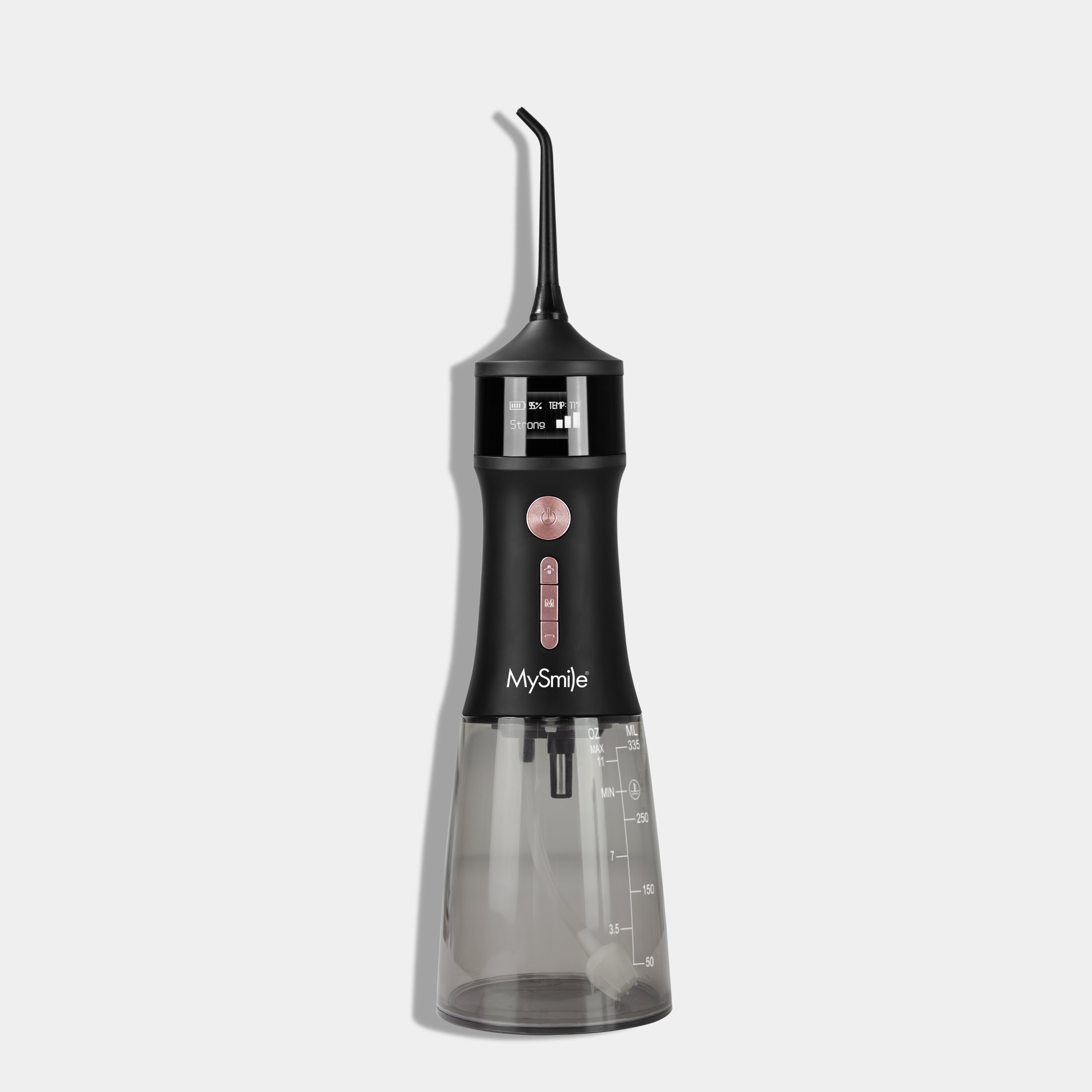
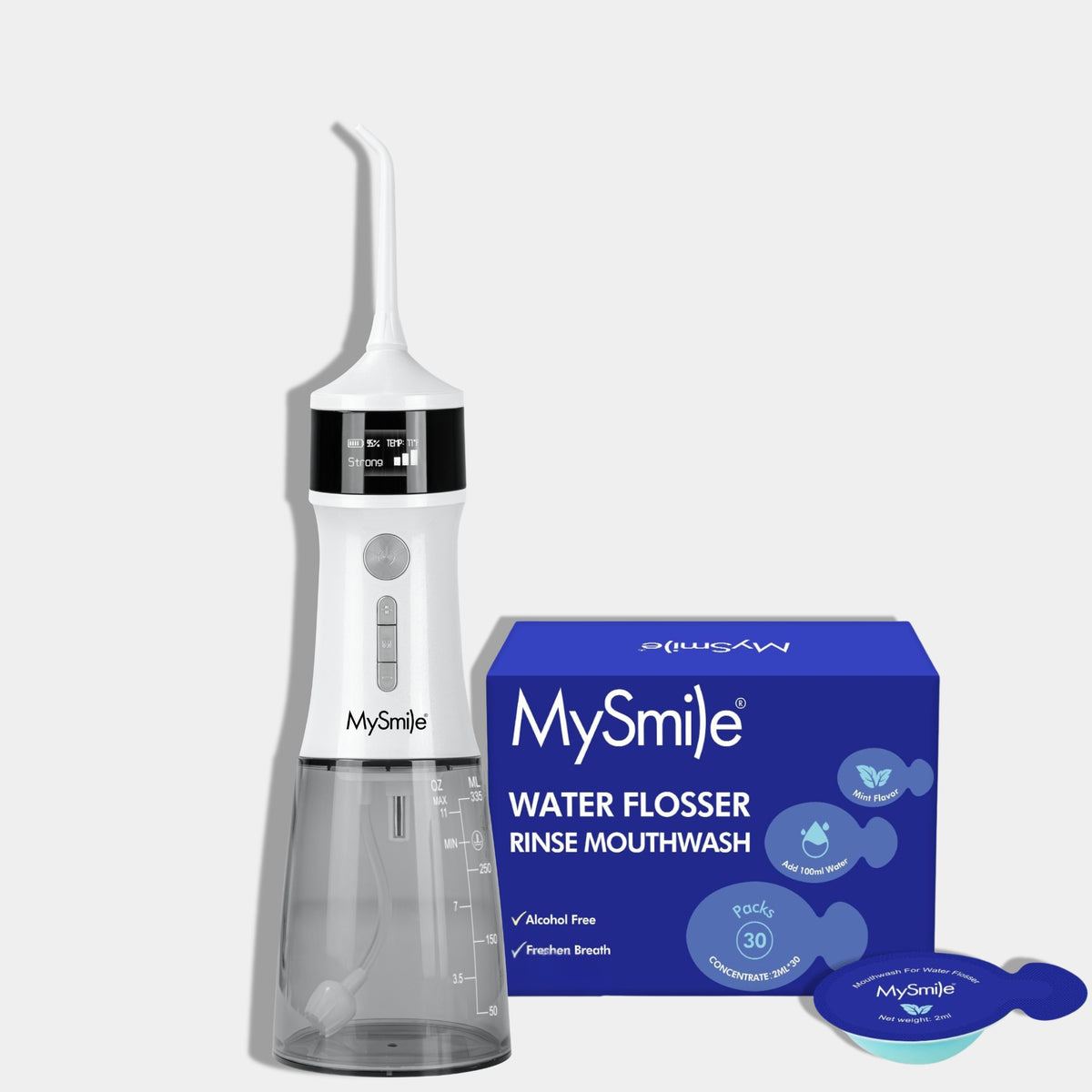
A Convenient Cordless Option: MySmile LP211 Water Flosser
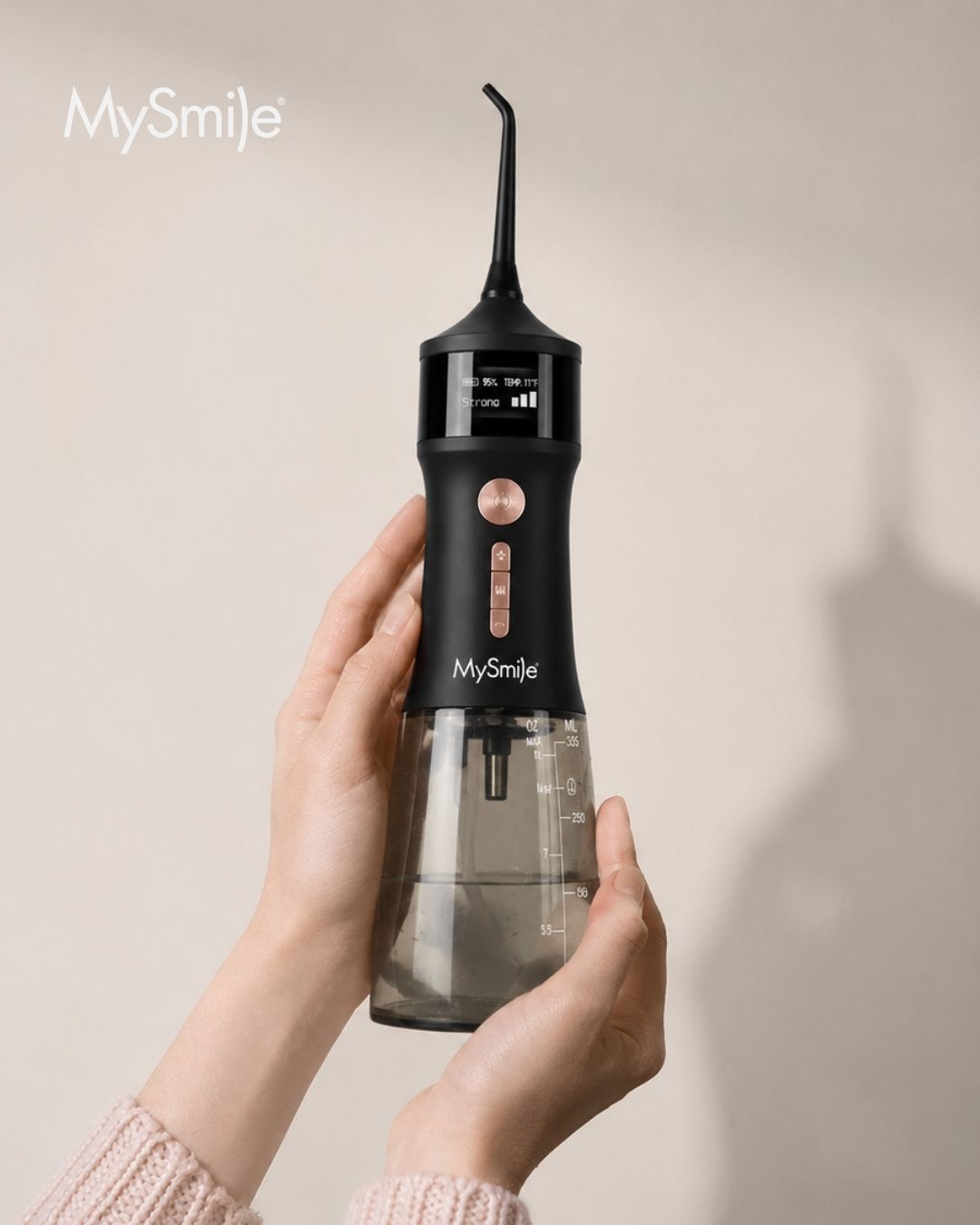
For anyone looking for an adjustable, cordless water flosser, the MySmile LP211 Cordless Select Water Flosser is designed for home and travel routines.
It features:
- 2,200–3,000 water pulses per minute
- Adjustable pressure from 50–150 PSI
- Five modes: Strong, Normal, Soft, Pulse, and Child
- A rechargeable 2,000mAh battery
- Up to 30–35 days of use per charge, depending on frequency and mode
- Four interchangeable tips
- A water-resistant travel pouch
- Black, white, and pink color options
- One-year warranty coverage
New users and people with sensitive gums can begin with Soft mode. Normal mode is designed for everyday cleaning, while the other settings allow the routine to be adjusted to individual comfort and oral-care needs.
Shop the MySmile LP211 Cordless Water Flosser
Where Does Water Flossing Fit Into Your Routine?
A simple daily routine could look like this:
- Water floss between the teeth and along the gumline.
- Brush for two minutes using gentle pressure.
- Clean your tongue.
- Use mouthwash if recommended or desired, but do not treat it as a replacement for brushing or interdental cleaning.
Water flossing before brushing may help loosen debris before toothpaste is applied, but consistency and correct technique matter more than the exact order.
Frequently Asked Questions
How often should I use a water flosser?
Most people can use a water flosser once daily as their between-the-teeth cleaning step. Your dentist may recommend a different schedule based on your gum health, braces, implants, or other dental needs.
Can I use a water flosser every day?
Yes. Water flossers are designed for regular use when operated according to their instructions. Start with a comfortable setting and avoid directing excessive pressure into the gums.
Can water flossing remove tartar?
No. It can help manage food debris and plaque before plaque hardens, but it cannot remove existing tartar. Hardened tartar requires professional dental cleaning.
Is a water flosser suitable for sensitive gums?
An adjustable water flosser may be helpful because you can begin with a lower-pressure mode. Stop and speak with a dentist if you experience pain, significant bleeding, or worsening sensitivity.
Can children use a water flosser?
Some models include a gentler setting, but children should use them with adult supervision and guidance from their dentist or orthodontist. Age, coordination, and individual dental needs should be considered.
Can I put mouthwash in the reservoir?
Use plain lukewarm water unless the device instructions specifically allow another solution. Certain ingredients may affect internal components, so always follow the manufacturer’s care directions.
The Bottom Line
Water flossers provide a convenient way to clean between teeth and around the gumline—areas that brushing alone may not fully reach. They can be especially useful for braces, bridges, sensitive gums, limited hand mobility, or anyone struggling to maintain a consistent string-floss routine.
They work best as one part of a complete routine that includes twice-daily brushing, daily interdental cleaning, a balanced diet, and regular dental visits.
Ready to make daily flossing easier? Explore the MySmile LP211 Cordless Select Water Flosser.
This article is for general educational purposes and is not a substitute for personalized advice, diagnosis, or treatment from a qualified dental professional.