
Between early classes, long commutes, work meetings, workouts, and late-night study sessions, oral care can easily become another task pushed to the bottom of the list. The good news? A consistent daily oral care routine does not need to involve ten products or take half an hour.
For most busy adults, the foundation is simple: brush for two minutes twice a day, clean between your teeth daily, drink water regularly, and visit your dentist as recommended. The American Dental Association recommends twice-daily, two-minute brushing and daily interdental cleaning as part of an effective home oral care routine.
With the right tools in the right places, maintaining your smile can feel less like a chore and more like an automatic part of your day.
The simple routine at a glance

| Time | What to do | Helpful tool |
|---|---|---|
| Morning | Brush every tooth surface for two minutes | MySmile DY156 Essential Sonic Toothbrush and MySmile Nano-Hydroxyapatite Toothpaste |
| During the day | Drink water after coffee, meals, and snacks | Refillable water bottle |
| Evening | Clean between teeth, then complete your two-minute brushing routine | MySmile LP211 Cordless Select Water Flosser, sonic toothbrush, and toothpaste |
| Every three to four months | Replace a worn toothbrush or brush head | DY156 replacement brush head |
| Regularly | Schedule preventive dental visits based on your dentist’s advice | Your dental professional |
Step 1: Start with a two-minute morning brushing routine
Morning brushing removes plaque that builds up overnight and helps you begin the day with a cleaner-feeling mouth. The most important part is not making the routine elaborate—it is brushing carefully and consistently.
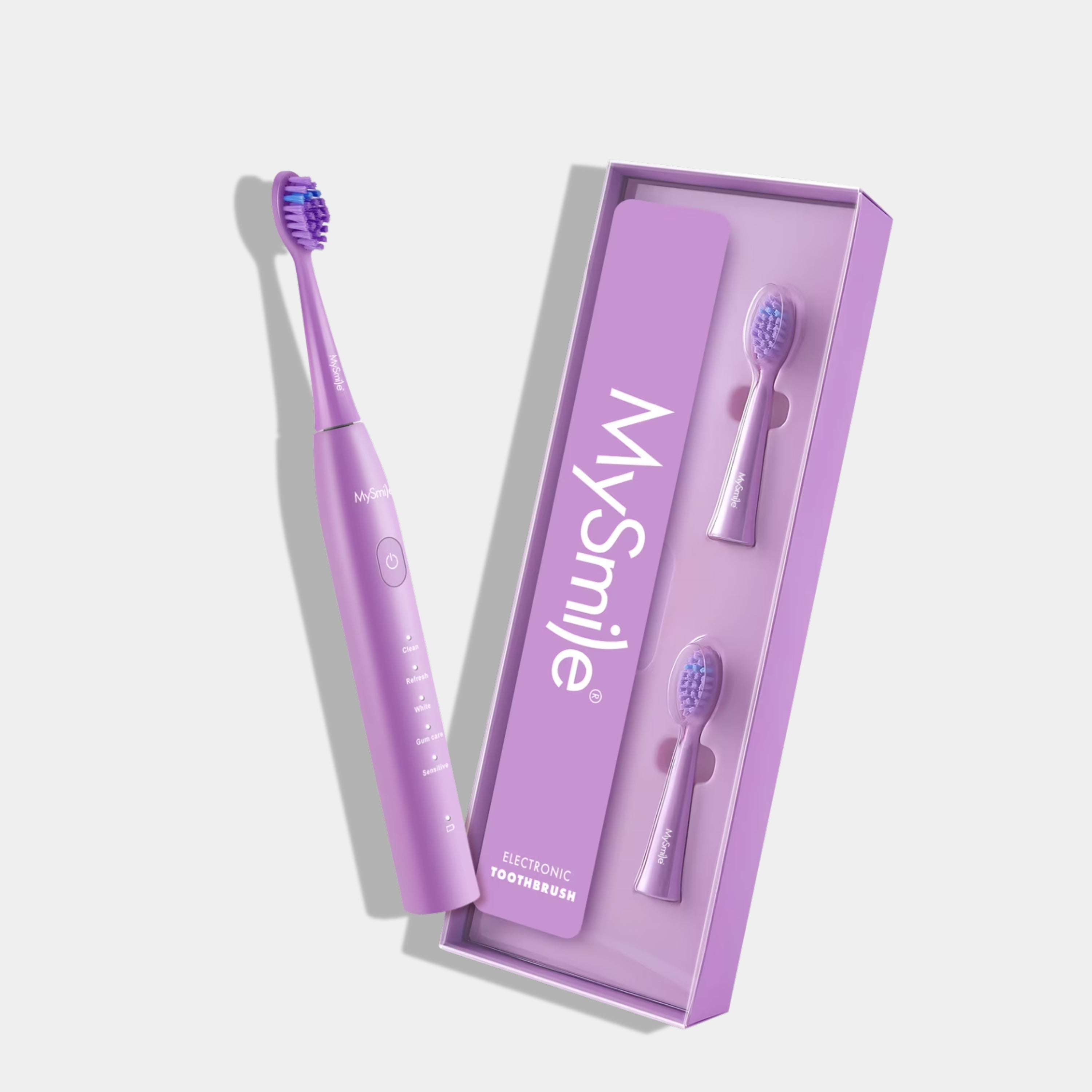
The MySmile DY156 Essential Sonic Toothbrush is designed to make that habit easier. It includes a built-in two-minute timer with 30-second pacing reminders, helping you divide your brushing time among the different areas of your mouth instead of rushing the front teeth and missing harder-to-reach surfaces.
The toothbrush offers five modes:
-
Clean: for everyday brushing
-
Refresh: a gentler-feeling option
-
Whitening: designed to target surface stains
-
Gum Care: for a different brushing sensation along the gumline
-
Sensitive: a gentler setting for sensitive teeth and gums
If you are switching from a manual toothbrush or have sensitive gums, start with the Sensitive mode and light pressure. More force does not mean a better clean. Let the bristles and sonic motion do the work while you guide the brush slowly around your mouth.
A better two-minute technique
-
Apply a pea-sized amount of toothpaste.
-
Hold the bristles at a slight angle toward the gumline.
-
Guide the brush across the outer, inner, and chewing surfaces of every tooth.
-
Use the 30-second pacing reminders to move to a new section of your mouth.
-
Rinse the brush head thoroughly and store it upright where it can air-dry.
The ADA advises using a soft-bristled brush and replacing a toothbrush or brush head approximately every three to four months—or sooner if the bristles become frayed or matted. The DY156 includes color-fading reminder bristles and three brush heads, making replacements easier to plan.
Step 2: Choose a toothpaste that fits your preferences and dental needs
Toothpaste helps a toothbrush remove food debris and plaque while delivering ingredients chosen for needs such as cavity prevention, sensitivity, enamel care, fresh breath, or surface-stain removal.
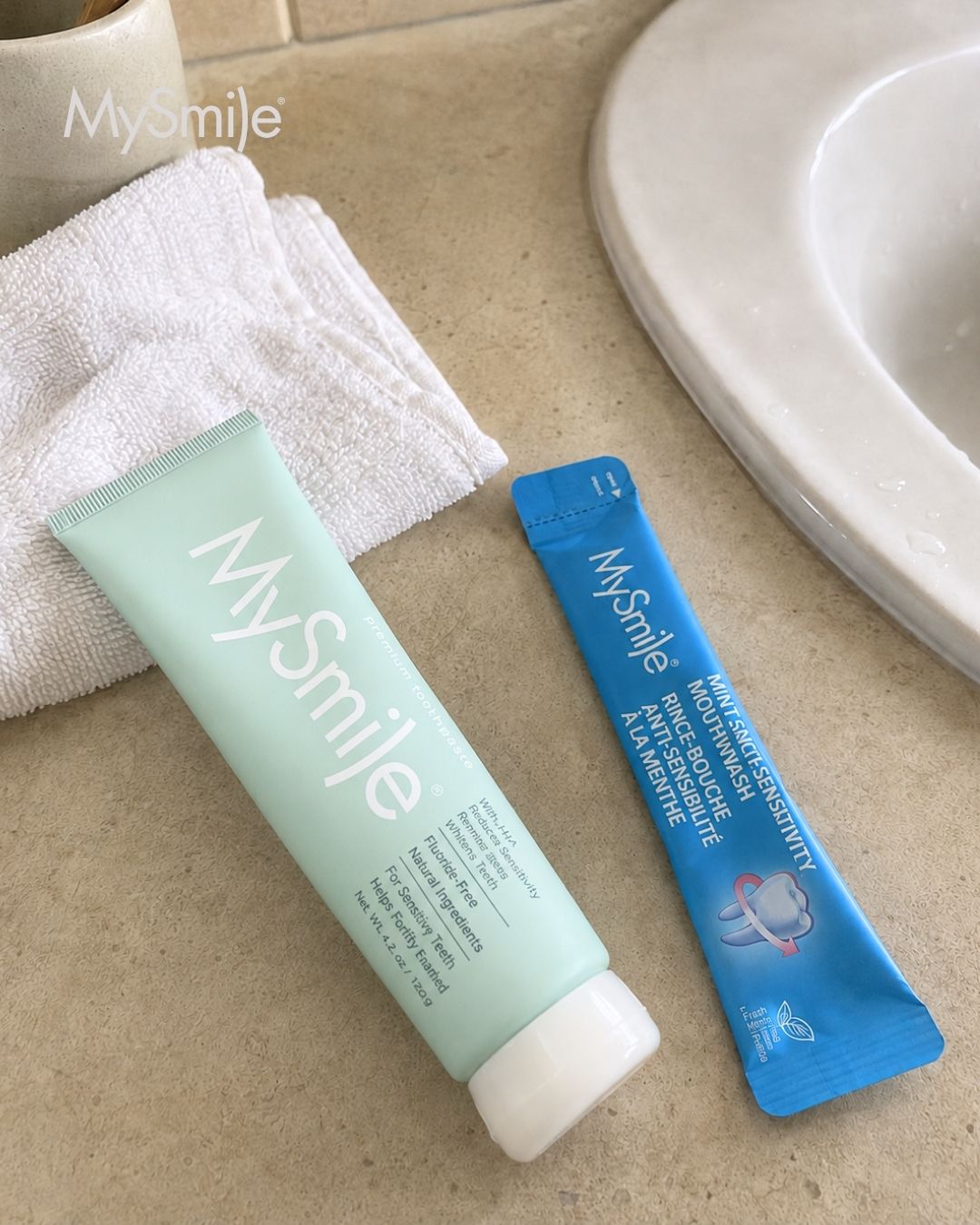
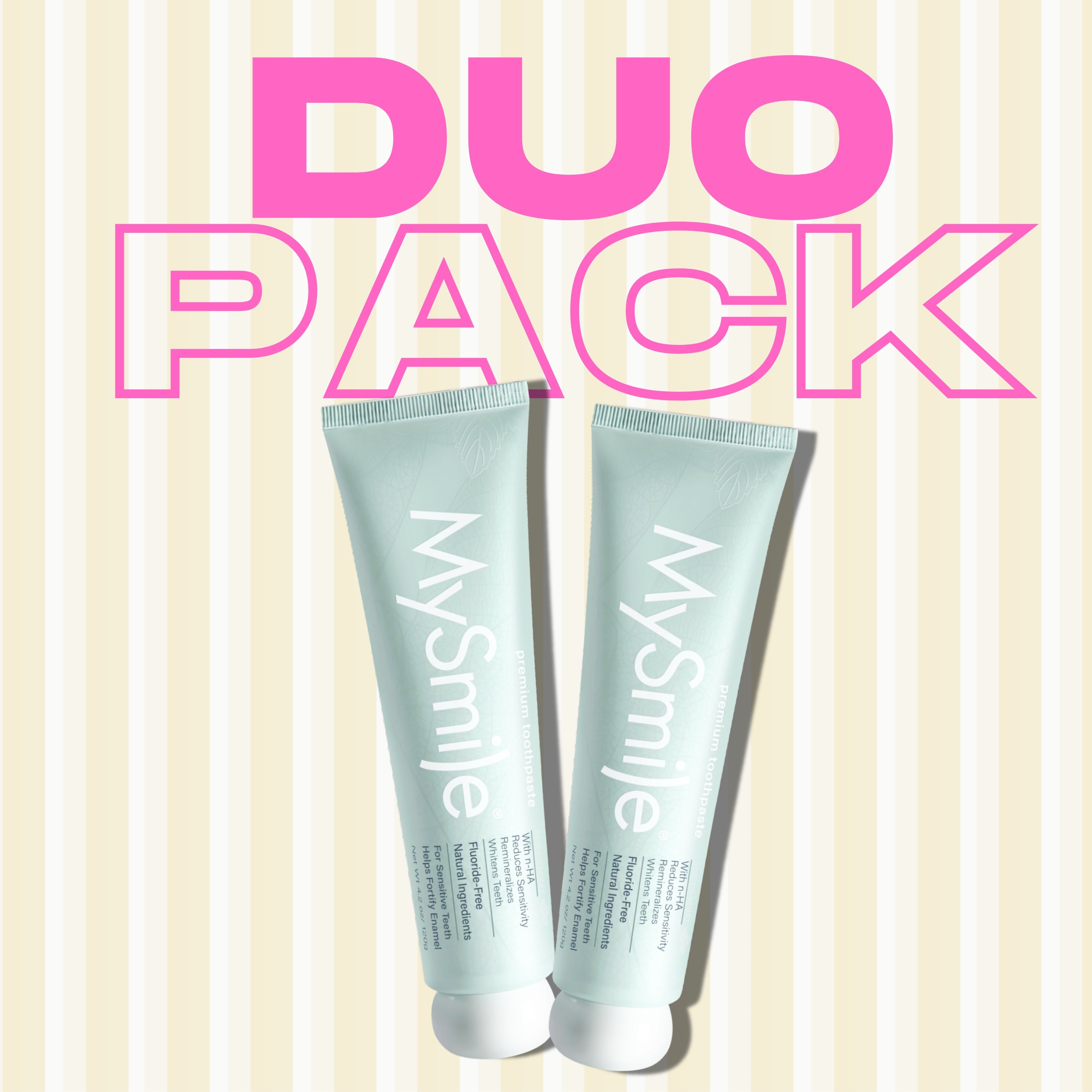
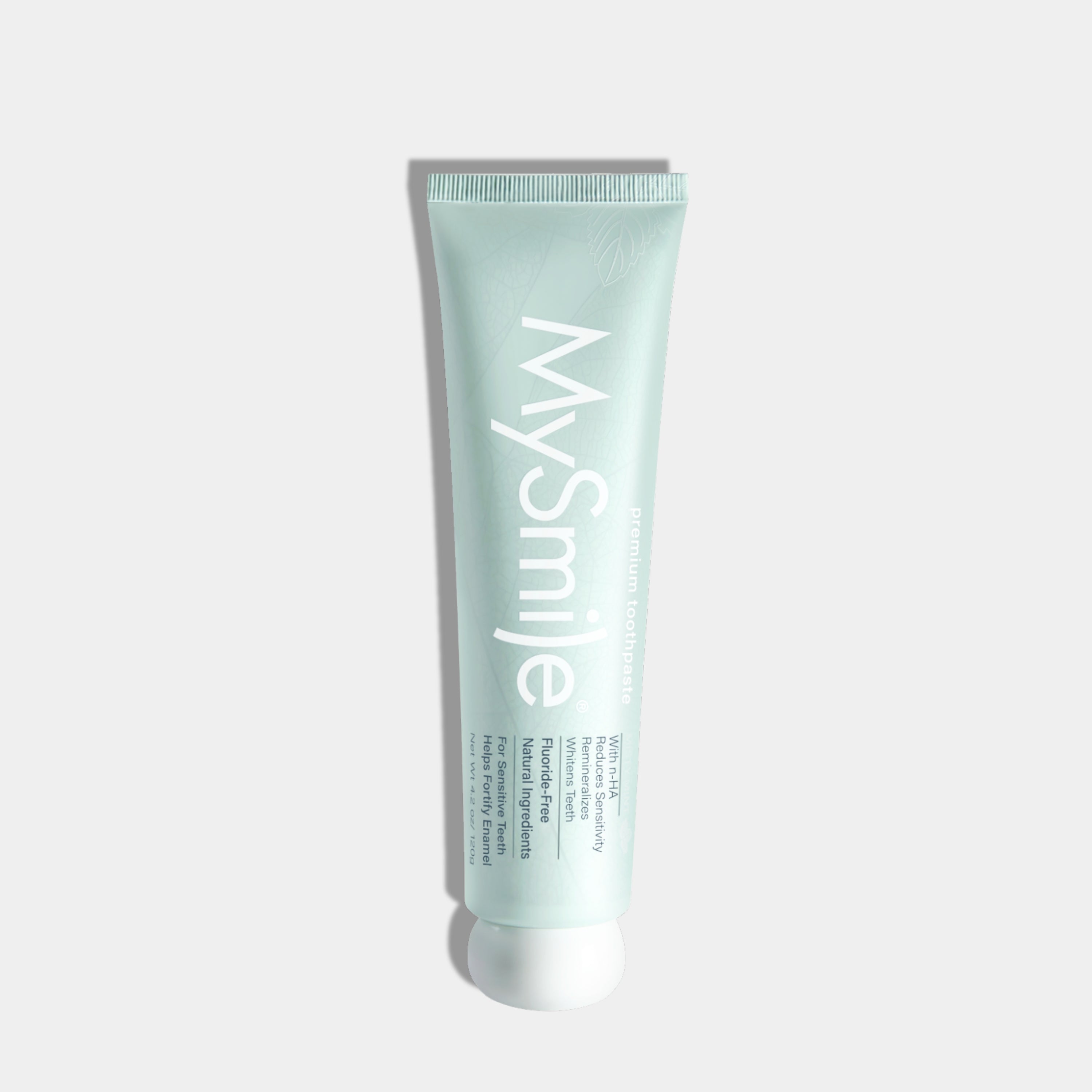
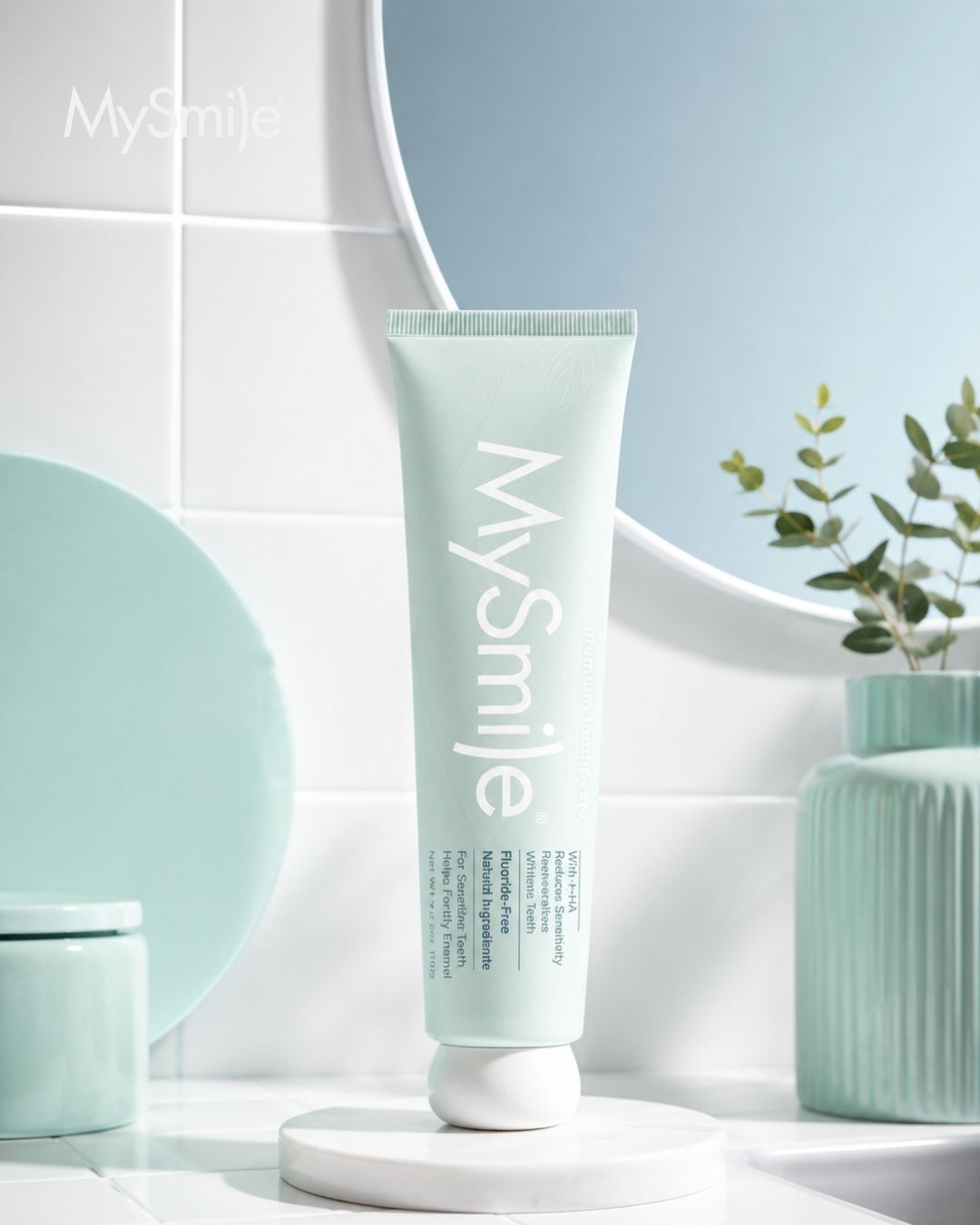
MySmile Nano-Hydroxyapatite Toothpaste is an adult, fluoride-free option made with nano-hydroxyapatite, a mineral related to the hydroxyapatite naturally found in tooth enamel. Its gentle-mint formula is also SLS-free and contains ingredients including xylitol, baking soda, coconut oil, and tea tree extract.
It may appeal to ingredient-conscious adults who prefer a fluoride-free toothpaste or find some conventional formulas uncomfortable. Use a pea-sized amount and brush for two minutes in the morning and at night, following the product directions.
An important note about fluoride-free toothpaste
Fluoride toothpaste remains the ADA’s standard recommendation for helping prevent cavities. All toothpastes that earn the ADA Seal for cavity protection must contain fluoride. A fluoride-free toothpaste may therefore not be the best choice for every person—especially someone with frequent cavities, dry mouth, braces, exposed roots, or another elevated risk factor.
If you are unsure which formula fits your needs, ask your dentist whether a fluoride-free nano-hydroxyapatite toothpaste is appropriate for your individual oral health and cavity risk. This article is written for adults and is not a substitute for personalized dental advice.
Step 3: Clean the spaces a toothbrush cannot reach
Even a thorough toothbrush cannot effectively clean every tight space between teeth. That is why daily interdental cleaning matters. The ADA identifies floss, interdental brushes, picks, and water flossers as options for cleaning between teeth; the best tool is the one that suits your mouth and that you will use consistently.
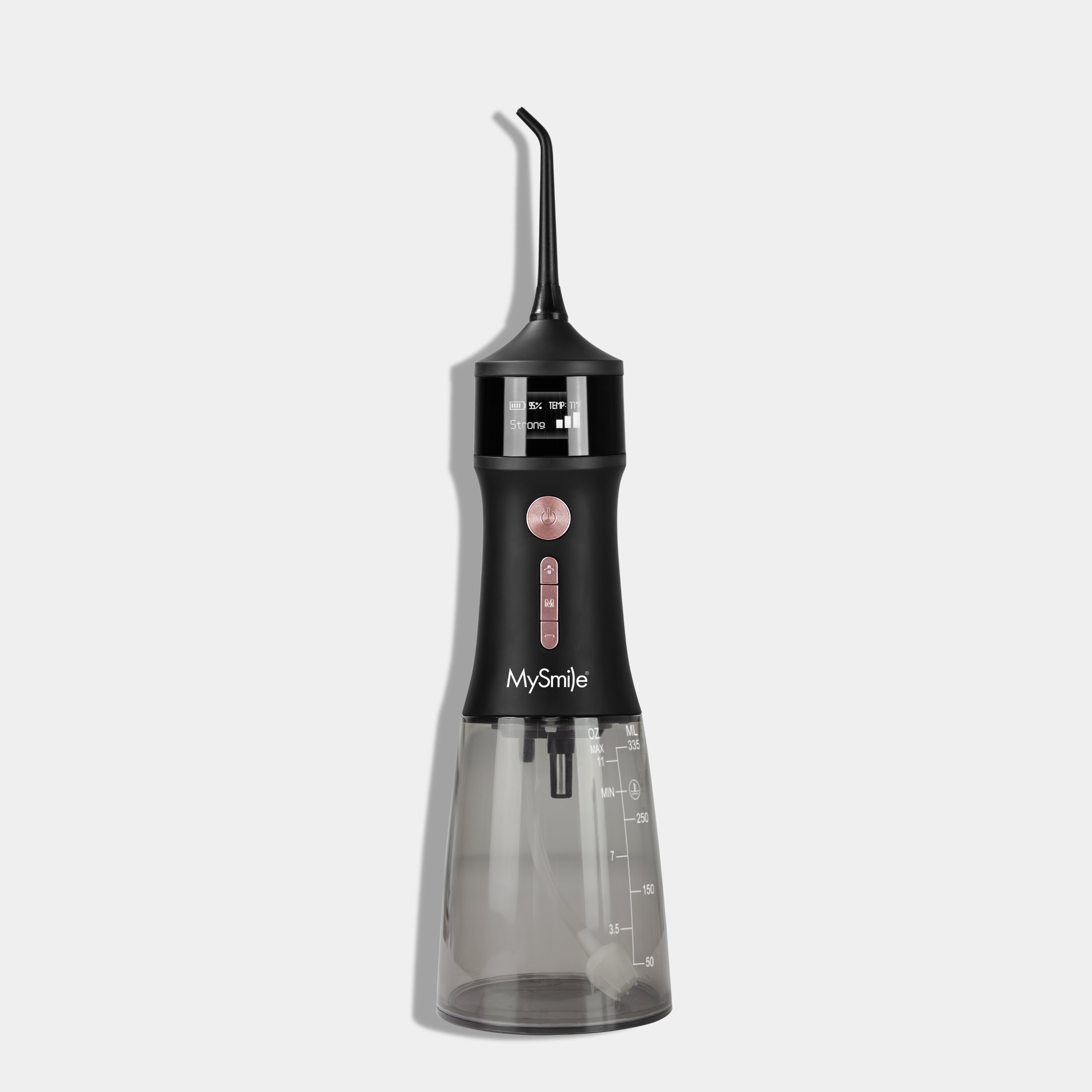
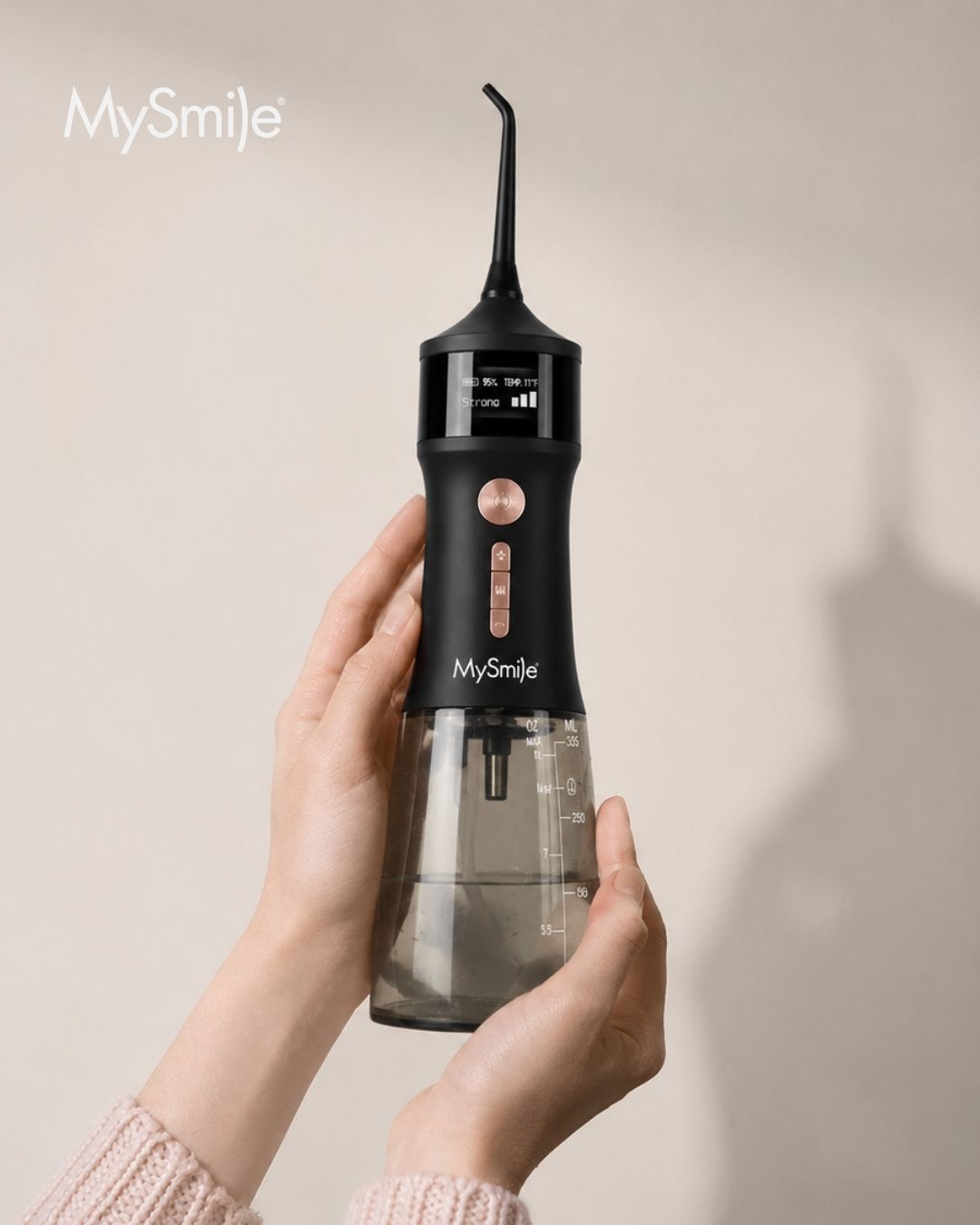
The MySmile LP211 Cordless Select Water Flosser uses a targeted stream of water to help flush food debris from between teeth and along the gumline. Its cordless design and water-resistant storage pouch make it especially useful for dorm rooms, shared bathrooms, small apartments, business travel, and weekends away.
The LP211 includes five modes:
-
Strong: for a more powerful cleaning sensation
-
Normal: for routine daily use
-
Soft: for a gentler experience
-
Pulse: for an alternating water pattern
-
Child: a lower-intensity option intended for first-time users or younger users with appropriate supervision
For a busy adult who is new to water flossing, Soft mode is a sensible starting point. Increase the intensity only when the experience feels comfortable.
How to use a portable water flosser without making a mess
-
Fill the reservoir with lukewarm water.
-
Insert the tip and select a low-pressure setting for your first use.
-
Lean over the sink and place the tip in your mouth before turning the device on.
-
Keep your lips partially closed so water can flow into the sink.
-
Aim the stream along the gumline and pause briefly between teeth.
-
Empty the reservoir after use and allow the device to dry according to its care instructions.
Do not use a water flosser while walking, driving, or riding public transportation. “Portable” means it is easy to bring to a dorm, office bathroom, hotel, or destination—not that it should be used in motion.
A realistic oral care routine for college students
College routines can change from day to day, so connect oral care to activities that already happen consistently.
Morning: before the first class
Brush for two minutes with the DY156 Sonic Toothbrush and your preferred toothpaste. Keep the toothbrush visible near the sink rather than buried in a toiletry bag. A visible cue makes the habit easier to remember.
After coffee or lunch
Drink water to help rinse away food particles and reduce the dry-mouth feeling that can contribute to unpleasant breath. If you have just consumed an acidic drink, such as soda or an energy drink, rinsing with water is a practical immediate step; avoid aggressively brushing straight away.
Evening: before getting into bed
Use the LP211 Water Flosser at the sink to clean between your teeth, then brush for two minutes. Doing the full routine before you become exhausted makes it less likely that you will skip it after a late study session.
A realistic oral care routine for commuters and young professionals
Commuters face a different problem: much of the day happens away from the bathroom where their regular products live.
Try this setup:
-
Keep the DY156 and toothpaste at home for dependable morning and nighttime brushing.
-
Store the LP211 at home or in an office bathroom if you have a hygienic, private storage space.
-
Drink water after coffee and meals.
-
Keep sugar-free gum in your bag for situations when brushing is not practical.
-
Avoid grazing continuously on sugary snacks throughout the day.
-
Set a recurring calendar reminder to replace your brush head every three months.
The goal is not to brush after every sip or snack. It is to create a routine that protects the two habits that matter most: thorough brushing twice daily and cleaning between the teeth once daily.
Why these three products work well together

Each product has a separate job:
| Product | Primary role | Busy-life benefit |
| DY156 Essential Sonic Toothbrush | Cleans tooth surfaces | Two-minute timer, five modes, long rechargeable battery, and multiple included brush heads |
| Nano-Hydroxyapatite Toothpaste | Supports everyday brushing | Gentle-mint, fluoride-free and SLS-free adult formula |
| LP211 Cordless Select Water Flosser | Cleans between teeth and along the gumline | Five modes, cordless design, travel pouch, and multiple tips |
Together, they create a complete routine without unnecessary complexity: toothpaste plus powered brushing for tooth surfaces, followed by water flossing for areas a brush cannot easily reach.
Five ways to make your routine easier to maintain
1. Keep your products together
Store the toothbrush, toothpaste, and water flosser in the same clean area. Reducing the number of steps between remembering and starting makes the routine easier to repeat.
2. Use the same cues every day
Brush after washing your face in the morning and before plugging in your phone at night. Connecting a new habit to an established habit is more reliable than waiting until you “feel motivated.”
3. Start with comfortable settings
If you are new to powered brushing or water flossing, use Sensitive or Soft mode. Give yourself time to adjust instead of beginning with maximum intensity.
4. Maintain the tools
Rinse the brush head after each use, allow it to air-dry, and replace it when worn. Empty the water flosser reservoir and follow the manufacturer’s cleaning instructions to prevent buildup.
5. Treat bleeding, pain, or sensitivity as information
Occasional mild gum bleeding can occur when someone begins cleaning an area that has been neglected, but persistent bleeding, pain, swelling, or sensitivity deserves professional attention. An oral care device cannot diagnose or treat an underlying dental condition.
Frequently asked questions
What is the best daily oral care routine for a busy adult?
A practical routine is to brush for two minutes every morning and night, clean between the teeth once daily, drink water throughout the day, limit frequent sugary snacks and drinks, and attend regular dental visits. Consistency matters more than building an overly complicated routine.
How long should I brush my teeth with an electric toothbrush?
The ADA recommends brushing for two minutes twice daily. The MySmile DY156 includes a two-minute timer and 30-second pacing reminders to help users cover the different sections of the mouth.
Can a water flosser replace string floss?
A water flosser is one accepted option for interdental cleaning and can be helpful for people who find string floss difficult to use. Individual needs vary, so ask your dental professional which interdental tool is best for your teeth, gums, braces, implants, or other dental work.
Should I water floss before or after brushing?
The most important thing is to clean between the teeth thoroughly once a day. Many people water floss first and brush afterward because that sequence is easy to remember, but consistency and correct technique matter more than creating a perfect order.
Is the LP211 Water Flosser good for travel?
The LP211 is cordless and includes a water-resistant storage pouch. Its five modes and rechargeable battery make it useful for dorms, hotels, small bathrooms, and longer trips. Empty and dry the reservoir before packing it.
What is nano-hydroxyapatite toothpaste?
Nano-hydroxyapatite toothpaste contains small particles of hydroxyapatite, a mineral related to the material naturally present in tooth enamel. MySmile’s formula is fluoride-free and SLS-free and is designed for adult users seeking a gentle everyday toothpaste option.
Is fluoride-free toothpaste suitable for everyone?
Not necessarily. Fluoride toothpaste remains the ADA’s standard recommendation for cavity prevention. People with frequent cavities or other elevated risk factors should consult their dentist before changing to a fluoride-free formula.
How often should I replace an electric toothbrush head?
Replace the head approximately every three to four months, or sooner if the bristles are visibly frayed or matted. Worn bristles become less effective at cleaning.
Build a routine that can keep up with your day
The best oral care routine is not the longest or trendiest one. It is the routine you can repeat on early mornings, crowded commutes, busy workdays, and late nights.
Start with three essentials: the MySmile DY156 Essential Sonic Toothbrush for a guided two-minute brush, MySmile Nano-Hydroxyapatite Toothpaste for an adult fluoride-free brushing option, and the MySmile LP211 Cordless Select Water Flosser for daily cleaning between teeth.
Shop the three-product routine and make better oral care one less thing to overthink.
This article provides general educational information and is not a substitute for diagnosis or treatment by a dentist or other qualified healthcare professional. Product suitability varies by individual oral health needs.