

Fall means cooler mornings, cozy drinks, and the return of pumpkin-spice everything. Unfortunately, it also means ragweed, mold, congestion, and seasonal allergies for millions of people.
Most people expect fall allergies to affect their nose, eyes, and throat. What is easier to miss is how allergy symptoms—and some of the medicines used to manage them—can also affect the mouth. If your breath suddenly feels less fresh, your mouth seems unusually dry, or your teeth feel more sensitive in September, your fall allergies may be part of the problem.
Here is what happens and how to give your oral-care routine a seasonal reset.
Why Fall Allergies Can Affect Your Mouth
Ragweed season usually begins in late summer, peaks in many parts of the United States around mid-September, and may continue until the first hard frost. Common symptoms include a stuffy nose, postnasal drip, an irritated throat, and disrupted sleep.
Those symptoms can create several oral-care challenges at once.
1. Nasal congestion can lead to mouth breathing
When your nose is blocked, you naturally begin breathing through your mouth—especially while sleeping. That constant airflow can make the mouth feel dry by morning.
Saliva does much more than keep your mouth comfortable. It helps wash away food particles, buffer acids, support the mouth’s natural microbial balance, and protect teeth and soft tissues. When the mouth stays dry, odor-causing bacteria and plaque can become harder to manage.
2. Allergy medicines may contribute to dry mouth
Antihistamines and decongestants help many people get through allergy season, but dry mouth can be a side effect. The American Dental Association lists both types of medicine among those that may contribute to or worsen oral dryness.
Do not stop or change a medicine on your own. If dryness becomes uncomfortable or persistent, ask your doctor, pharmacist, or dentist whether a different option or additional dry-mouth support may be appropriate.
3. Postnasal drip may make breath feel less fresh
Postnasal drip occurs when mucus travels down the back of the throat. It can leave a coating or unpleasant taste around the back of the tongue and throat, where odor-producing bacteria may collect.
That is one reason brushing your teeth alone may not fully solve seasonal bad breath. The tongue, spaces between the teeth, hydration level, and the underlying allergy symptoms all matter too.
4. Reduced saliva may leave teeth more vulnerable
Dry mouth is not simply an uncomfortable feeling. Reduced salivary flow is associated with a greater risk of tooth decay, enamel demineralization, tooth sensitivity, bad breath, and certain oral infections.
An occasional dry morning is common. However, dryness that lasts throughout the day, repeatedly wakes you at night, or comes with mouth sores, trouble swallowing, or rapidly increasing sensitivity deserves professional attention.
Your 7-Step Fall Breath Reset
The best fall oral-care routine supports hydration, removes odor-causing buildup, and avoids adding unnecessary irritation.
1. Start with water—not another coffee
It is tempting to go straight from waking up to a warm seasonal drink, but your mouth is already naturally drier after sleeping. Begin the morning with water and continue sipping it throughout the day.
Coffee, sweetened lattes, and other caffeinated drinks may leave the mouth feeling even drier. You do not have to give up your favorite fall drink; try to finish it within a reasonable amount of time rather than sipping it for hours, and follow it with plain water.
2. Brush gently for two full minutes
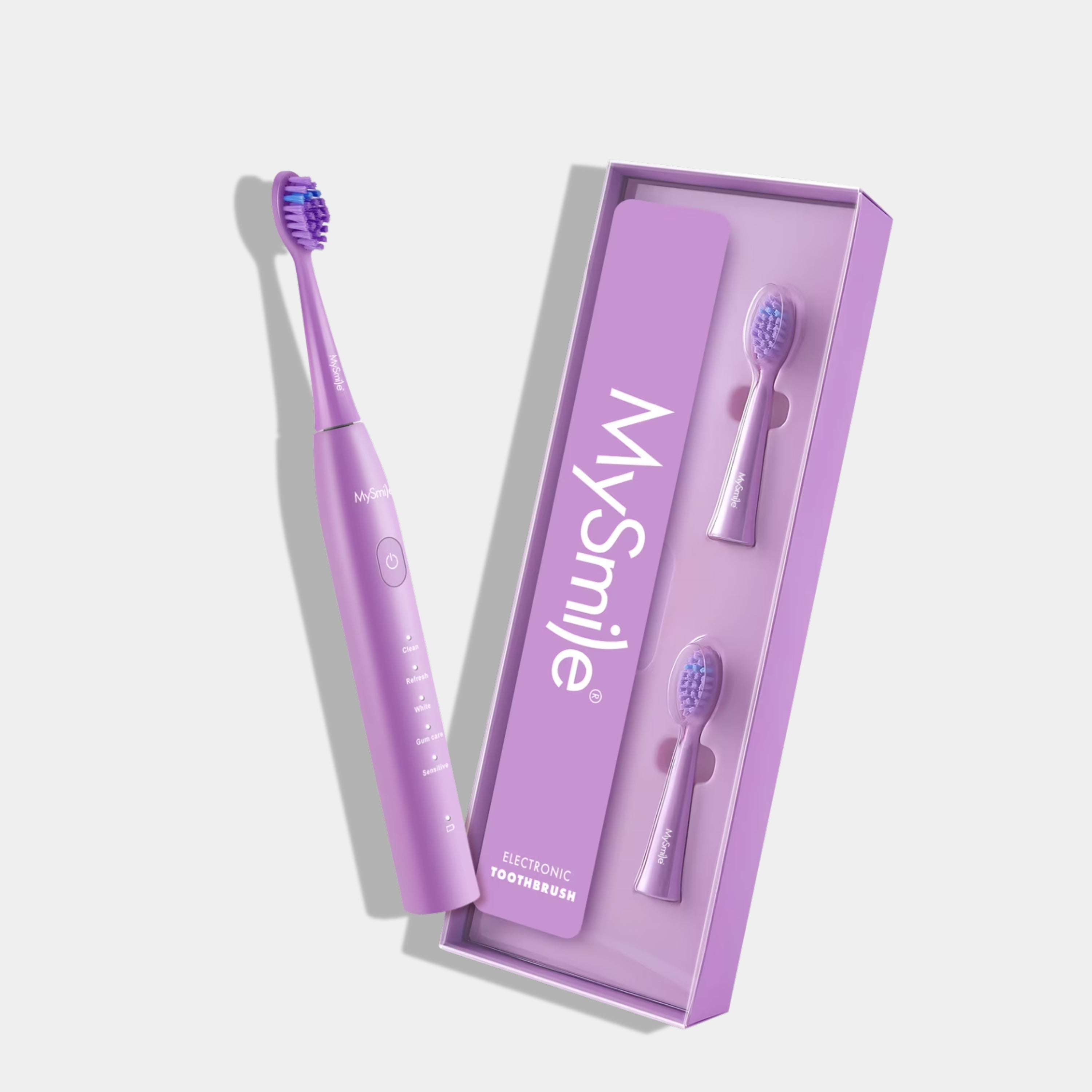
Consistent brushing is especially important when saliva is not doing as much natural cleansing. Use a soft-bristled toothbrush and avoid scrubbing aggressively, which may irritate sensitive gums.
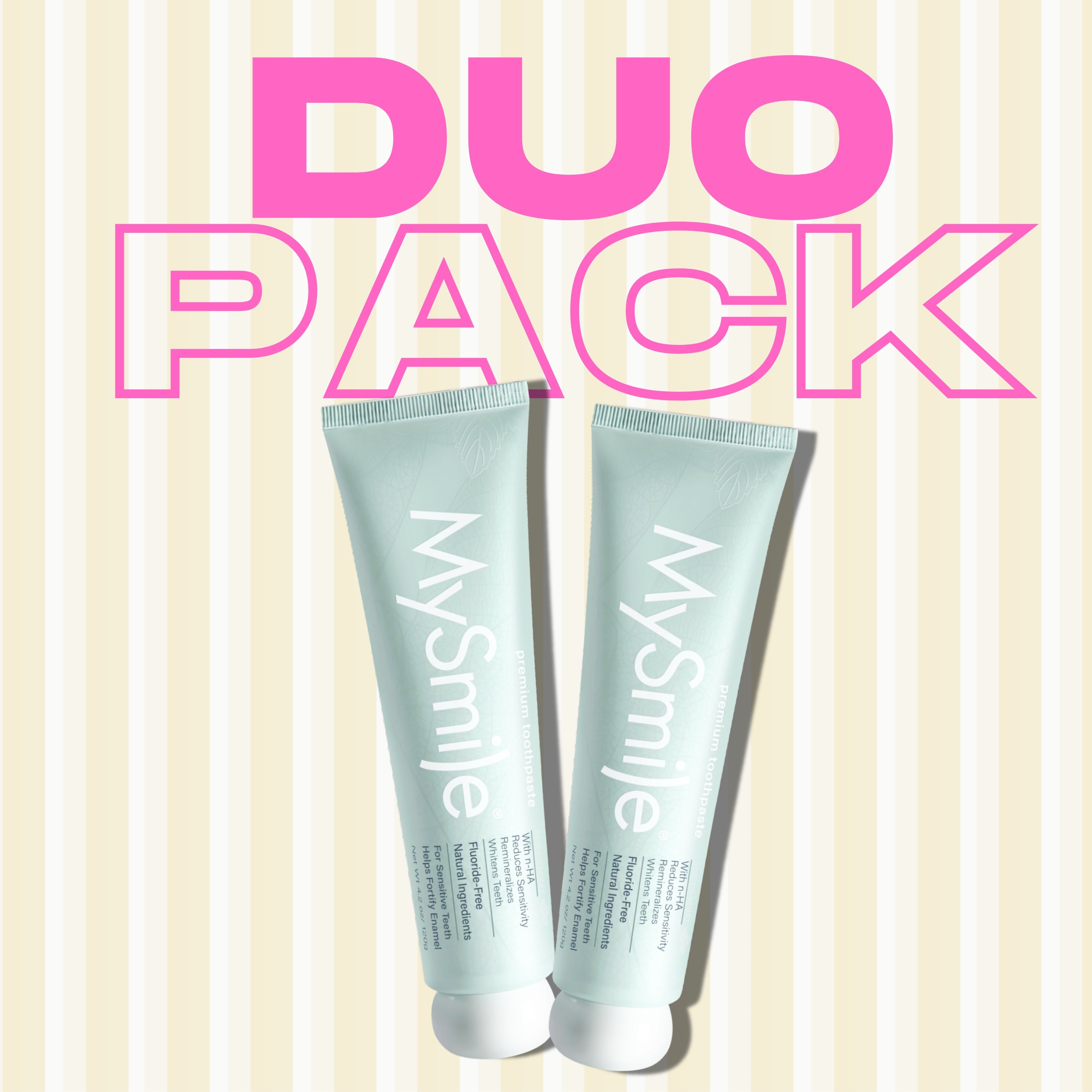
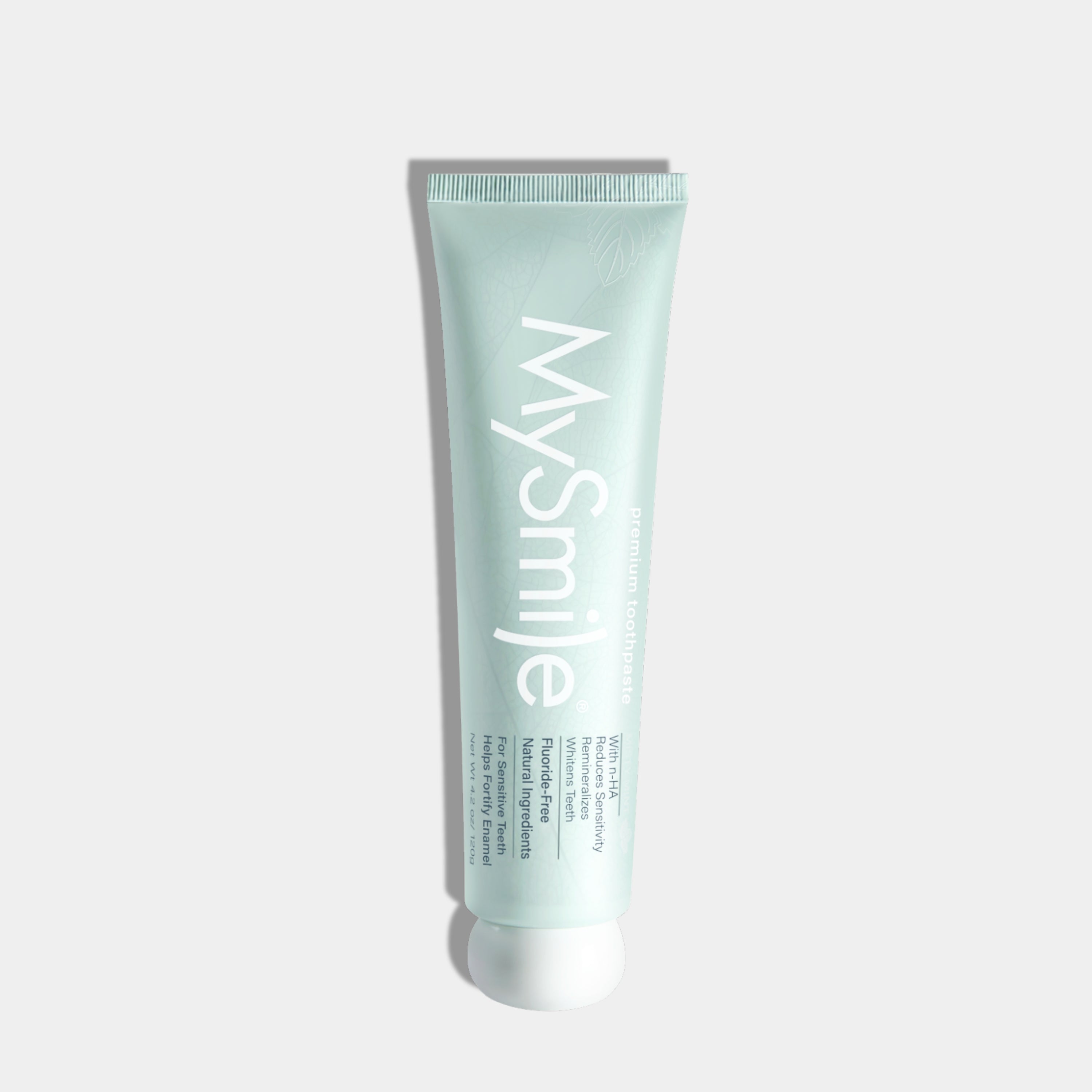
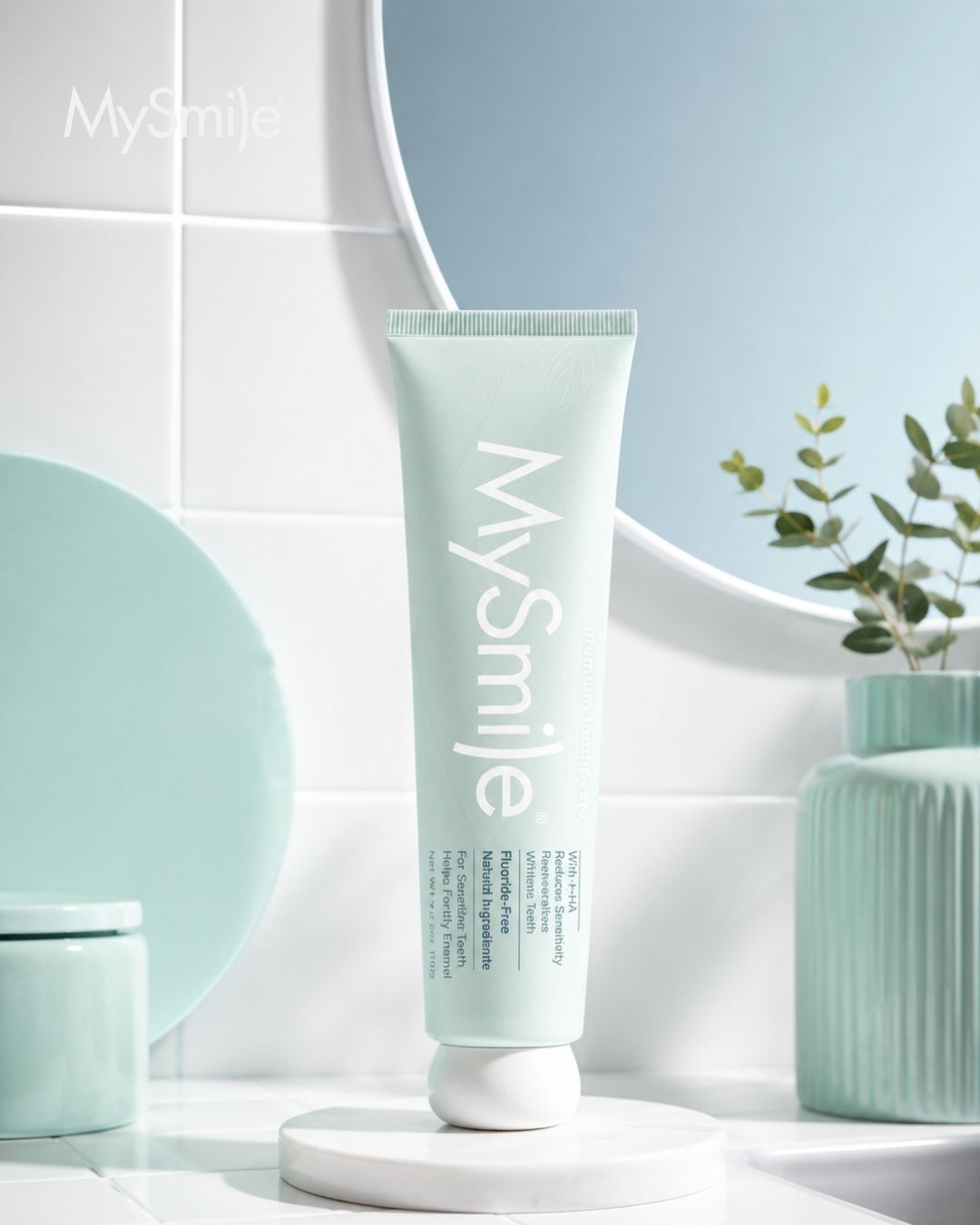
For people who prefer a fluoride-free formula, MySmile Nano-Hydroxyapatite Toothpaste offers a gentle-mint, SLS-free option made for sensitive teeth. Its nano-hydroxyapatite formula is designed to support smoother, stronger-feeling enamel while helping the mouth feel clean and fresh.
If you have persistent dry mouth, frequent cavities, or a high risk of tooth decay, ask your dentist which toothpaste ingredients and fluoride level are best for your individual needs.
3. Clean between your teeth every day
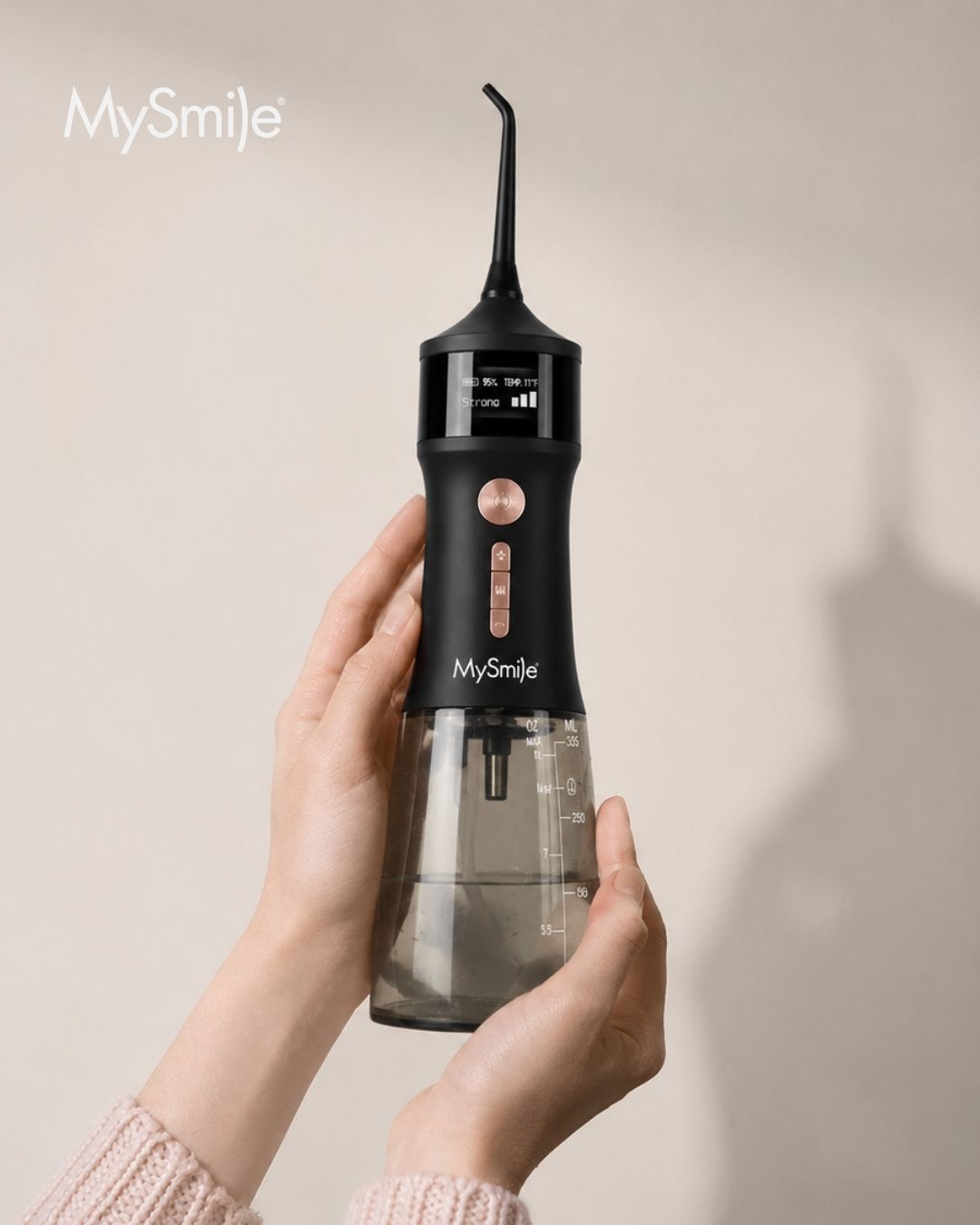
Food debris and plaque between the teeth can make bad breath worse, regardless of the season. Use string floss, interdental brushes, or a water flosser once a day—whichever method you can use comfortably and consistently.
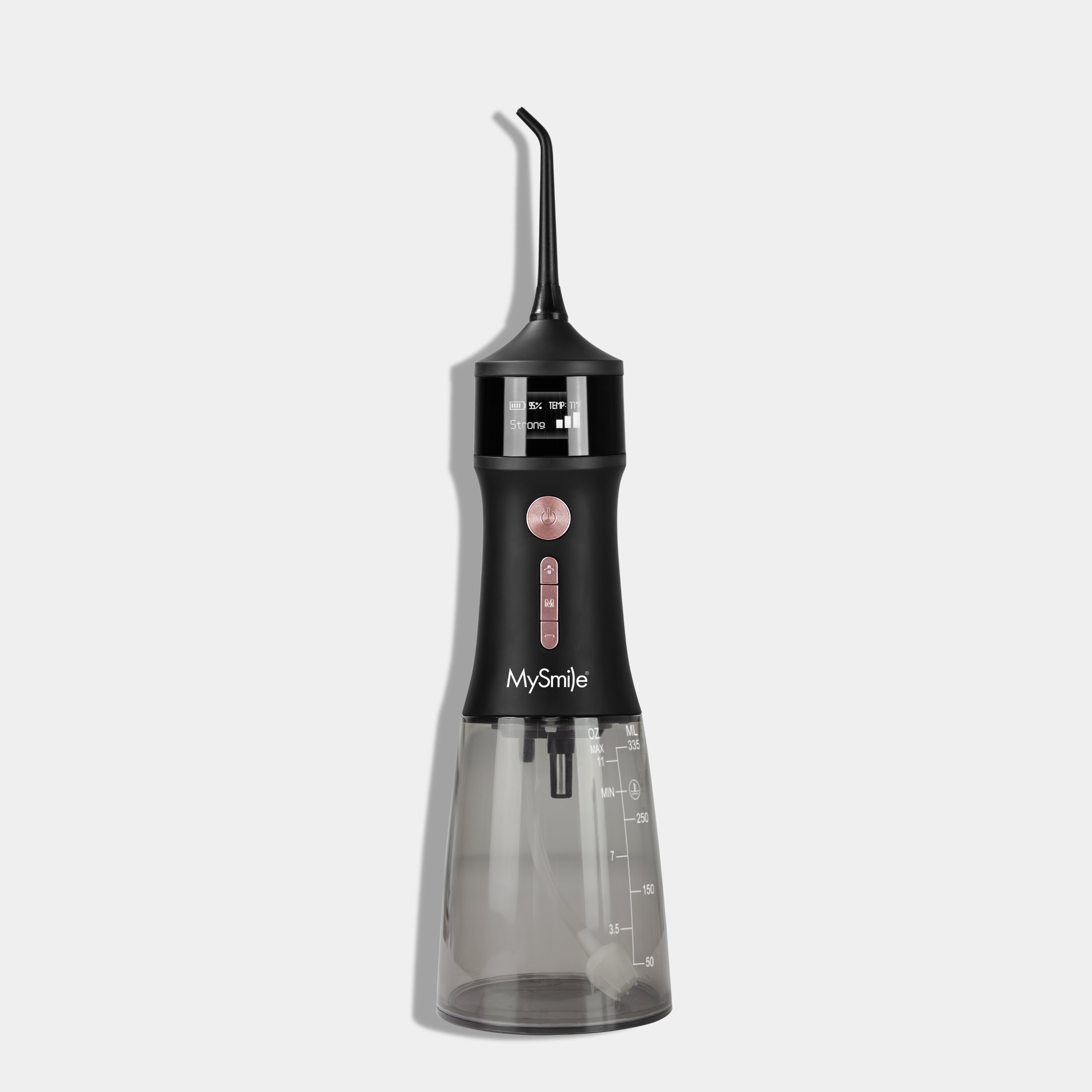
A water flosser can be particularly convenient for people with braces, bridges, or areas that are difficult to reach with traditional floss. It supports a more complete daily clean, but it does not treat allergies or replace professional dental care.
4. Do not forget your tongue
The back of the tongue is a common hiding place for odor-producing buildup. Gently clean it once a day using a tongue scraper or the textured tongue-cleaning surface on your toothbrush.
Avoid scraping so hard that the tongue becomes sore. The goal is to lift away the coating, not irritate the tissue.
5. Choose an alcohol-free mouthwash
When your mouth already feels dry or sensitive, a harsh, high-burn rinse may be uncomfortable. The ADA recommends avoiding irritants such as alcohol-containing mouthrinses when managing dry-mouth symptoms.
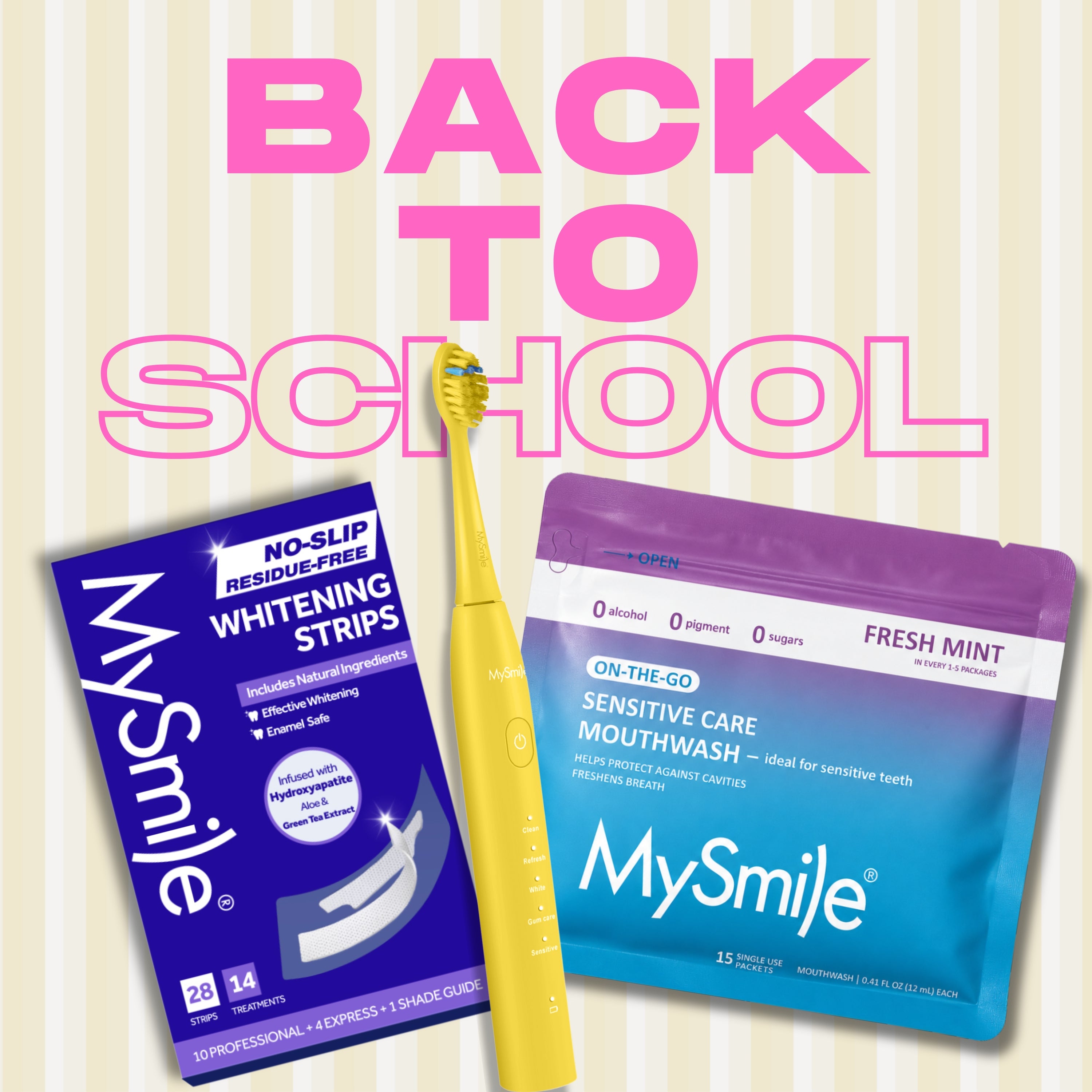
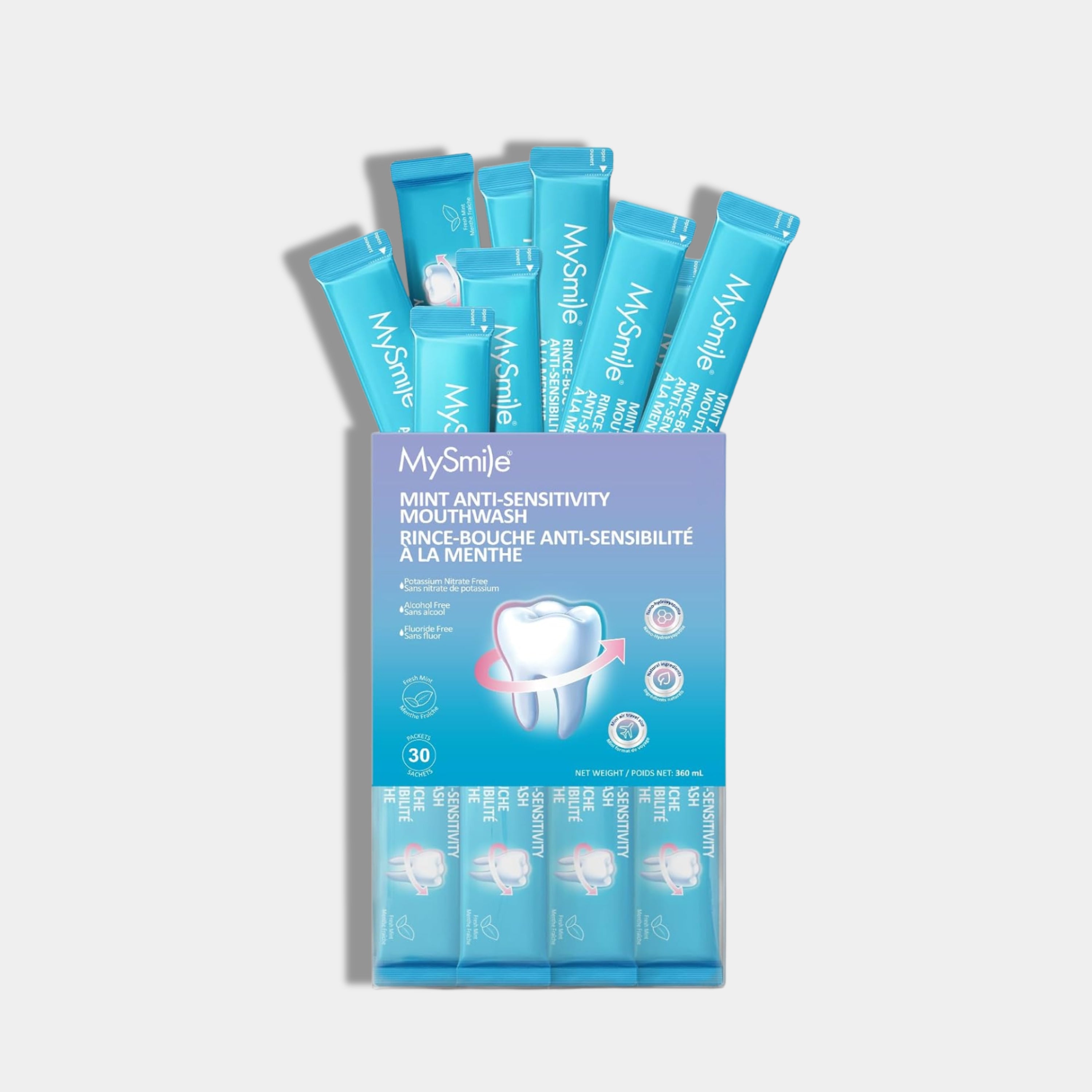
MySmile Portable Nano-Hydroxyapatite Mouthwash is alcohol-free and comes in individual, ready-to-use packets. Keep one in your purse, work bag, gym bag, or car for an easy refresh after lunch or coffee. It helps support fresh breath and daily oral hygiene without the strong burning sensation of traditional alcohol-based mouthwash.
For a gentle rinse at home or while traveling, MySmile Enzyme Peptide Mouthwash is another no-burn, alcohol-free option designed to rinse away everyday residue and odor-causing impurities after meals and drinks.
Mouthwash can support freshness, but it should not be presented as a treatment or cure for allergies, postnasal drip, or medically diagnosed dry mouth.
6. Support natural saliva production
Sugar-free gum or sugar-free candy may help stimulate saliva for some people. The ADA also recommends staying hydrated and using a humidifier at night as practical ways to cope with oral dryness.
Limit sticky, sugary snacks that feed cavity-causing bacteria, particularly when your mouth feels dry. If you choose gum, look for a sugar-free option and remember that it complements brushing and interdental cleaning—it does not replace them.
7. Manage the allergy itself
Freshening your mouth can help with symptoms, but the underlying allergy still matters. Track local pollen counts, follow the treatment plan recommended by your healthcare professional, shower after spending extended time outdoors, and keep bedroom windows closed when pollen levels are high.
If nasal congestion or postnasal drip is persistent, talk with a qualified healthcare professional rather than relying on oral-care products to cover the symptoms.
Is It Fall Allergies—or Something Else?
Seasonal allergies may contribute to temporary dry mouth and bad breath, but persistent symptoms can have other causes. Gum disease, tooth decay, oral infections, acid reflux, certain medicines, diabetes, and other health conditions may also be involved.
Schedule a dental or medical evaluation if you notice:
-
Bad breath that continues despite consistent brushing, interdental cleaning, and tongue cleaning
-
Dry mouth that lasts all day or repeatedly interrupts sleep
-
New or worsening tooth sensitivity
-
Mouth sores, burning, or difficulty swallowing
-
Bleeding or swollen gums
-
Tooth pain, facial swelling, fever, or foul-smelling nasal discharge
Getting the cause checked is more effective than repeatedly masking the symptom.
Build a Gentler Routine for Fall
Fall allergy season can be rough on your nose—and surprisingly disruptive to your mouth. Congestion may lead to mouth breathing, postnasal drip may affect breath, and some allergy medicines may contribute to dryness. Together, these changes can make your usual oral-care routine feel less effective.
The answer is not to brush harder or overwhelm your mouth with a burning rinse. Focus on hydration, gentle two-minute brushing, daily cleaning between the teeth, tongue care, and an alcohol-free fresh-breath option when you need it.
With a few small adjustments, you can enjoy every pumpkin-spice coffee, sweater-weather walk, and cozy fall plan with a cleaner, fresher, more confident smile.
Ready for your fall oral-care reset? Explore MySmile oral-care products for gentle brushing, flossing, and fresh-breath essentials made for everyday routines.