













Seeing blood when you floss can feel a little scary, especially when you’re trying to take better care of your smile. But bleeding gums are more common than many people think — and they are often a sign that your gums need more consistent, gentle care.
In many cases, gums bleed because plaque has built up along the gumline or between the teeth. When plaque stays on the teeth, it can irritate the gums and lead to inflammation. The American Dental Association explains that interdental cleaning, such as flossing or using another between-the-teeth cleaner, helps remove plaque and debris from areas a toothbrush may not fully reach.
That said, bleeding gums should not be ignored. If the bleeding happens often, comes with swelling or tenderness, or does not improve with better daily care, it may be time to see a dentist.
Is It Normal for Gums to Bleed When Flossing?
A small amount of bleeding can happen if you have just started flossing again after a long break, are flossing too aggressively, or are using the wrong technique. Your gums may be sensitive at first, especially if plaque has been sitting near the gumline.
However, regular bleeding is not something to brush off. Mayo Clinic lists gums that bleed easily when brushing or flossing as one of the signs of gingivitis, a mild form of gum disease that causes gum irritation, redness, swelling, and bleeding.
The key is consistency. Gentle daily cleaning can help reduce plaque buildup over time, but if your gums keep bleeding after you improve your routine, a professional dental checkup is the safest next step.
Common Causes of Bleeding Gums When Flossing
1. Plaque Buildup Along the Gumline
Plaque is a sticky film of bacteria that forms on your teeth. When it collects around the gumline or between teeth, it can irritate the gums and make them more likely to bleed.
The National Institute of Dental and Craniofacial Research explains that gum disease is often caused by poor brushing and flossing habits that allow plaque to build up and harden. Early gum disease can start with swollen, red, and bleeding gums.
2. Gingivitis
Gingivitis is an early stage of gum disease. It can cause gums to look red, feel swollen, and bleed easily. The good news is that gingivitis can often be improved when caught early with daily brushing, flossing, and regular professional cleanings.
If your gums bleed every time you floss, gingivitis may be one possible reason. A dentist or dental hygienist can confirm what is happening and clean away hardened buildup that cannot be removed at home.
3. Flossing Too Hard
More pressure does not mean a better clean. Snapping floss into your gums or forcing it between tight teeth can injure delicate gum tissue.
Instead, floss should be guided gently between the teeth and curved around each tooth in a C-shape. The goal is to clean the side of each tooth and just under the gumline without cutting into the gums.
4. Inconsistent Flossing
If you only floss once in a while, your gums may bleed when you restart. This does not mean flossing is bad. It may mean the gums are inflamed from plaque buildup and need consistent care.
Try staying gentle and consistent for several days. If bleeding continues, gets worse, or comes with pain, swelling, or bad breath, contact your dentist.
5. Brushing Too Aggressively
Hard brushing can also make gums bleed. A toothbrush with stiff bristles or a heavy hand can irritate the gumline and wear down enamel over time.
Use a soft-bristled toothbrush and light pressure. If you use an electric toothbrush, let the brush do the work instead of scrubbing back and forth.
6. Tartar Buildup
Plaque that is not removed can harden into tartar. Once tartar forms, it usually needs to be removed by a dentist or dental hygienist. Tartar near the gumline can keep irritating the gums even if you brush and floss daily.
7. Hormonal Changes, Health Conditions, or Medications
Bleeding gums can also be connected to factors beyond your daily routine. Cleveland Clinic notes that bleeding gums can be linked to plaque buildup, but may also be related to teeth grinding, diabetes, hormone changes, vitamin deficiencies, or certain medications.
If your gums bleed easily and you are unsure why, it is always better to get a professional opinion.
How to Help Reduce Bleeding Gums at Home
At-home care can make a big difference, especially when bleeding is related to plaque buildup or inconsistent cleaning. These steps can support a cleaner, healthier-feeling gumline.
1. Brush Twice a Day
Brush for two minutes, twice daily. Use gentle pressure and focus on the gumline, not just the visible tooth surface.
2. Clean Between Teeth Daily
Your toothbrush cannot fully clean between teeth. The ADA says interdental cleaners help remove debris and plaque from hard-to-reach areas between teeth.
You can use string floss, floss picks, interdental brushes, or a water flosser depending on what feels easiest and most comfortable for your mouth.
3. Do Not Stop Cleaning Because of Bleeding
It may feel tempting to stop flossing when you see blood, but if plaque buildup is the reason, skipping flossing may allow the problem to continue. Keep your technique gentle and consistent.
If bleeding is heavy, painful, or does not improve, see a dentist.
4. Use a Water Flosser for a Gentler Routine
If string floss feels uncomfortable, difficult, or too harsh, a water flosser can be a helpful addition to your daily oral care routine. A water flosser uses a pressurized stream of water to clean between teeth and along the gumline, helping remove food particles and debris from areas brushing may miss.
This can be especially helpful for people with braces, crowns, bridges, implants, veneers, or tight spaces between teeth.
5. Replace Toothbrush Heads Regularly
Old, frayed bristles do not clean as effectively and may irritate gums. Replace your toothbrush or brush head every 3 months, or sooner if the bristles look worn.
6. Keep Up With Dental Cleanings
Even with a great at-home routine, professional cleanings matter. Tartar cannot be fully removed with brushing or flossing at home. Regular dental visits help keep your gums and teeth in better condition.
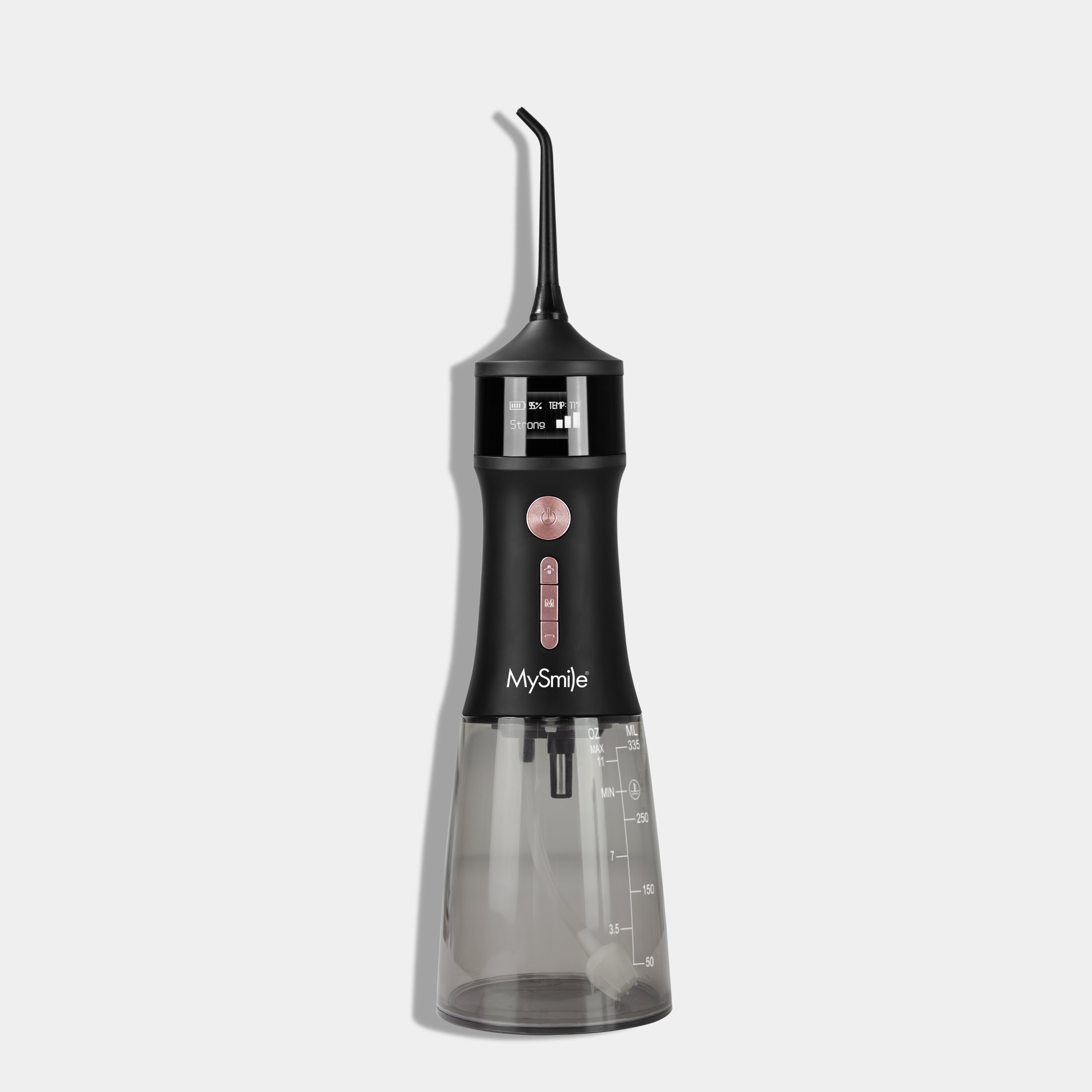
Product Recommendation: MySmile LP221 Cordless Professional Water Flosser
For anyone who struggles with traditional floss or wants a more complete clean between teeth, the MySmile LP221 Cordless Professional Water Flosser is a strong daily-care option.
The LP221 is designed with advanced water pressure technology to deliver a precise water stream that helps remove plaque, food particles, and bacteria from areas brushing and string floss may miss. It is especially suitable for people with braces, implants, crowns, or veneers.
Key features include:
-
Cordless design for easy use at home or on the go
-
2000–2800 water pulses per minute
-
40–150 PSI pressure range
-
4 modes: Soft, Normal, Strong, and Pulse
-
3 pressure levels, excluding Pulse mode
-
OLED display showing battery, water temperature, mode, and pressure level
-
335 mL water tank
-
Multiple jet tips for different oral care needs
-
Rechargeable battery
-
Travel pouch included
If your gums are sensitive, start with a lower pressure setting and lukewarm water. Aim the nozzle between the teeth and along the gumline, then move slowly and systematically. The goal is not to blast the gums — it is to clean gently and consistently.
A water flosser is not a replacement for dental treatment, and it should not be used to ignore ongoing bleeding. But it can be a useful tool for supporting a cleaner daily routine, especially if traditional flossing is difficult to keep up with.
When Should You See a Dentist for Bleeding Gums?
You should schedule a dental visit if:
-
Your gums bleed every time you brush or floss
-
Bleeding continues after improving your oral care routine
-
Your gums are swollen, red, tender, or painful
-
You notice persistent bad breath
-
Your gums appear to be pulling away from your teeth
-
Your teeth feel loose
-
You see pus around the gums
-
Bleeding is heavy or happens without brushing or flossing
-
You have a medical condition or take medication that may affect bleeding
Mayo Clinic recommends making a dental appointment if you notice symptoms of gingivitis, because prompt care can help prevent more serious gum problems.
The Bottom Line
Bleeding gums when flossing are often a sign that your gums need more attention, not less. Plaque buildup, gingivitis, aggressive flossing, tartar, and inconsistent cleaning can all play a role.
The best first step is a gentle, consistent routine: brush twice daily, clean between teeth every day, avoid harsh pressure, and keep up with dental cleanings. If string floss feels uncomfortable or hard to use, a water flosser like the MySmile LP221 Water Flosser can make daily gumline cleaning easier and more comfortable.
If bleeding continues, do not guess. Check in with your dentist to understand the cause and protect your long-term oral health.