
Viral DIY Teeth Whitening Hacks: What Works, What Doesn’t, and What to Try Instead
From banana peels and baking soda to charcoal powder and homemade peroxide mixtures, social media is packed with DIY teeth-whitening hacks promising a brighter smile for almost no money.
The appeal is easy to understand. The ingredients are often already sitting in your kitchen or bathroom, the videos show dramatic before-and-after results, and everything appears quick and effortless.
But when it comes to your smile, viral does not always mean effective—or suitable for your teeth.
A recent report on viral dental trends noted that #teethwhitening appears in more than 1.3 million TikTok posts, with creators experimenting with everything from fruit peels to household chemicals. Unfortunately, a short video rarely shows the concentration used, the person’s dental history, whether filters or lighting changed the result, or what happened to their teeth afterward.
So, which viral whitening hacks deserve a hard pass, and what can you use instead?
Why DIY Teeth-Whitening Hacks Are So Popular
Most whitening hacks go viral for three reasons:
- The ingredients are inexpensive and easy to find.
- The method creates surprising or satisfying video content.
- Everyone loves a fast before-and-after transformation.
The problem is that teeth are not a blank canvas—or a kitchen experiment. Enamel does not naturally grow back once it has been worn away, and what works for one creator may lead to irritation or sensitivity for someone else.
The American Dental Association’s guide to teeth whitening explains that evidence for many DIY or “natural” whitening methods remains limited. It also notes that tooth sensitivity and gum irritation are among the most common side effects associated with whitening treatments.
That does not mean you have to give up on a brighter smile. It means the method, formula, concentration, and directions matter.
Viral Whitening Hack #1: Banana Peels
One of the more unexpected trends involves rubbing the inside of a banana peel across the teeth. Supporters claim the minerals in the peel can brighten enamel naturally.
It sounds harmless—and it may produce an entertaining video—but there is no reliable evidence that banana peels chemically whiten teeth. Any immediate difference may come from removing loose surface debris, added shine from moisture, or simply more flattering lighting.
The verdict: Save banana peels for the compost bin. They are not a substitute for a whitening product formulated for teeth.
Viral Whitening Hack #2: Baking Soda Mixtures
Baking soda can help remove some external surface stains, which is why it appears in certain professionally formulated toothpastes. However, that does not mean every homemade baking soda mixture is a good idea.
Social media recipes often combine baking soda with lemon juice, vinegar, or peroxide. These combinations may be overly abrasive or acidic, especially when used repeatedly or scrubbed aggressively.
There is also a major difference between an oral-care product formulated with controlled ingredients and an unmeasured spoonful of powder mixed at home.
The verdict: Do not assume that more scrubbing means more whitening. Abrading the surface of your teeth is not the same as safely changing their color.
Viral Whitening Hack #3: Household Hydrogen Peroxide
Hydrogen peroxide and carbamide peroxide are commonly used ingredients in formulated whitening products. That fact, however, has led some social media users to create their own mixtures using household peroxide.
The concentration, amount, contact time, application method, and condition of your teeth all affect how a peroxide product should be used. Pouring or mixing it yourself removes the controls and instructions built into a purpose-made whitening product.
It may also allow the peroxide to remain in contact with the gums, potentially causing irritation.
Household bleach should never be used to whiten teeth.
The verdict: The ingredient may be familiar, but the formula matters. Use whitening products only as directed, and never improvise with household chemicals.
Viral Whitening Hack #4: Lemon Juice or Apple Cider Vinegar
Lemon juice and vinegar frequently appear in “natural” beauty hacks because they are acidic. Unfortunately, that acidity is exactly why they do not belong in a DIY whitening routine.
An acidic mixture may temporarily make teeth look cleaner, but repeated exposure can affect the enamel surface. Brushing aggressively immediately after using something acidic can add even more friction.
The verdict: A temporarily brighter appearance is not worth putting your enamel through an acid experiment.
Viral Whitening Hack #5: Activated Charcoal
Charcoal toothpaste, powders, and tablets have been promoted as natural ways to pull stains and impurities from teeth.
According to the ADA, there is insufficient evidence that charcoal-based products provide measurable whitening benefits with adequate safety and effectiveness. Some charcoal mixtures may also be abrasive, especially when users scrub harder because they expect dramatic results.
The verdict: The black-to-white transformation looks great on camera, but the visual contrast is not proof of actual whitening.
Surface-Stain Removal vs. Actual Whitening
One reason DIY whitening content can be confusing is that “cleaner,” “brighter,” and “whiter” are often treated as the same result.
They are not.
Surface stains can come from coffee, tea, red wine, cola, tobacco, and other deeply pigmented foods or drinks. Some toothpastes and cleaning methods can reduce these external stains.
Whitening products containing peroxide work differently. They use a chemical process to lighten discoloration within the natural tooth structure. Results can vary depending on the type of stain, starting shade, dental work, and consistency of use.
Color-correcting products offer another option. Purple pigments can temporarily neutralize the appearance of yellow tones, creating an immediate cosmetic brightening effect without bleaching the teeth.
Understanding these differences can help you choose a product that matches the result you actually want.
Smarter MySmile Alternatives to Viral DIY Hacks
Instead of mixing ingredients at home, choose a product with clear usage instructions and a formula specifically created for teeth.
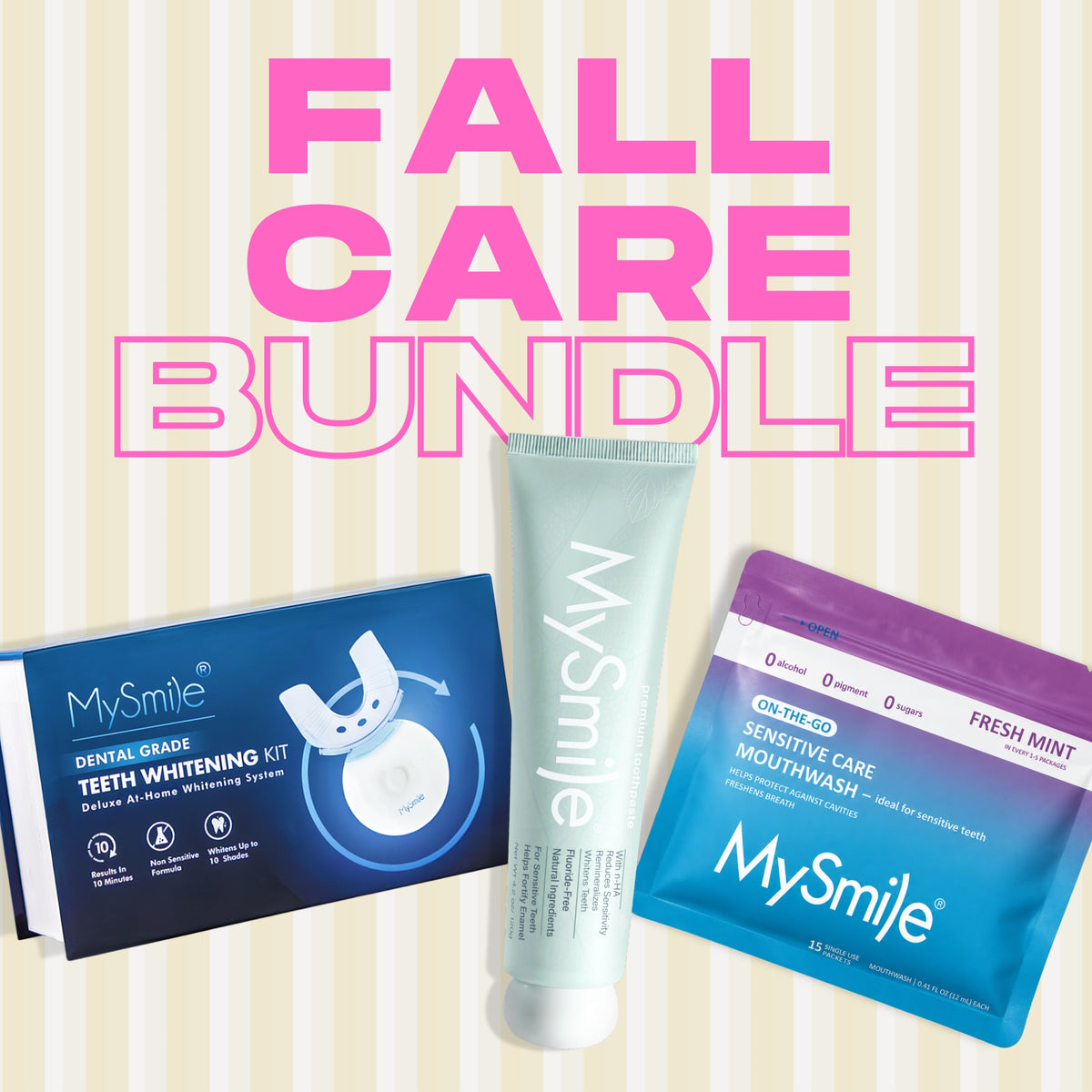
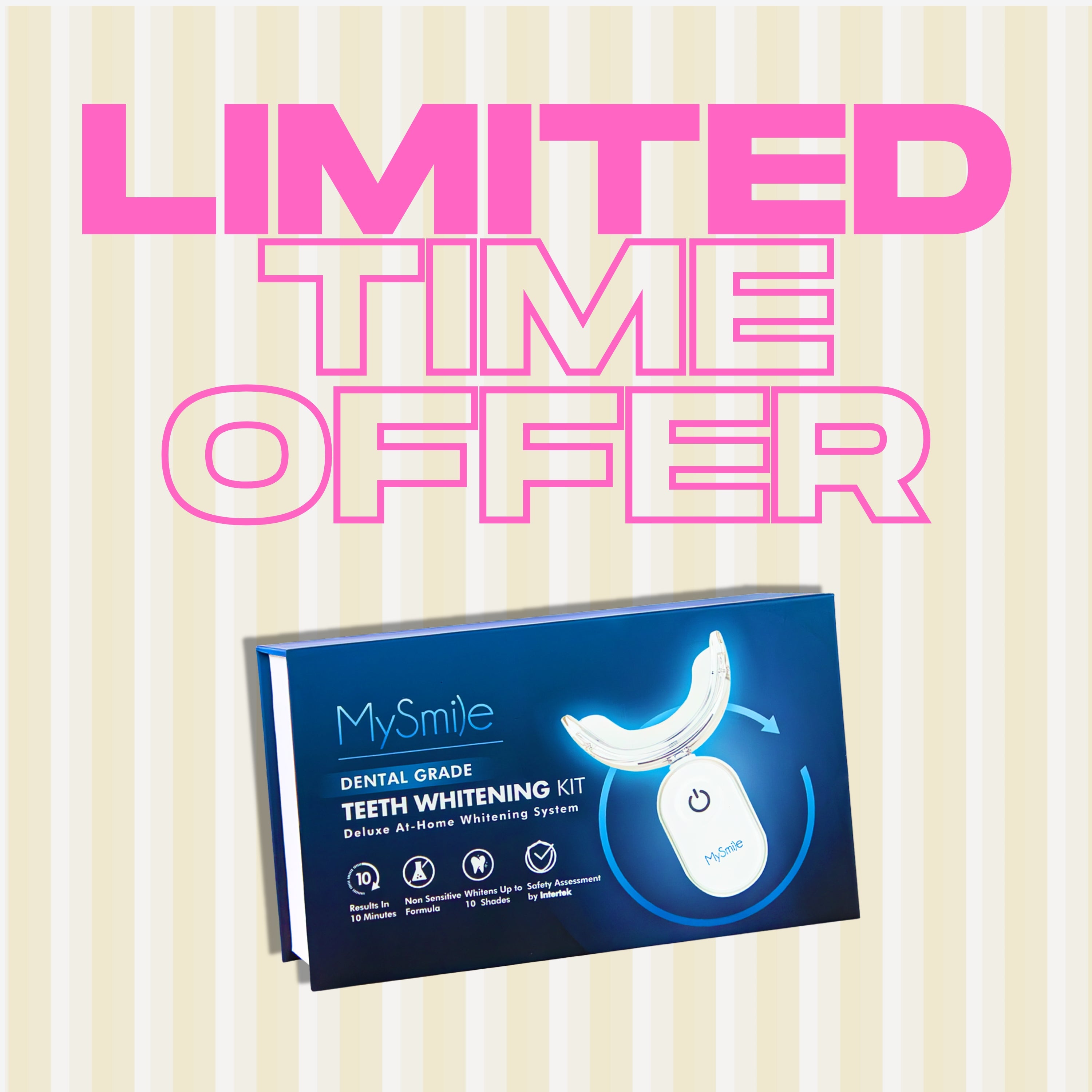
For a Complete At-Home Routine: MySmile Original 5X Teeth Whitening Kit
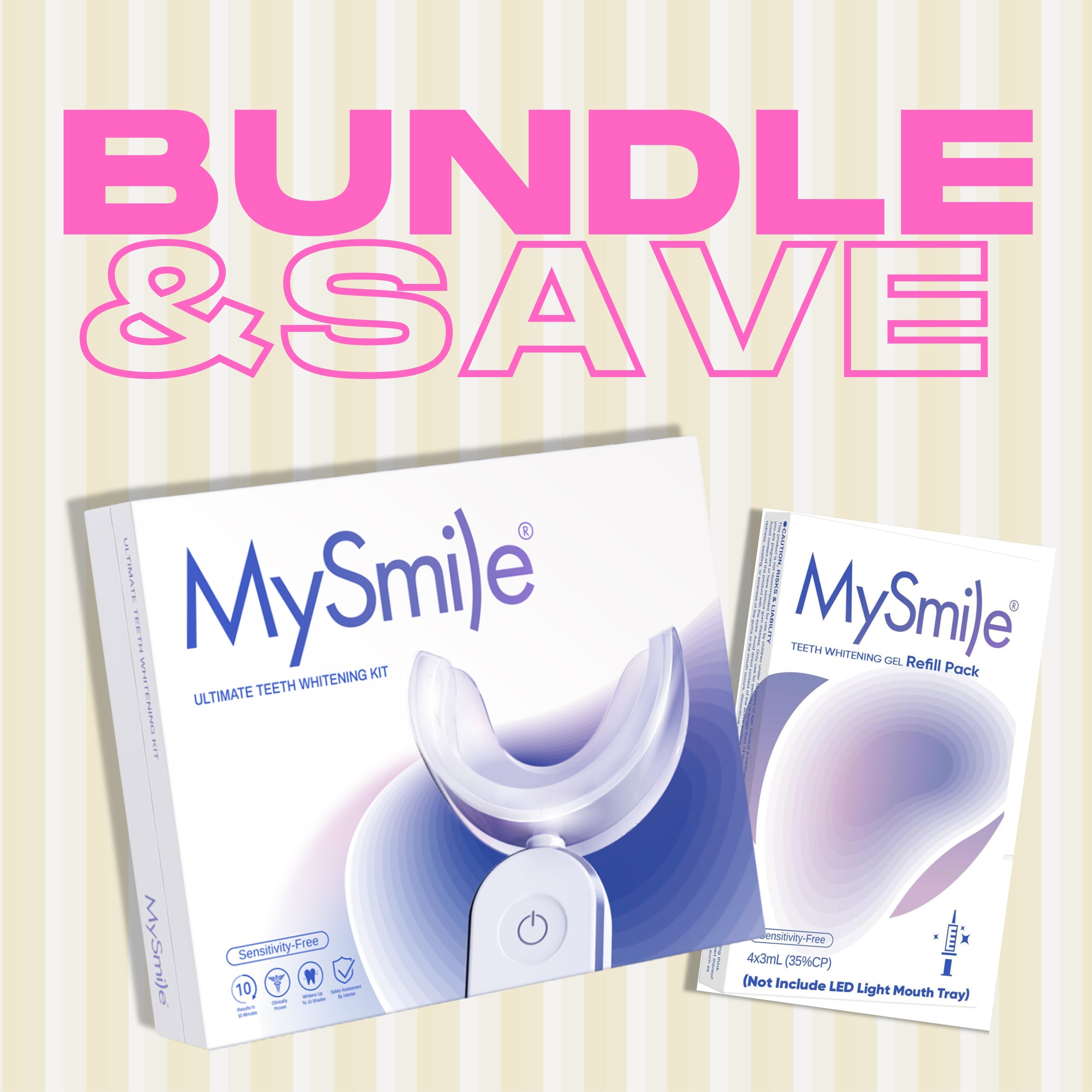
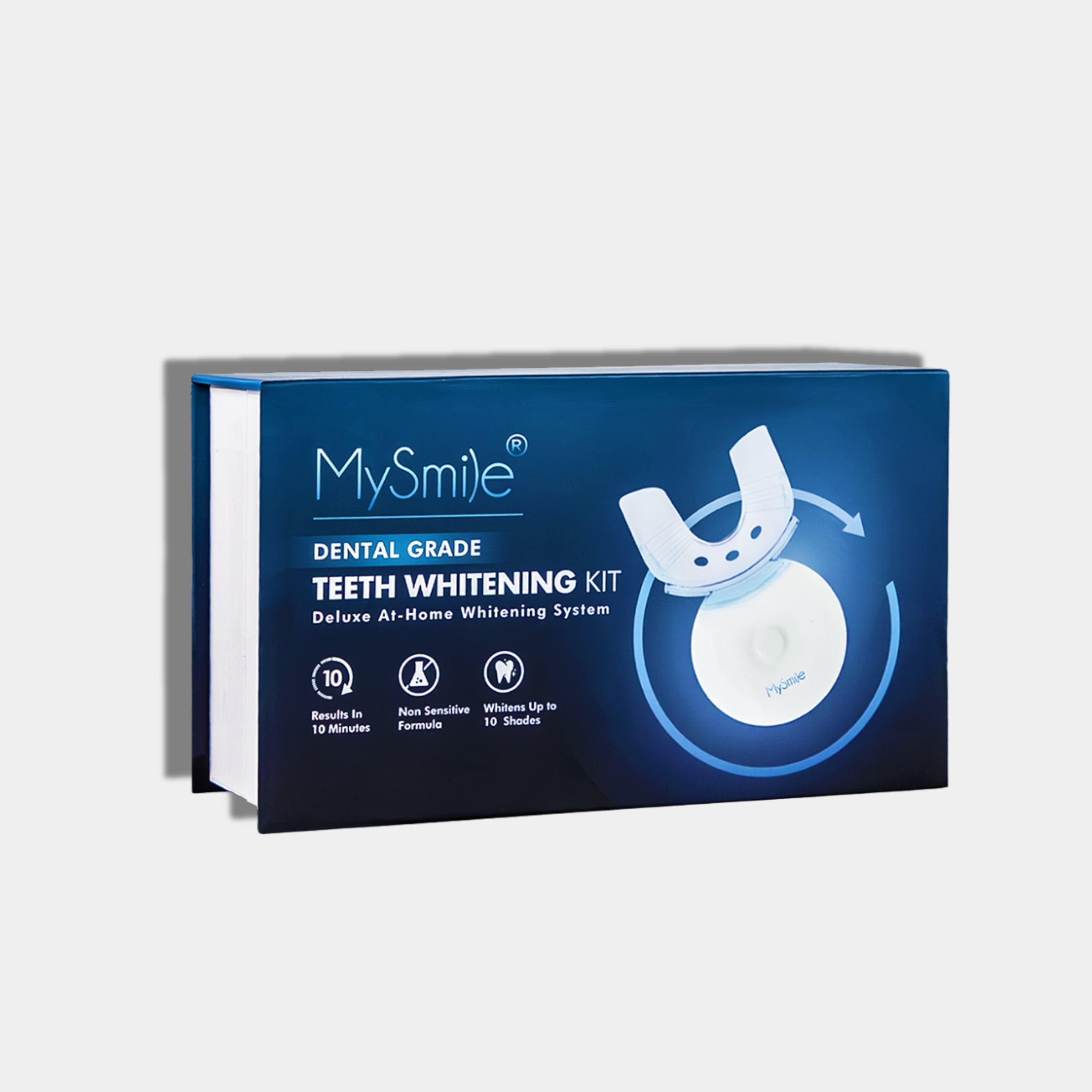
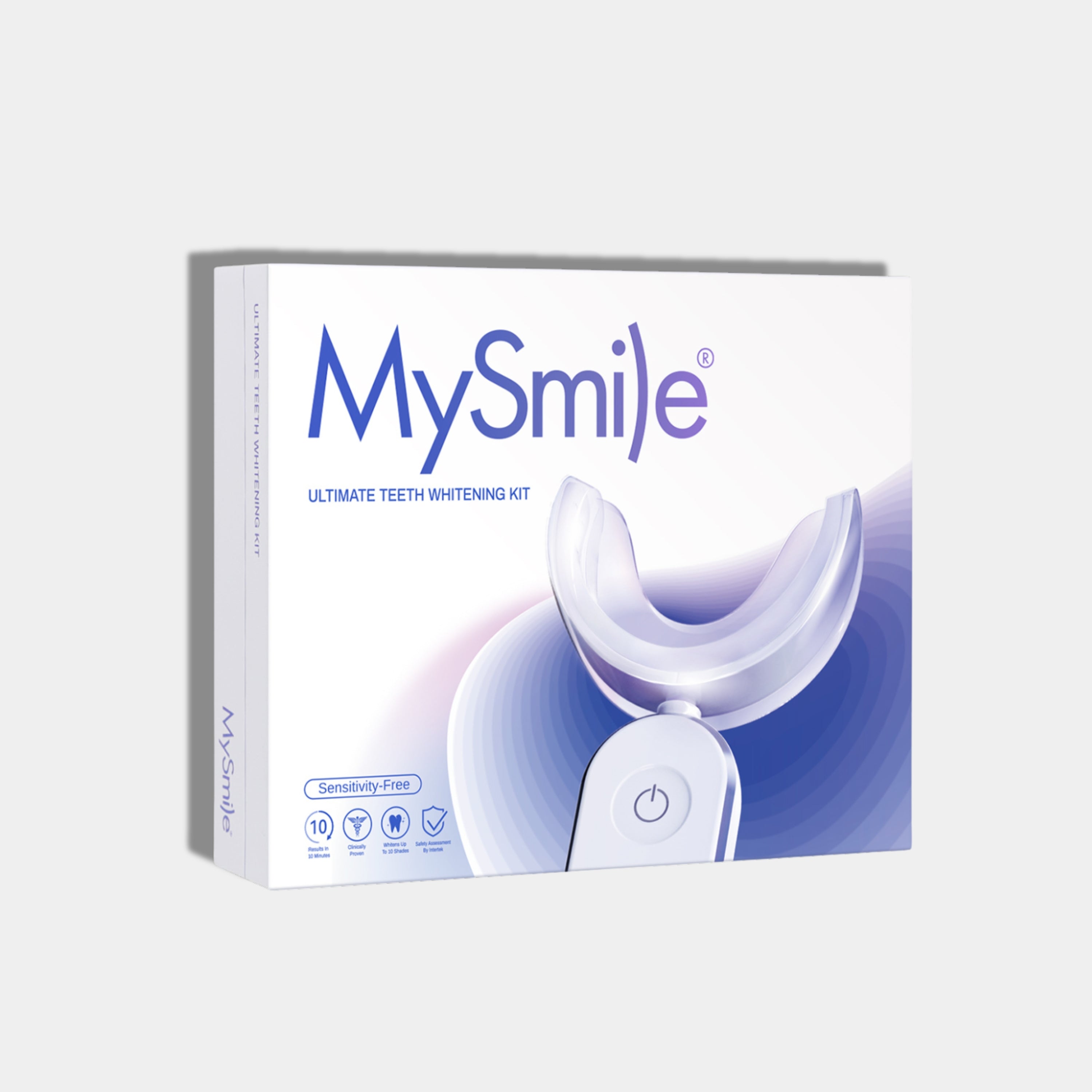
The MySmile Original 5X Teeth Whitening Kit with LED Light combines carbamide peroxide whitening gel with a 5X LED accelerator light.
It is designed to address common stains caused by coffee, tea, wine, soda, food, and smoking. The complete kit is a good fit for someone who wants a structured whitening routine at home instead of experimenting with unmeasured DIY mixtures.
Follow the included directions carefully and do not exceed the recommended application time.
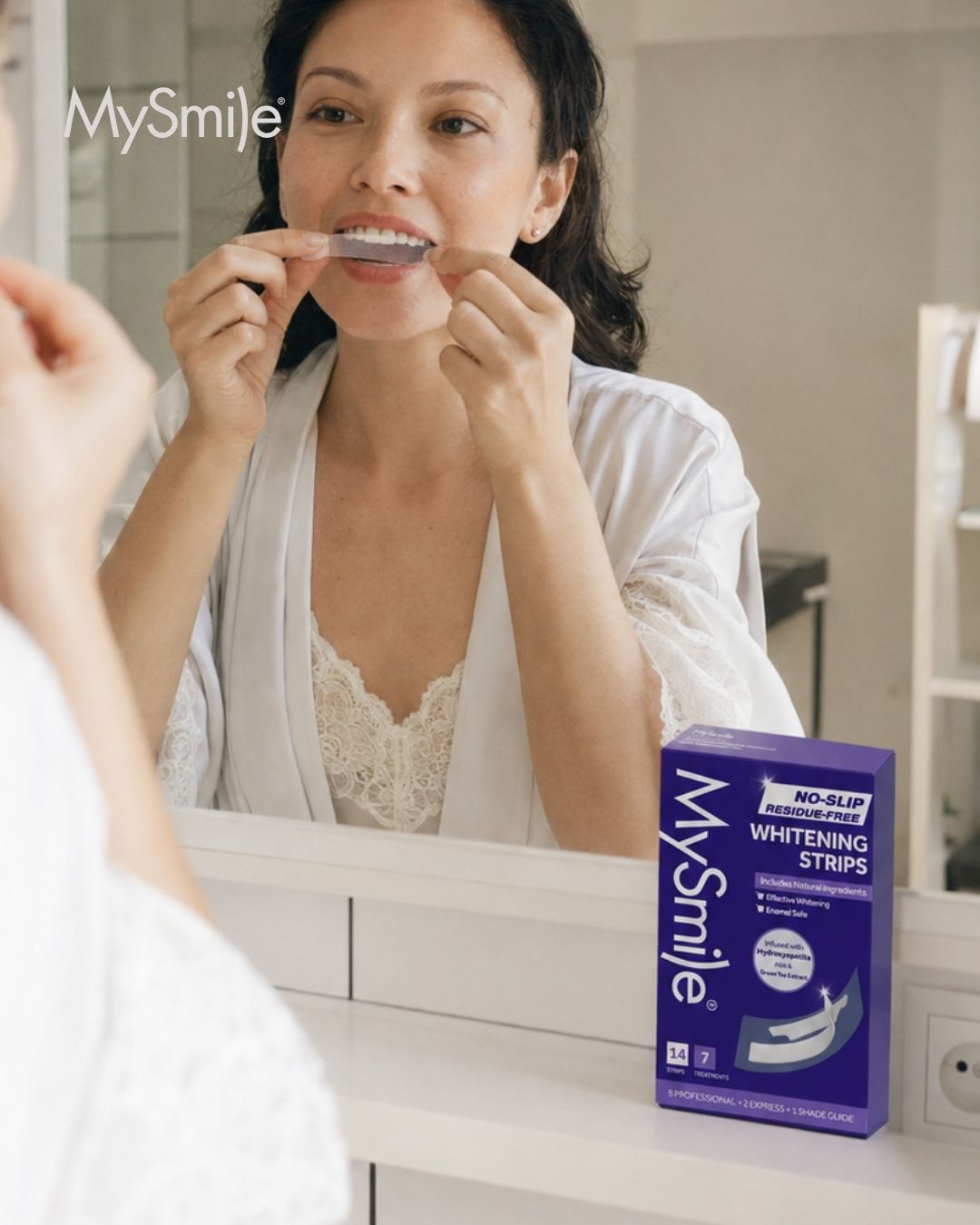
For Convenient, No-Mix Whitening: MySmile Teeth Whitening Strips
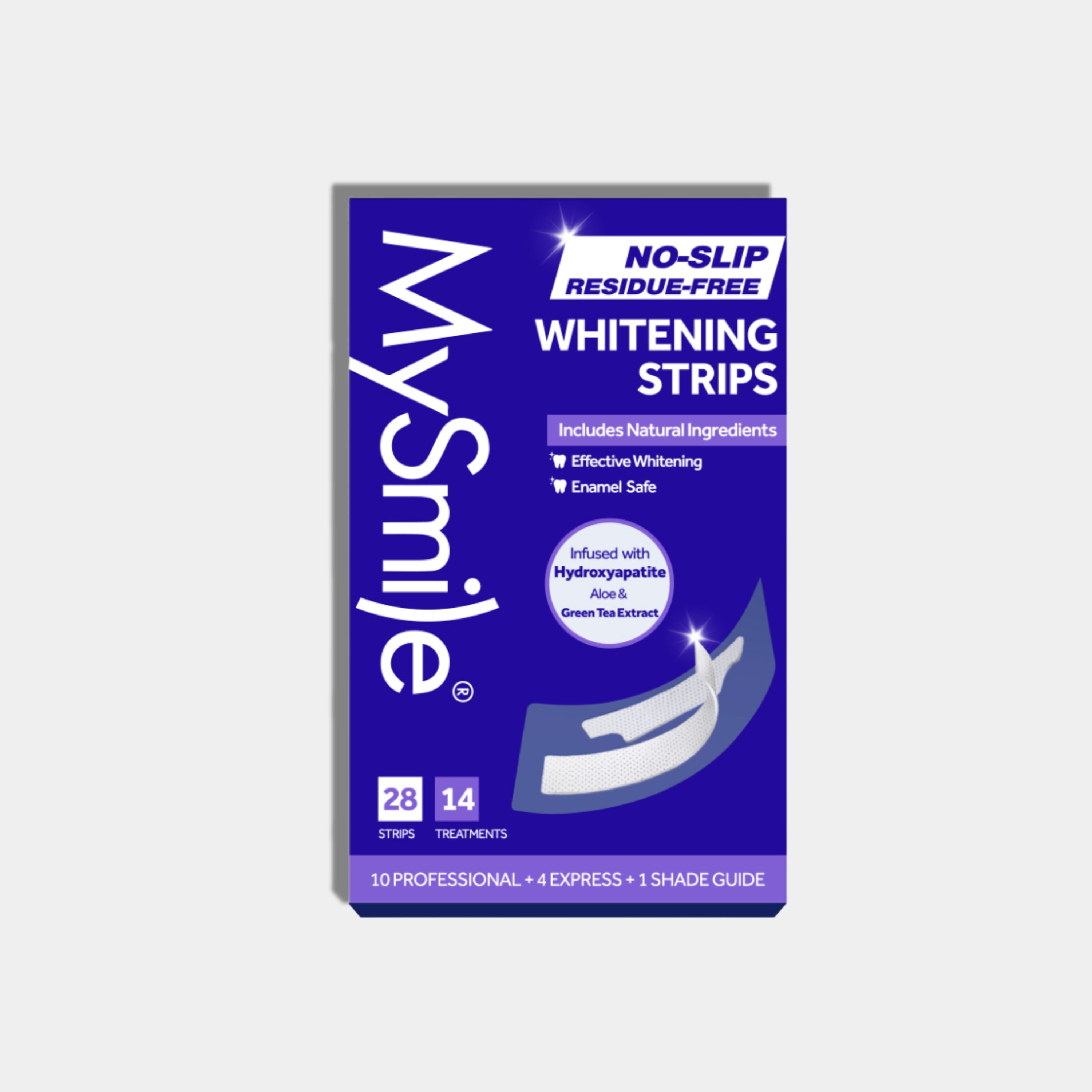
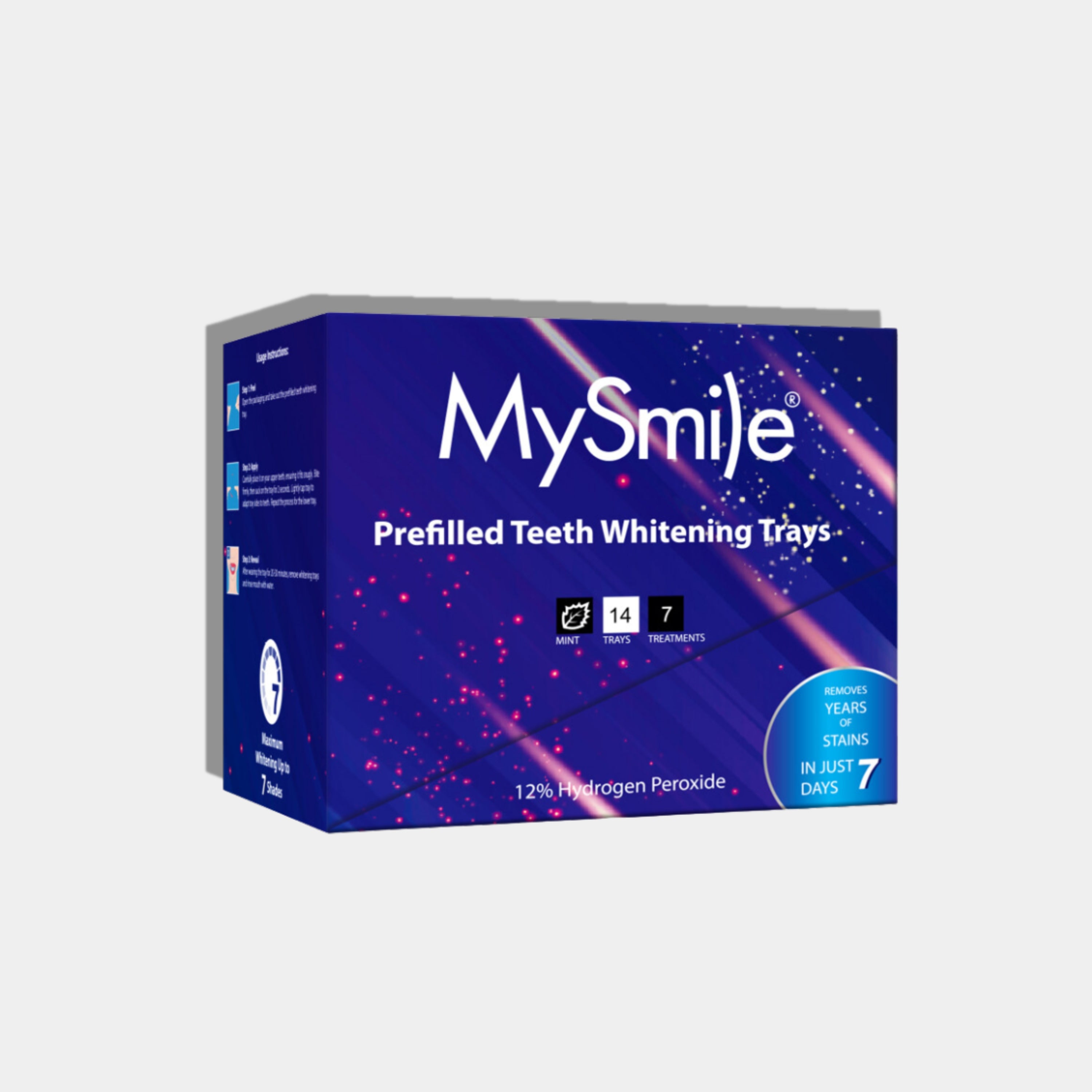
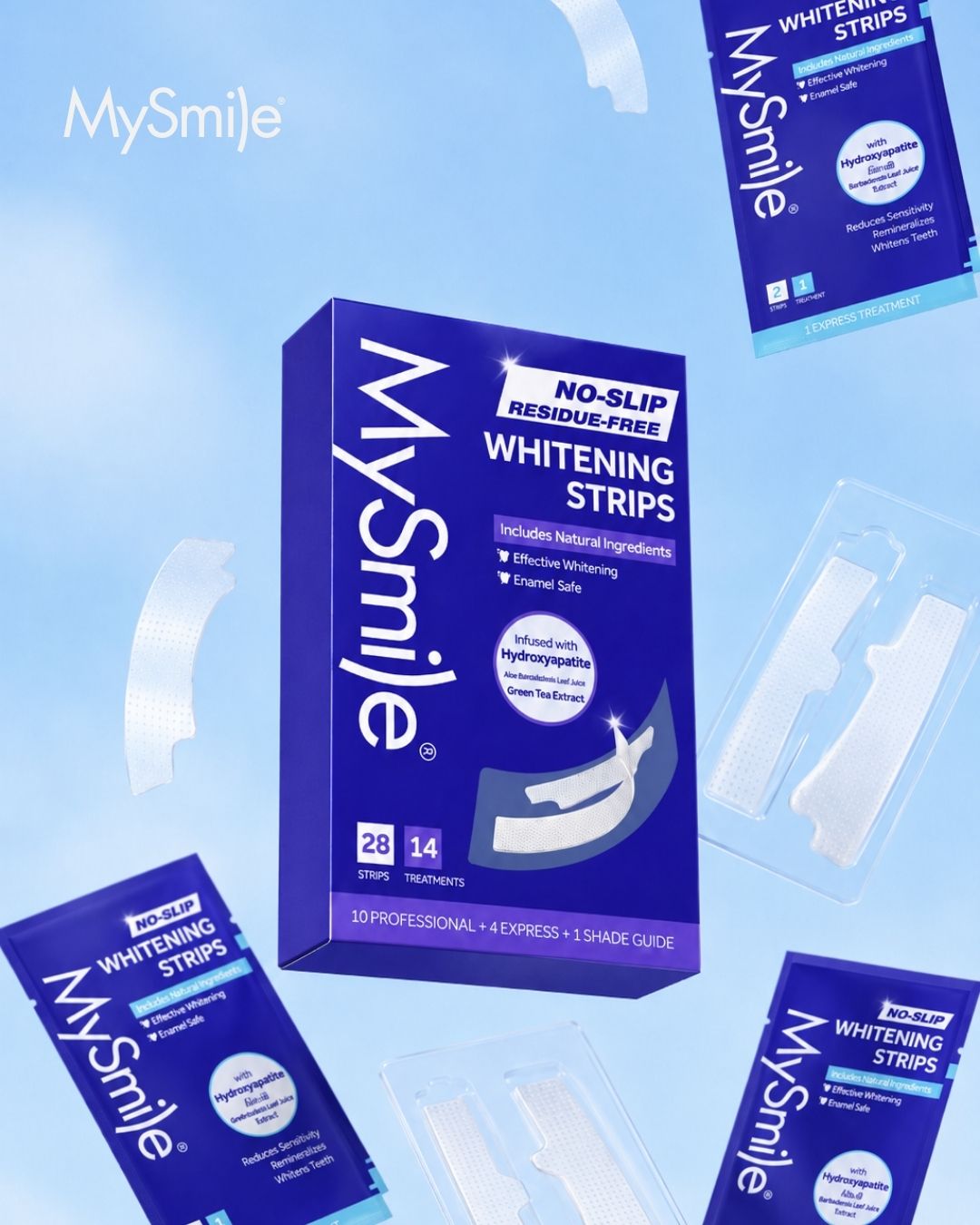
If you prefer a simple peel-and-apply option, try MySmile Teeth Whitening Strips with Natural Ingredients.
The strips use a peroxide-powered formula and contain aloe vera, green tea, and hydroxyapatite. Their non-slip design makes them convenient for whitening at home, at the office, or while traveling—without mixing ingredients or measuring gel yourself.
Apply the strips for the time shown on the packaging, then remove them and rinse as directed.
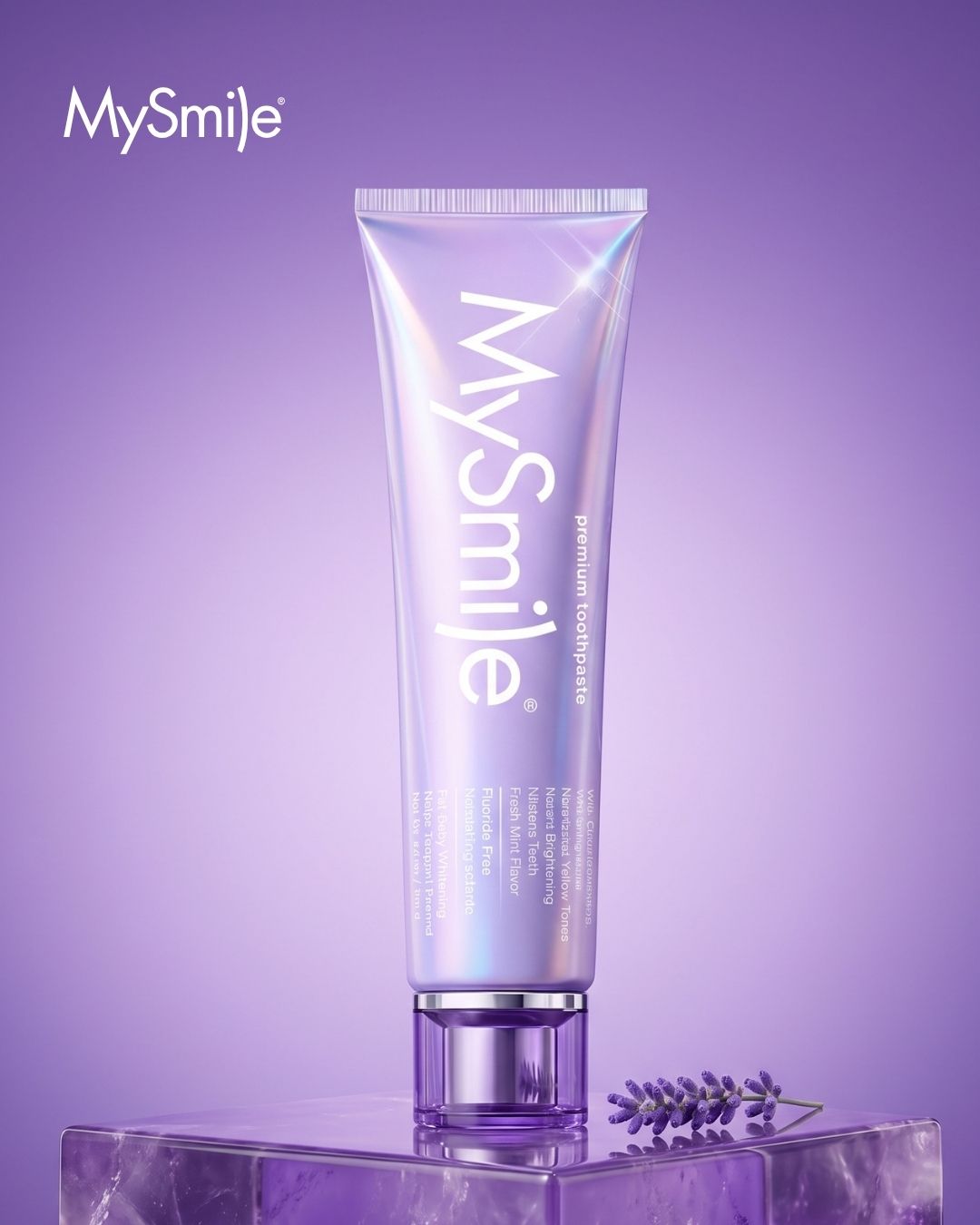
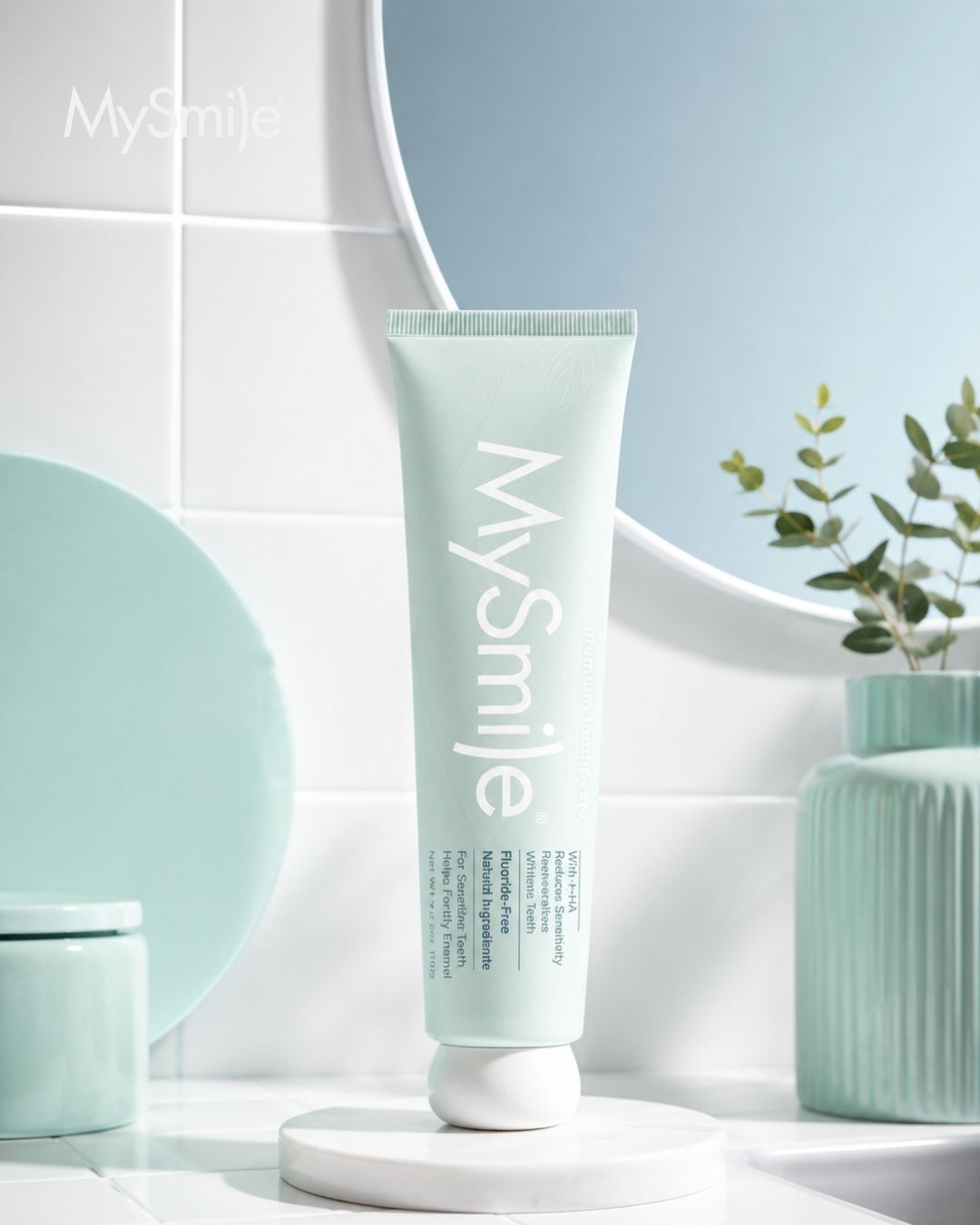
For Instant Color Correction: MySmile Purple Toothpaste
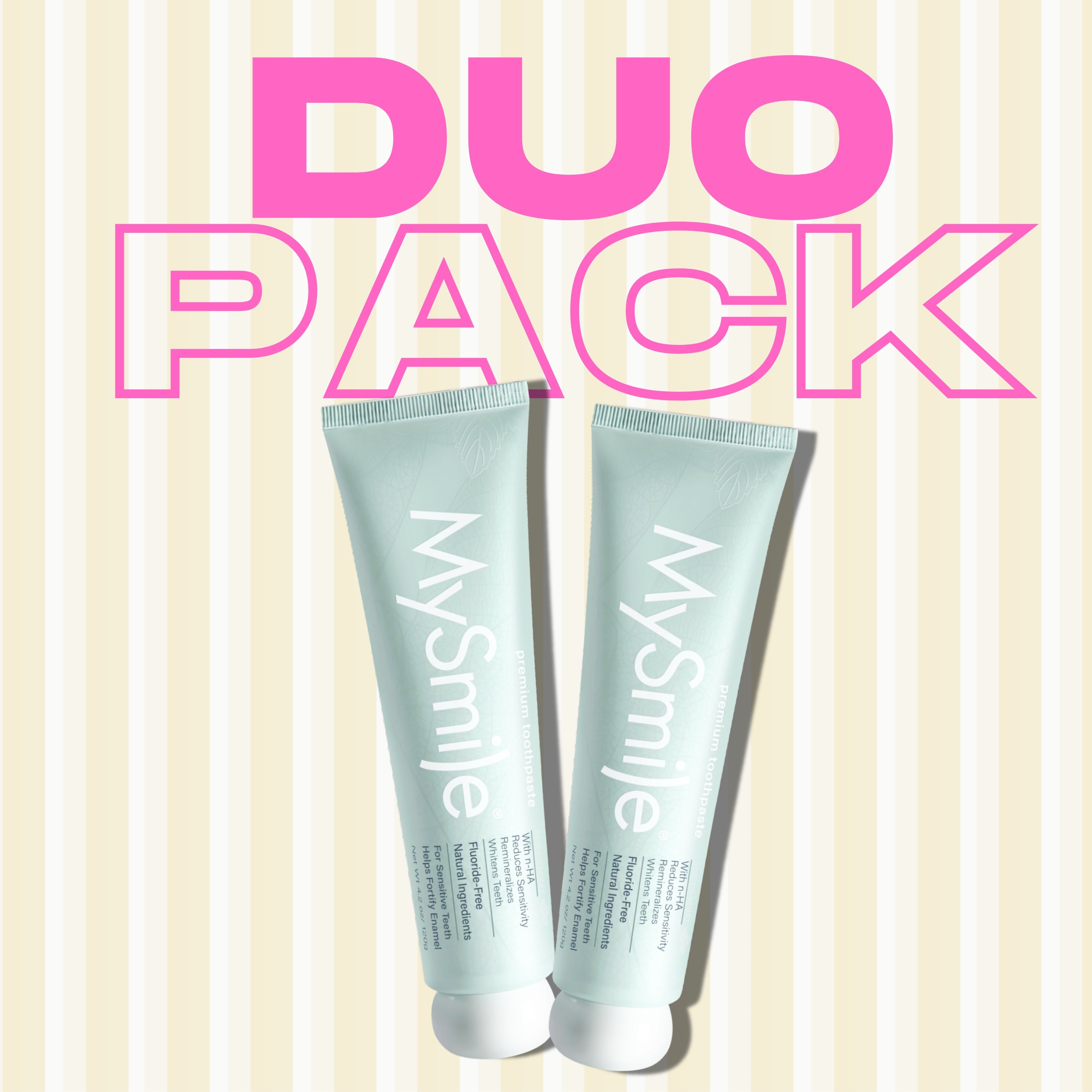
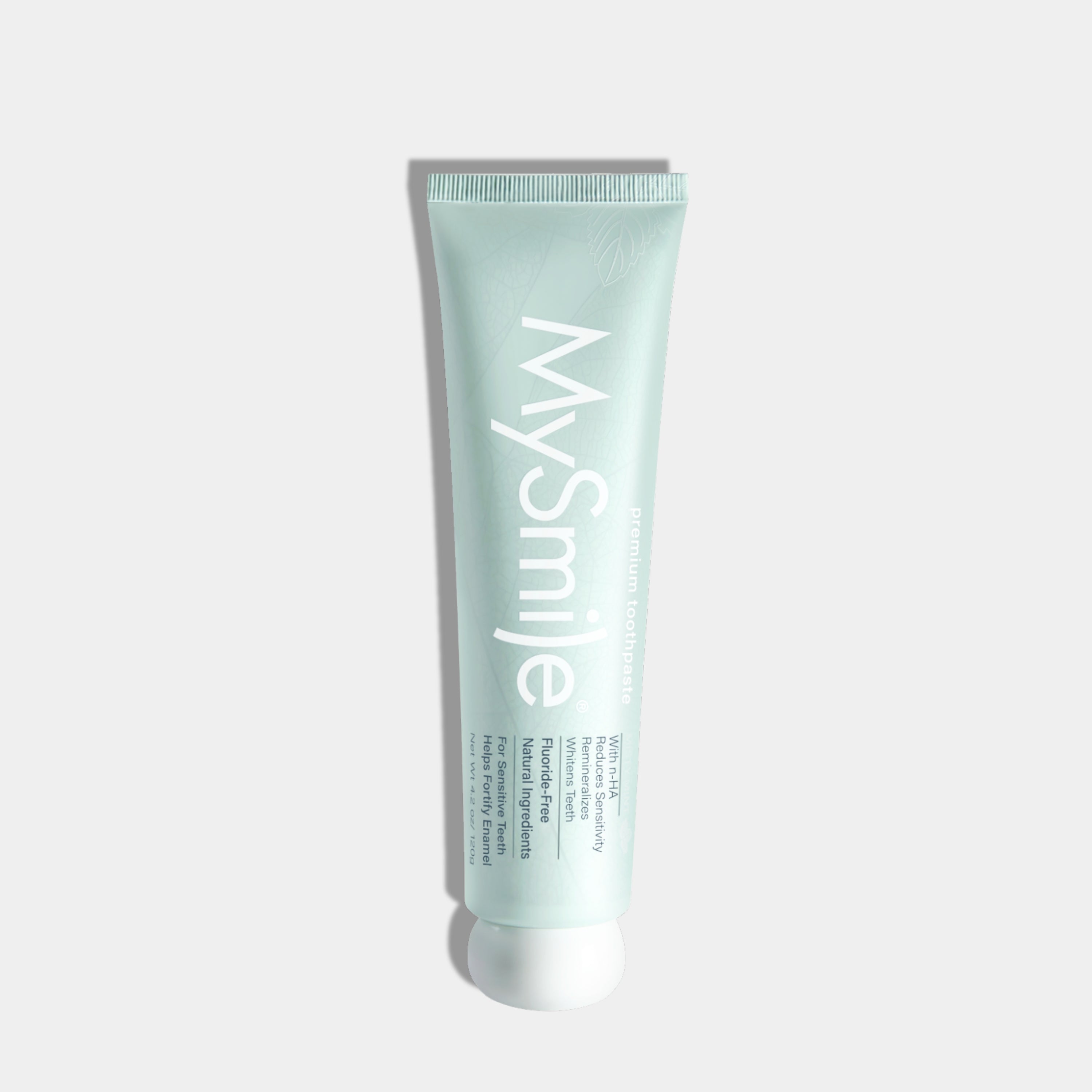
Need a quick cosmetic boost before photos, a date, or an event? MySmile Purple Color-Correcting Toothpaste uses purple pigments to help neutralize the appearance of yellow tones.
Think of it like purple shampoo, but for the appearance of your smile. It provides color correction rather than peroxide bleaching, making it a different type of solution from whitening strips or an LED kit.
Use a pea-sized amount and brush according to the product directions.
How to Approach At-Home Whitening More Carefully
Whichever whitening option you choose, a few simple habits can help create a better experience:
- Read the full label. Do not rely on instructions from an influencer or recreate a routine based on a short video.
- Do not increase the treatment time. Leaving a product on longer does not automatically produce better results.
- Avoid stacking several whitening treatments at once. More is not always better.
- Stop if you experience significant discomfort. Persistent sensitivity or gum irritation deserves attention.
- Remember that dental restorations whiten differently. Crowns, veneers, fillings, and implants generally do not change color like natural teeth.
- Talk to a dental professional when needed. This is especially important if you have pain, cavities, gum concerns, significant sensitivity, unexplained discoloration, or existing dental work.
The Bottom Line: Your Smile Is Not a DIY Experiment
Social media is great for discovering makeup techniques, hairstyles, and creative routines. It is less reliable for deciding which household substances should go on your teeth.
Banana peels are not proven whiteners. Acidic fruit mixtures can be harsh. Charcoal has limited evidence. Household peroxide does not come with the controls of a formulated whitening system—and bleach should never go anywhere near your mouth.
A brighter smile does not have to involve an expensive appointment or a viral kitchen experiment. It starts with choosing the right type of product, following the instructions, and keeping realistic expectations.
Ready to skip the DIY mixtures? Explore the MySmile Original 5X Whitening Kit, MySmile Whitening Strips, and MySmile Purple Color-Correcting Toothpaste to find the option that works best for your routine.
Results vary depending on individual dental conditions, habits, stains, and product use. Always follow product directions. This article is for educational purposes and is not a substitute for advice from a licensed dental professional.