

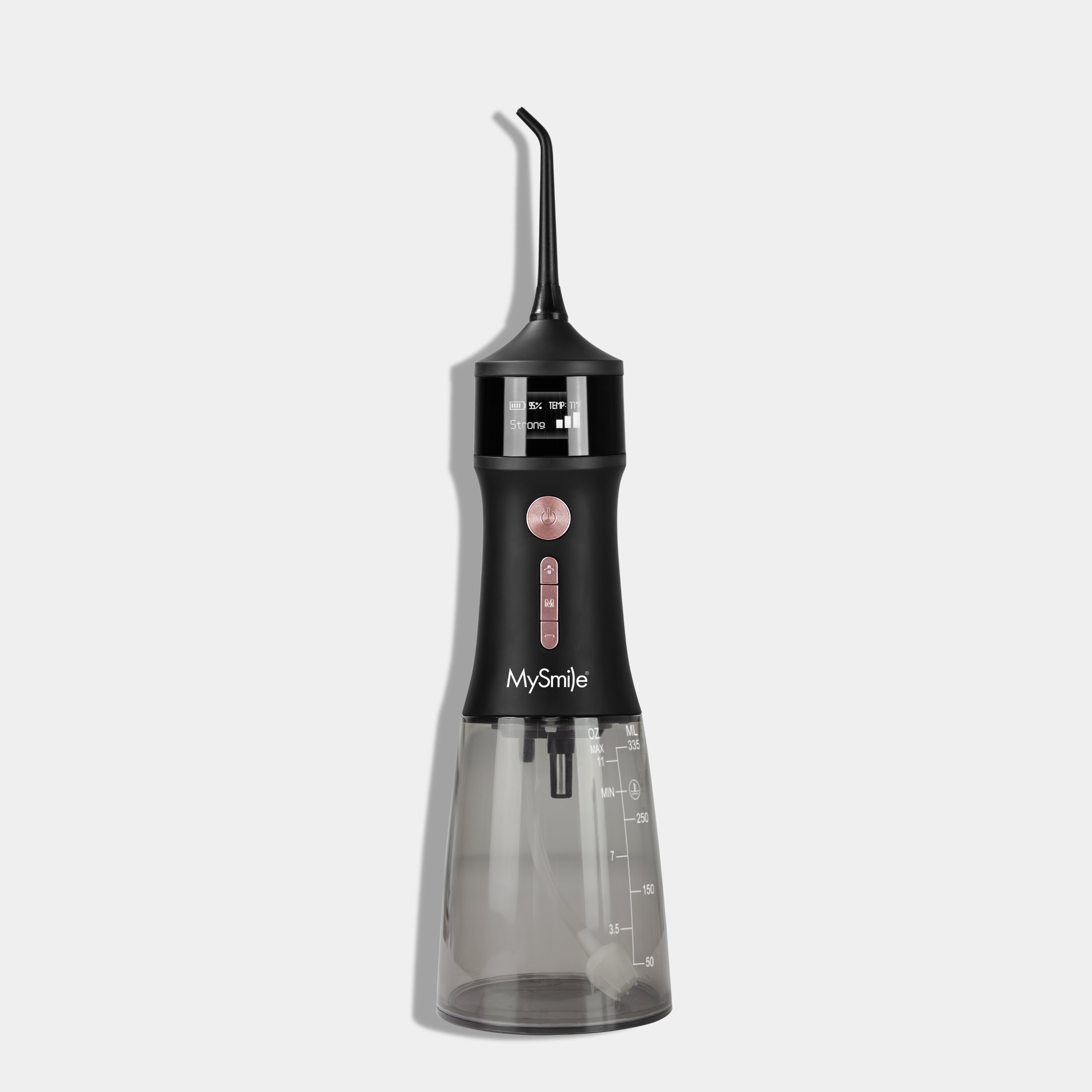

Water flossers are becoming a must-have in modern oral care routines. They’re gentle on gums, effective at removing debris, and easy to use. But many people ask an important question:
Can you use regular mouthwash in a water flosser instead of water?
This article explains what’s safe, what’s not, and what dentists actually recommend—so you don’t harm your gums or your device.
Regular mouthwash should not be used in a water flosser.
Most mouthwashes—especially alcohol-based ones—can irritate gums and damage water flosser components. Dentists recommend using plain water for daily water flossing and using mouthwash separately as a rinse.
Why People Want to Use Mouthwash in a Water Flosser
The idea makes sense. Mouthwash is associated with:
-
Fresher breath
-
Bacteria reduction
-
Healthier gums
-
A deeper clean
So combining mouthwash with a water flosser feels like a “next-level” oral care upgrade. However, stronger does not always mean better—especially when it comes to your gums.
Can You Put Regular Mouthwash in a Water Flosser?
❌ Alcohol-Based Mouthwash: Not Safe
Most traditional mouthwashes contain 20–27% alcohol. When used in a water flosser, alcohol can:
-
Dry out and irritate gum tissue
-
Increase tooth sensitivity
-
Disrupt the oral microbiome
-
Damage internal tubing, seals, and pumps
Alcohol mouthwash is designed for short rinsing—not for pressurized delivery deep along the gumline.
Verdict: Do not use alcohol-based mouthwash in a water flosser.
⚠️ Medicinal or Antibacterial Mouthwash: Use Only If Directed
Some mouthwashes contain strong antibacterial agents like chlorhexidine or CPC. These are often prescribed for short-term use and may:
-
Cause tooth staining
-
Alter taste perception
-
Kill beneficial oral bacteria if overused
Using them in a water flosser without professional guidance is not recommended.
✅ Alcohol-Free Mouthwash: Sometimes, With Caution
Certain alcohol-free, low-foaming mouthwashes may be used:
-
Only occasionally
-
Diluted with water (for example, 1 part mouthwash to 3 parts water)
-
Followed by a full device rinse
Even then, most water flosser manufacturers still recommend plain water for daily use.
What Dentists Recommend Instead
Dental professionals generally agree on this routine:
-
Brush your teeth thoroughly
-
Use a water flosser with plain water
-
Rinse with a gentle mouthwash afterward
This method protects your gums, enamel, and water flosser—while still delivering freshness and cleanliness.
Why Ingredient Choice Matters in Oral Care
Many traditional mouthwashes were formulated decades ago with a “kill everything” mindset. Today, oral health experts recognize the importance of maintaining a balanced oral microbiome.
Modern oral care focuses on:
-
Alcohol-free formulas
-
Gentle antibacterial ingredients
-
Enamel-supporting minerals
-
Daily-use safety
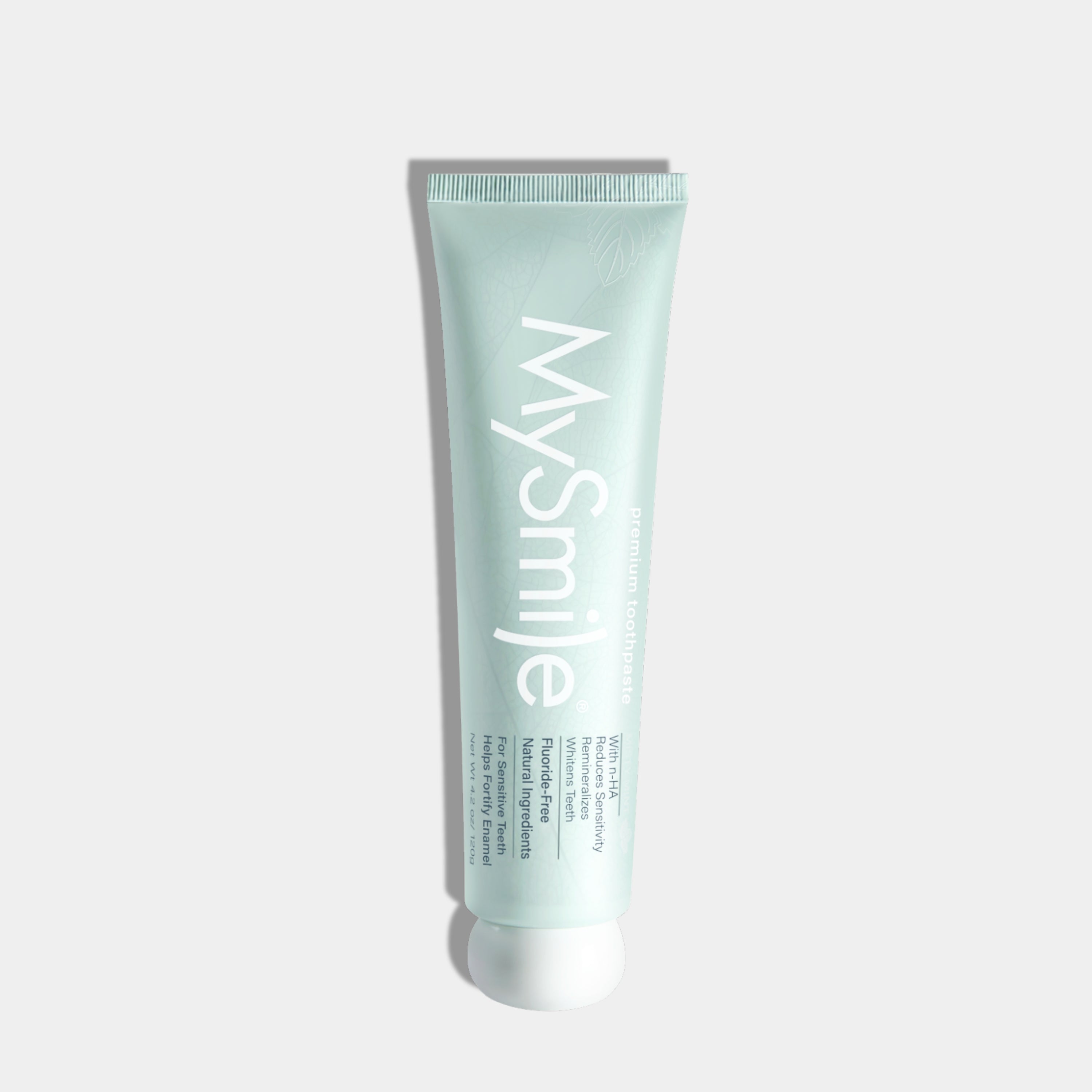
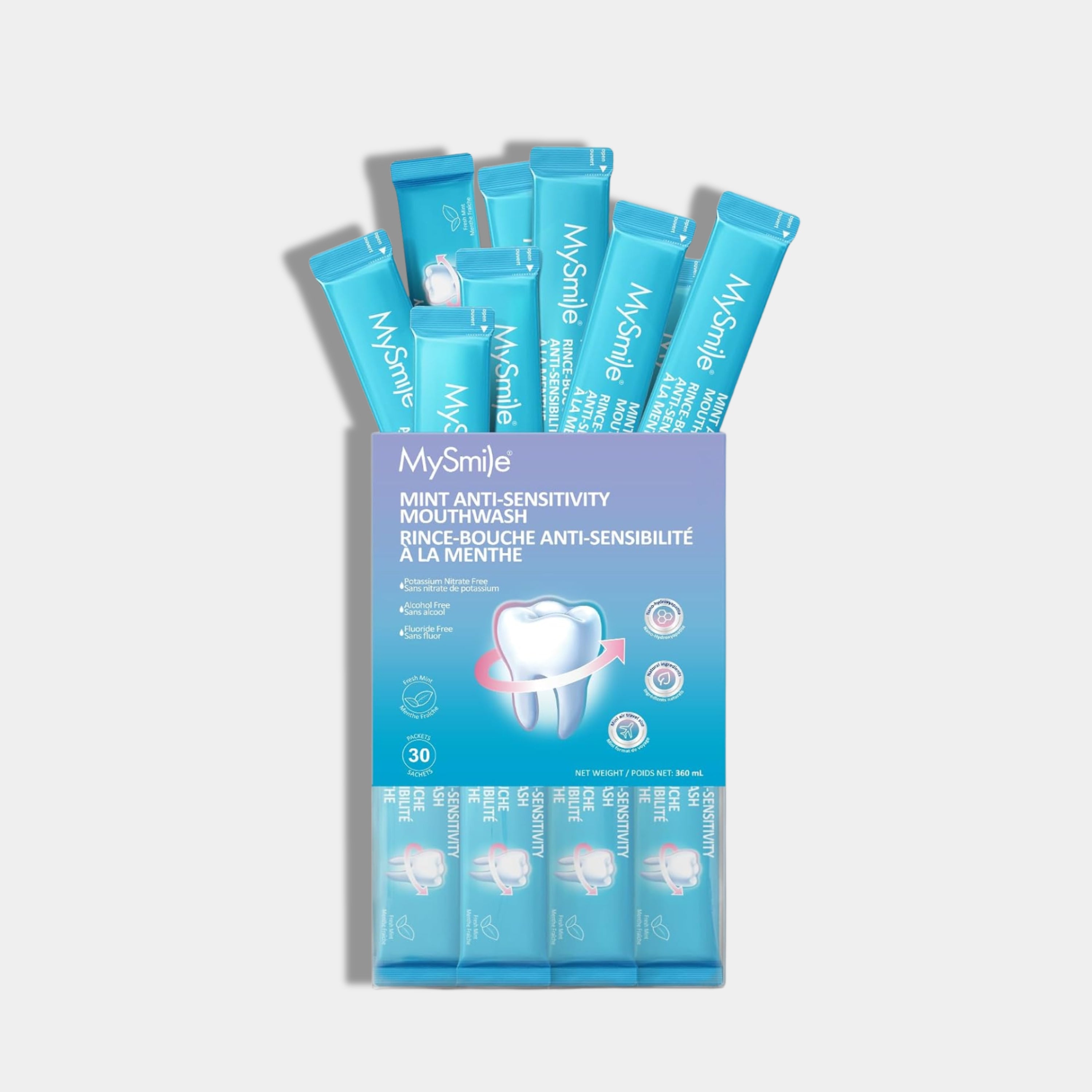
At MySmile, oral care should be effective and gentle. Clean ingredients and balanced formulations support long-term gum comfort and oral health—without the harsh side effects of traditional rinses.
Frequently Asked Questions
Can whitening mouthwash be used in a water flosser?
No. Whitening agents can be too harsh when delivered under pressure and may increase sensitivity.
Will mouthwash damage my water flosser?
Yes. Alcohol and strong chemicals can degrade internal parts over time.
What liquid should I use in a water flosser?
Plain water is the safest and most dentist-recommended option for daily use.
Final Verdict
Regular mouthwash should not be used in a water flosser.
For daily oral care, stick to water in your flosser and use mouthwash separately.
The best oral care routine is not about intensity—it’s about consistency, safety, and smart ingredient choices.

